GoE / 2025–2026
Gateway of Empire
Scroll to read · ← → to turn
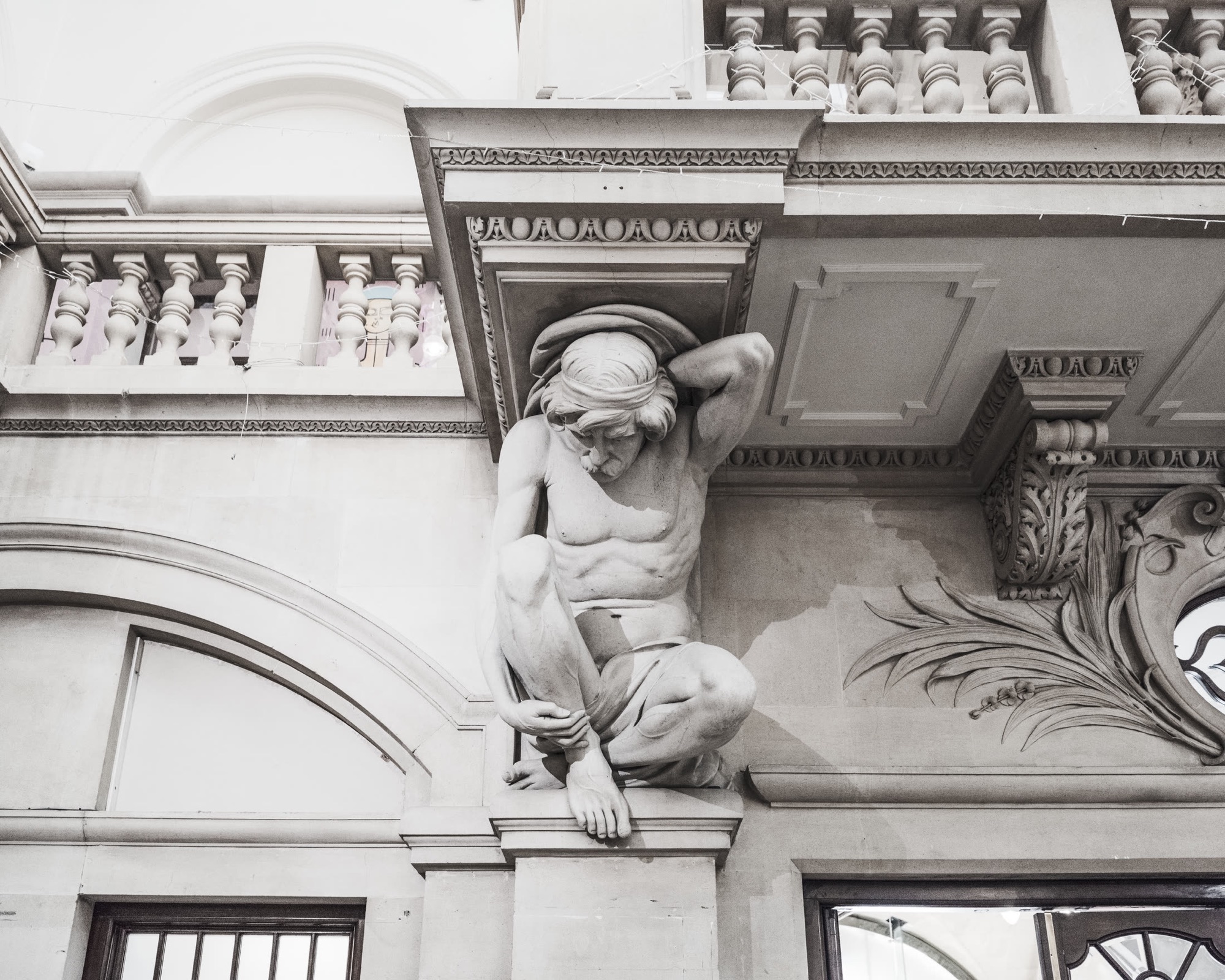
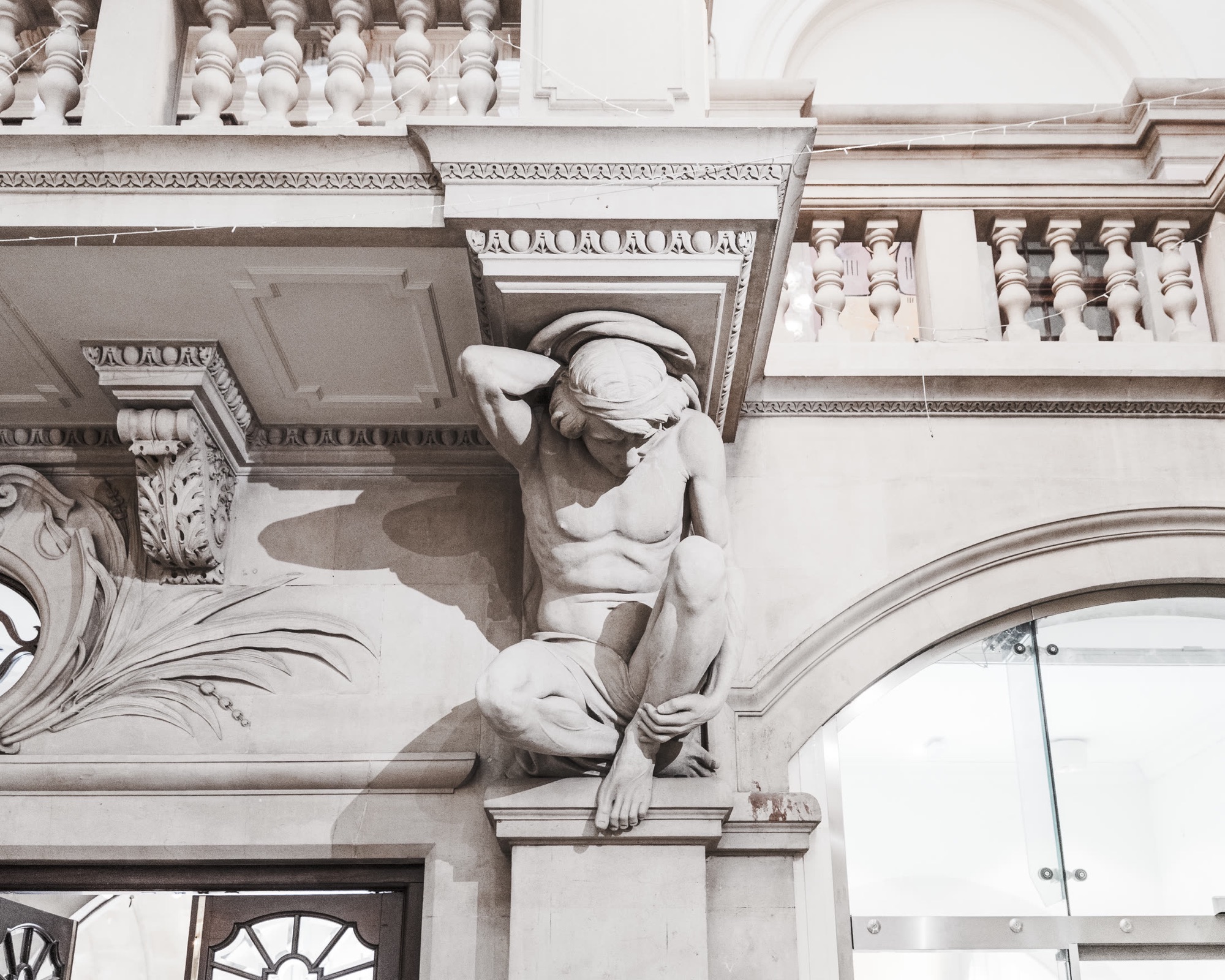
Bristol Museum & Art Gallery was built in 1905 to display the world as the British Empire understood it. The institution is now in the process of undoing that programming. Behind the public galleries, in conservation studios, geology stores, and archive basements, curators, conservators, and archivists are rewriting labels, consulting source communities, and revising the language through which the collection speaks. The work is slow, underfunded, and largely invisible to the visitor who walks through the front door.
Photography was one of the instruments of the same colonial project. It classified, it surveilled, it fixed the colonised world in place for the European viewer. Gateway of Empire asks whether this medium, so entrenched in colonial representation, can be turned back on the institution that shares its history — and whether it can document what the building is becoming in the moment between what it was built to do and what it is trying to become.
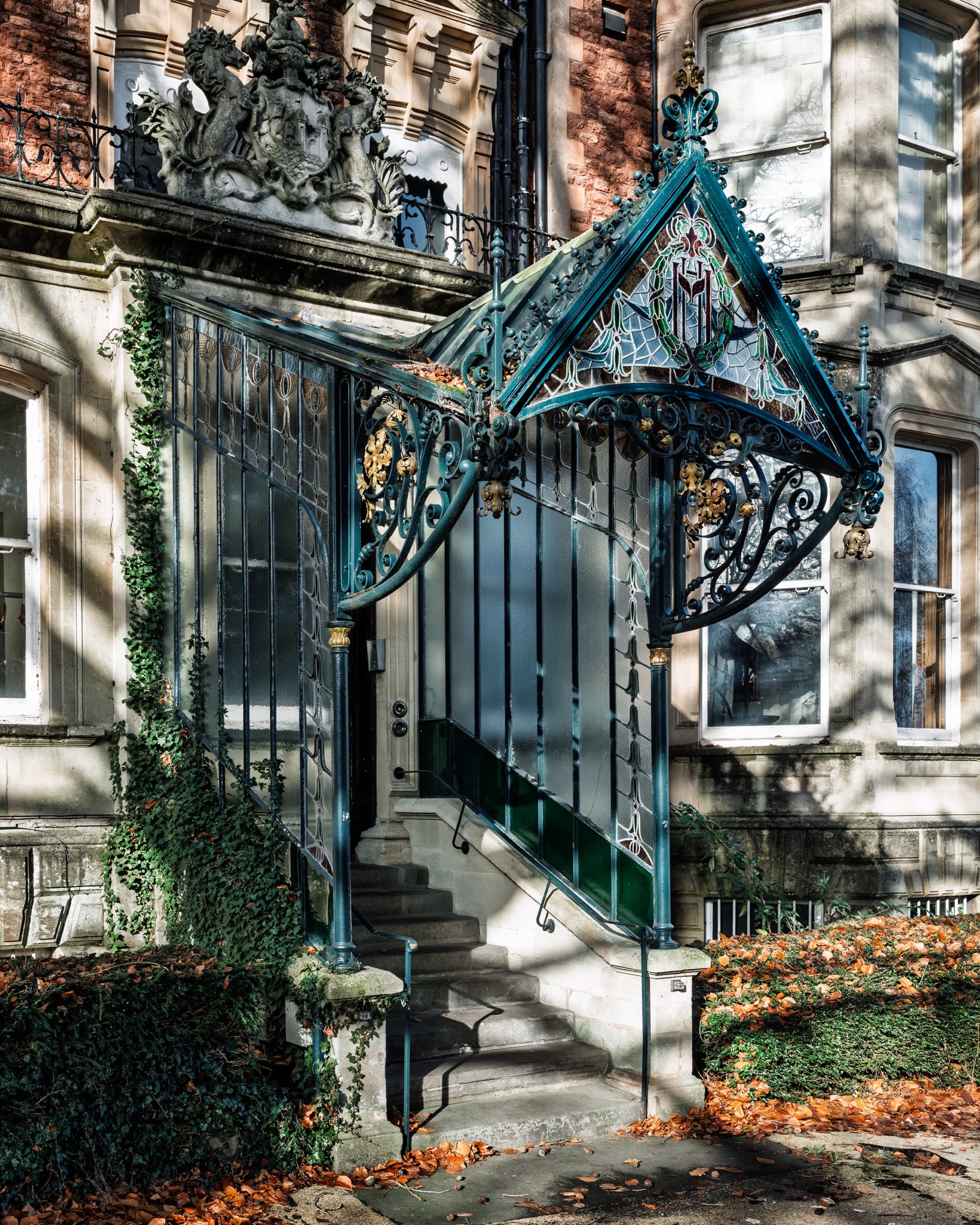
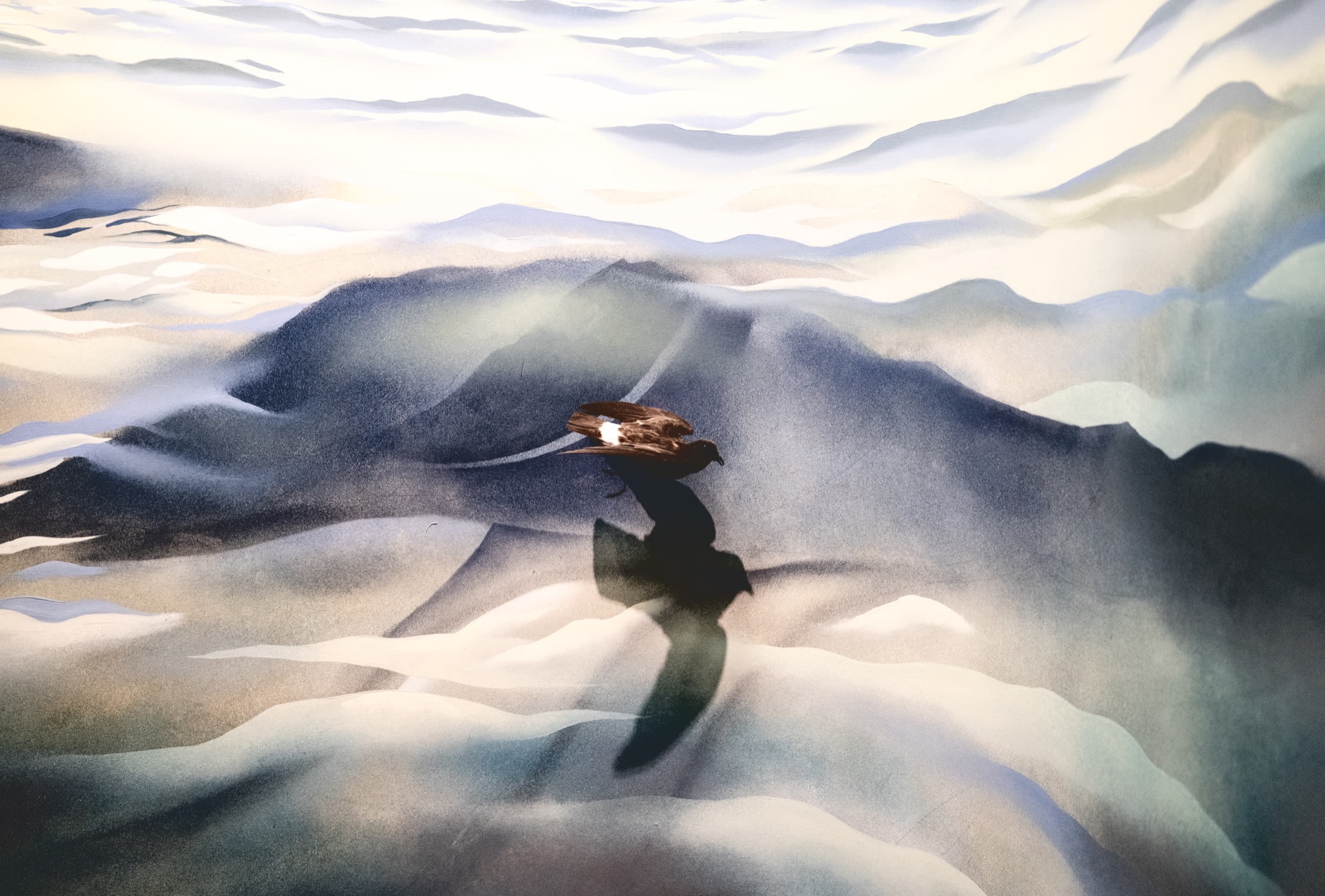
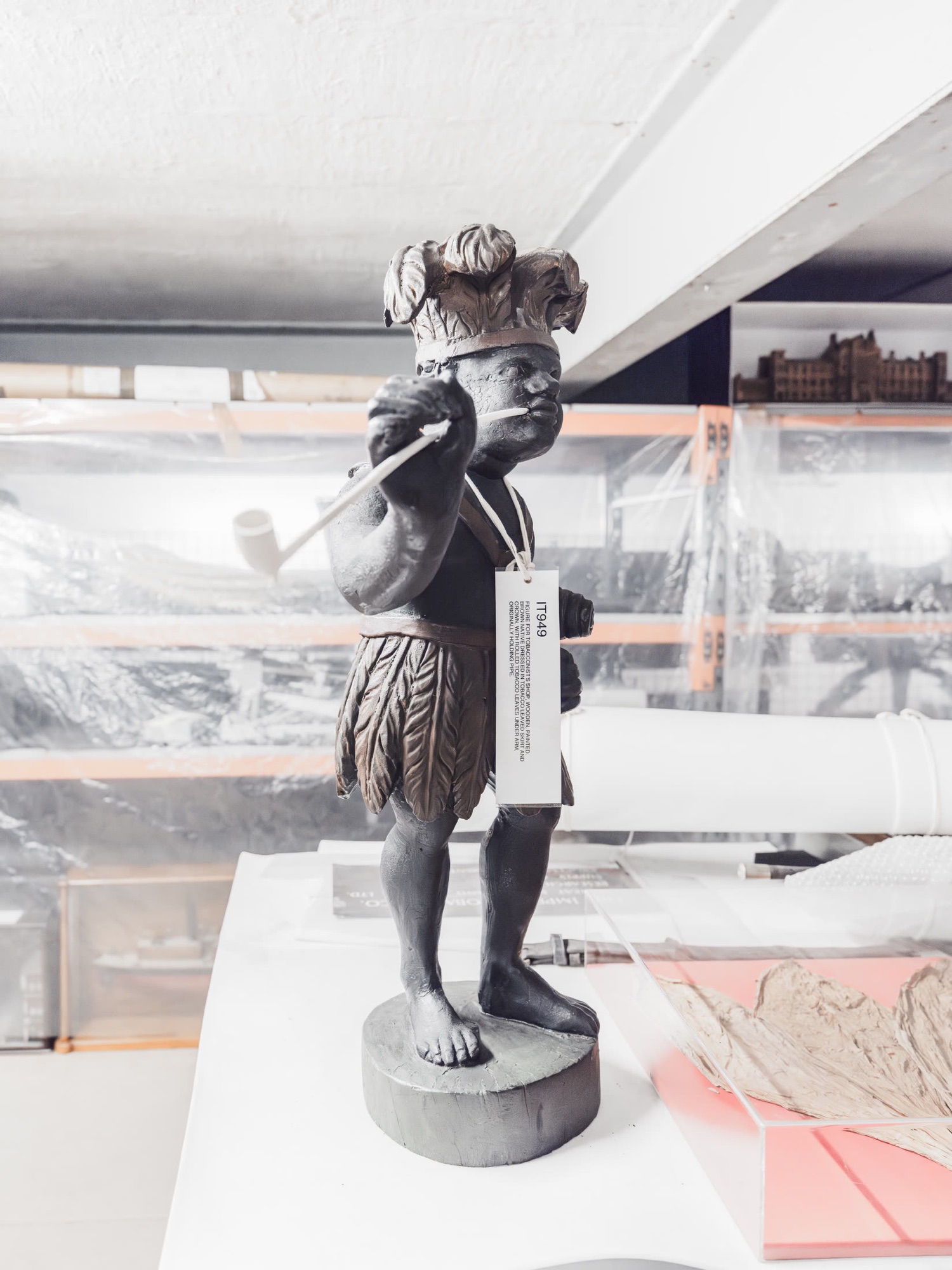
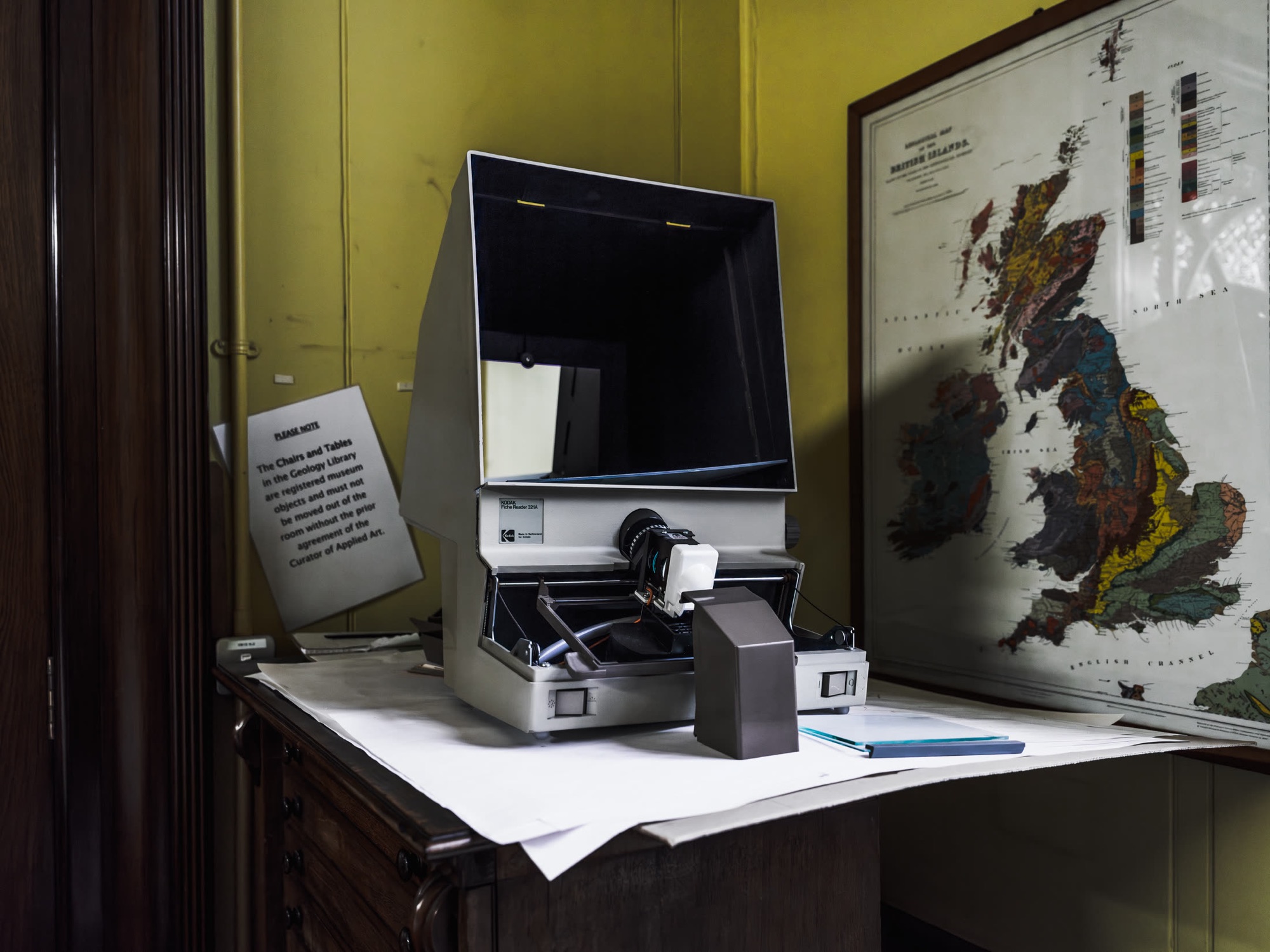
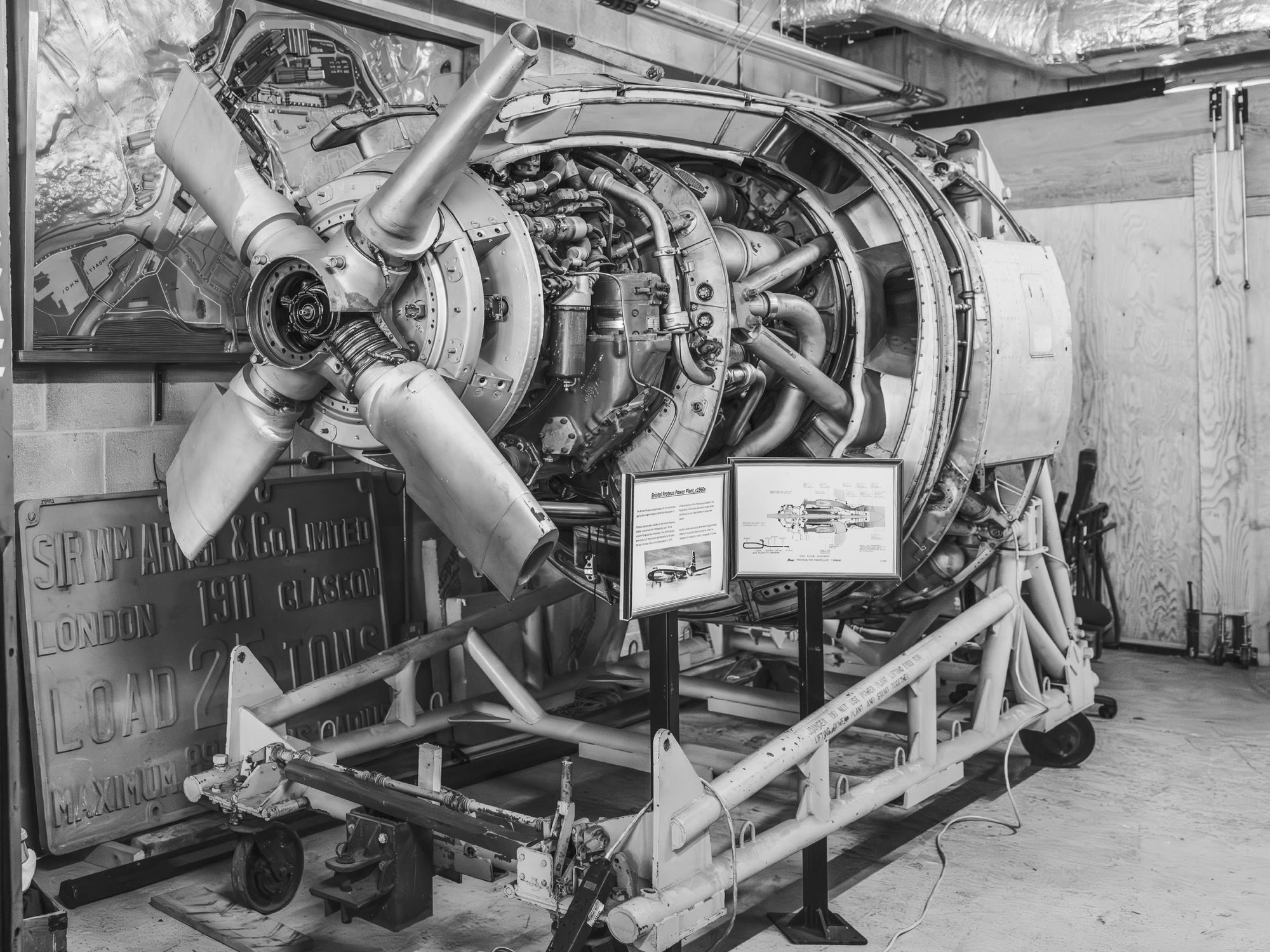
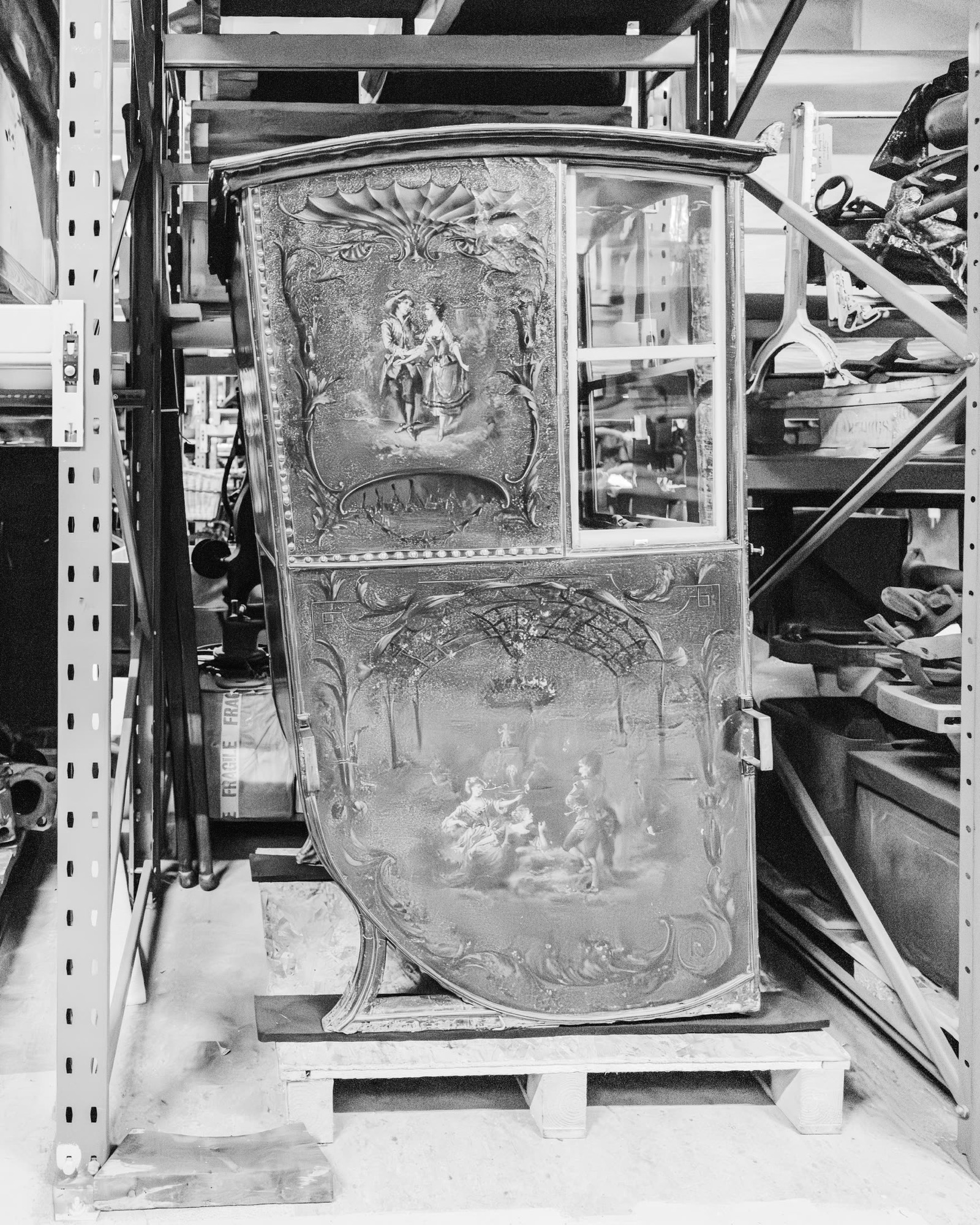
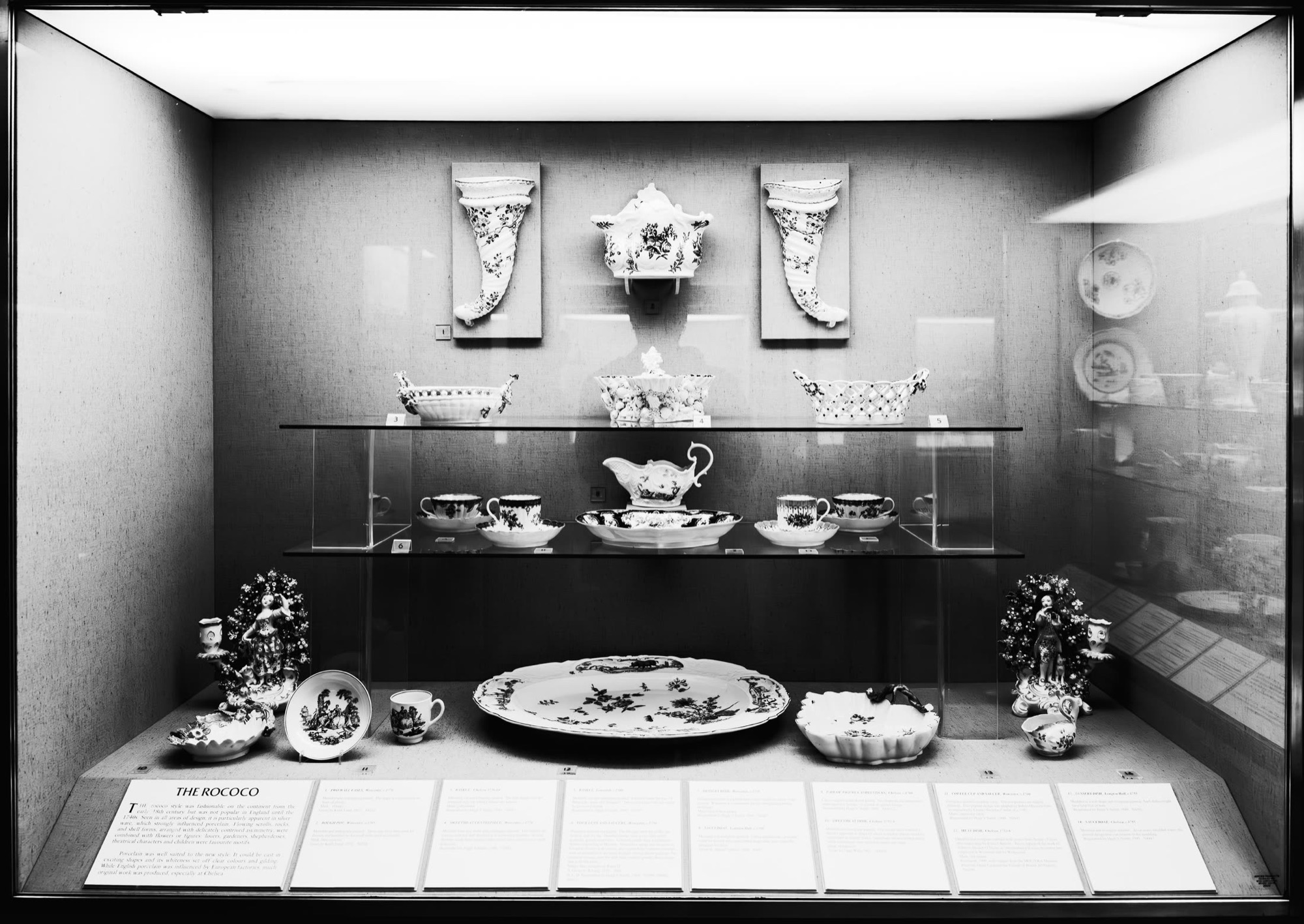
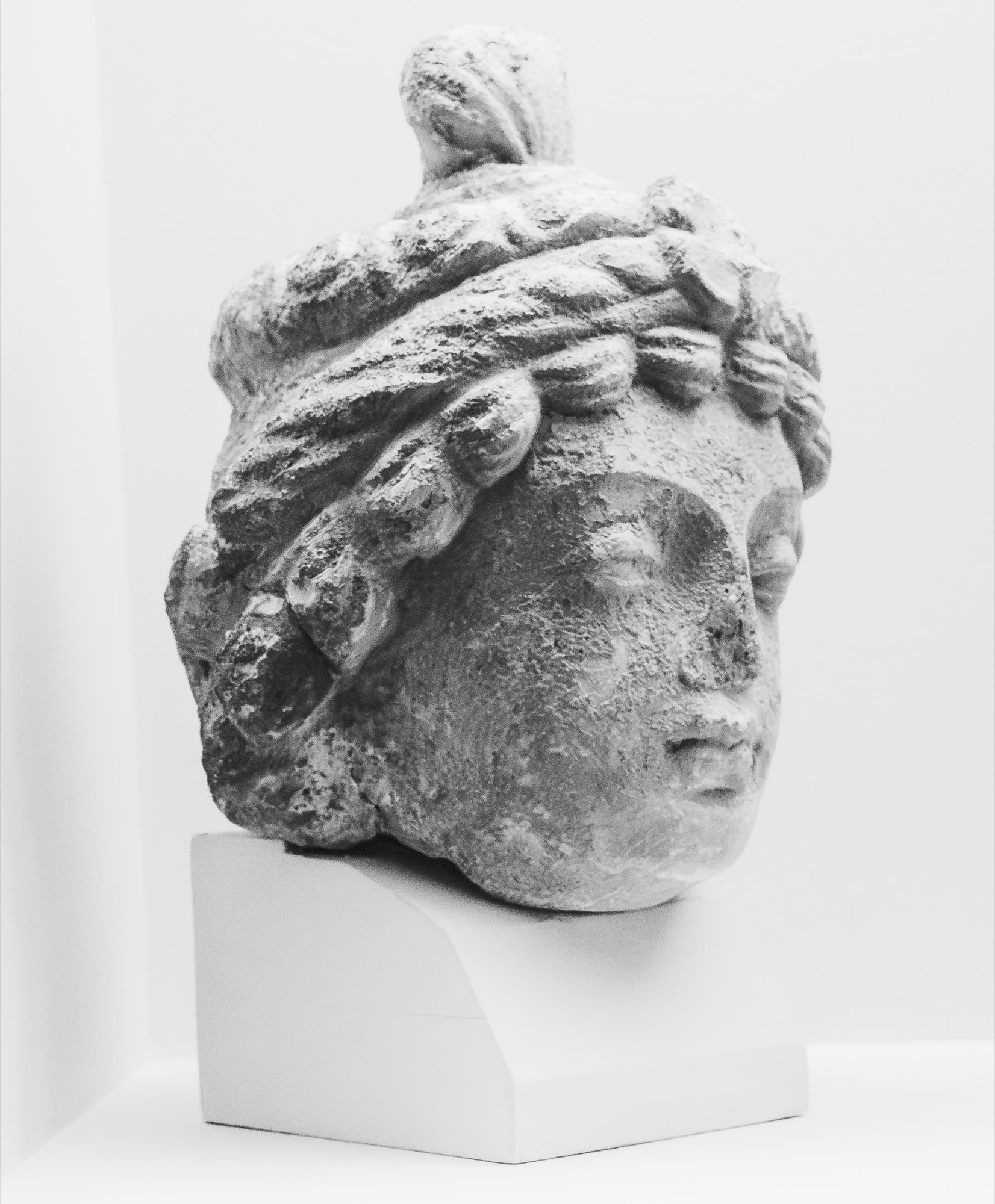
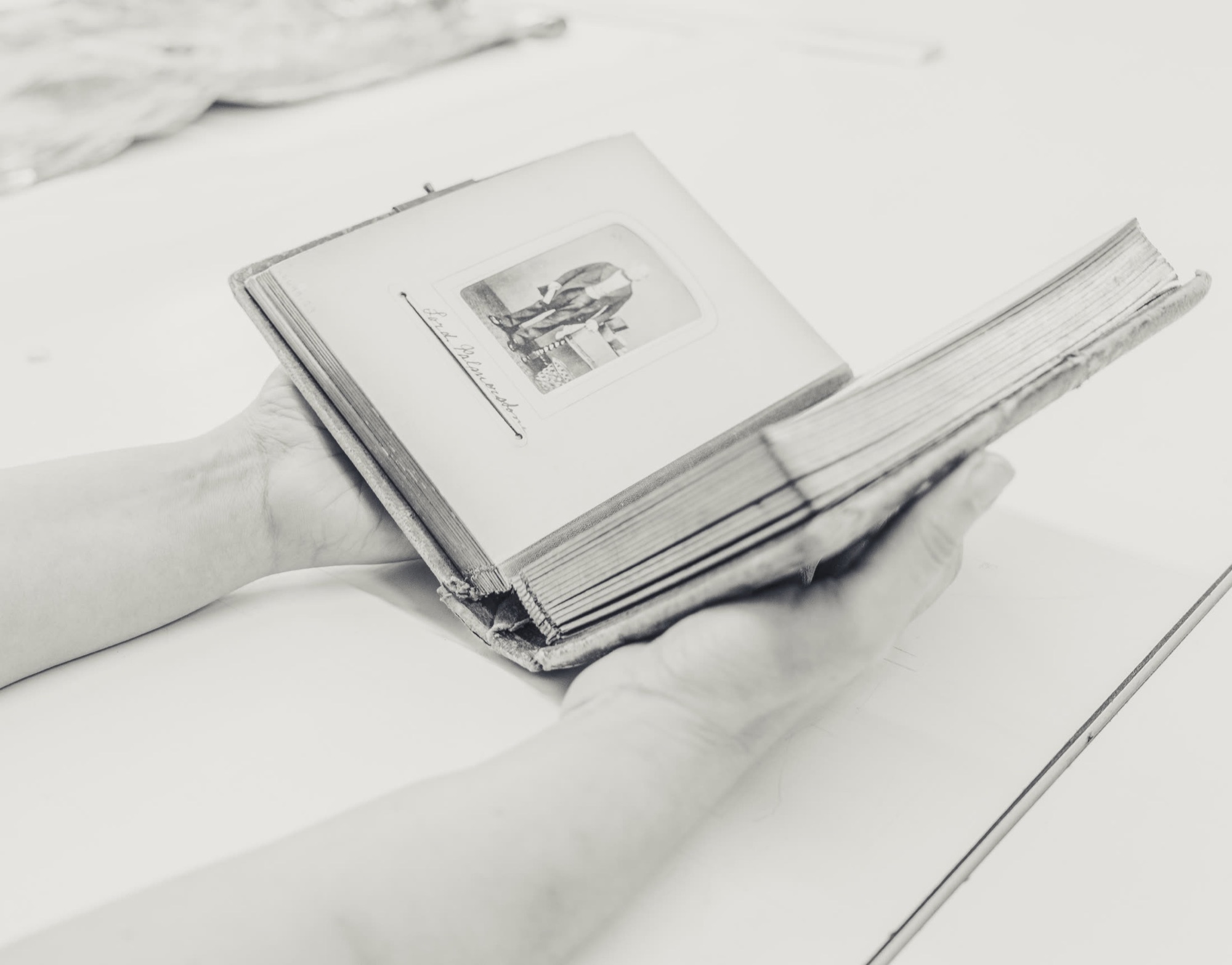
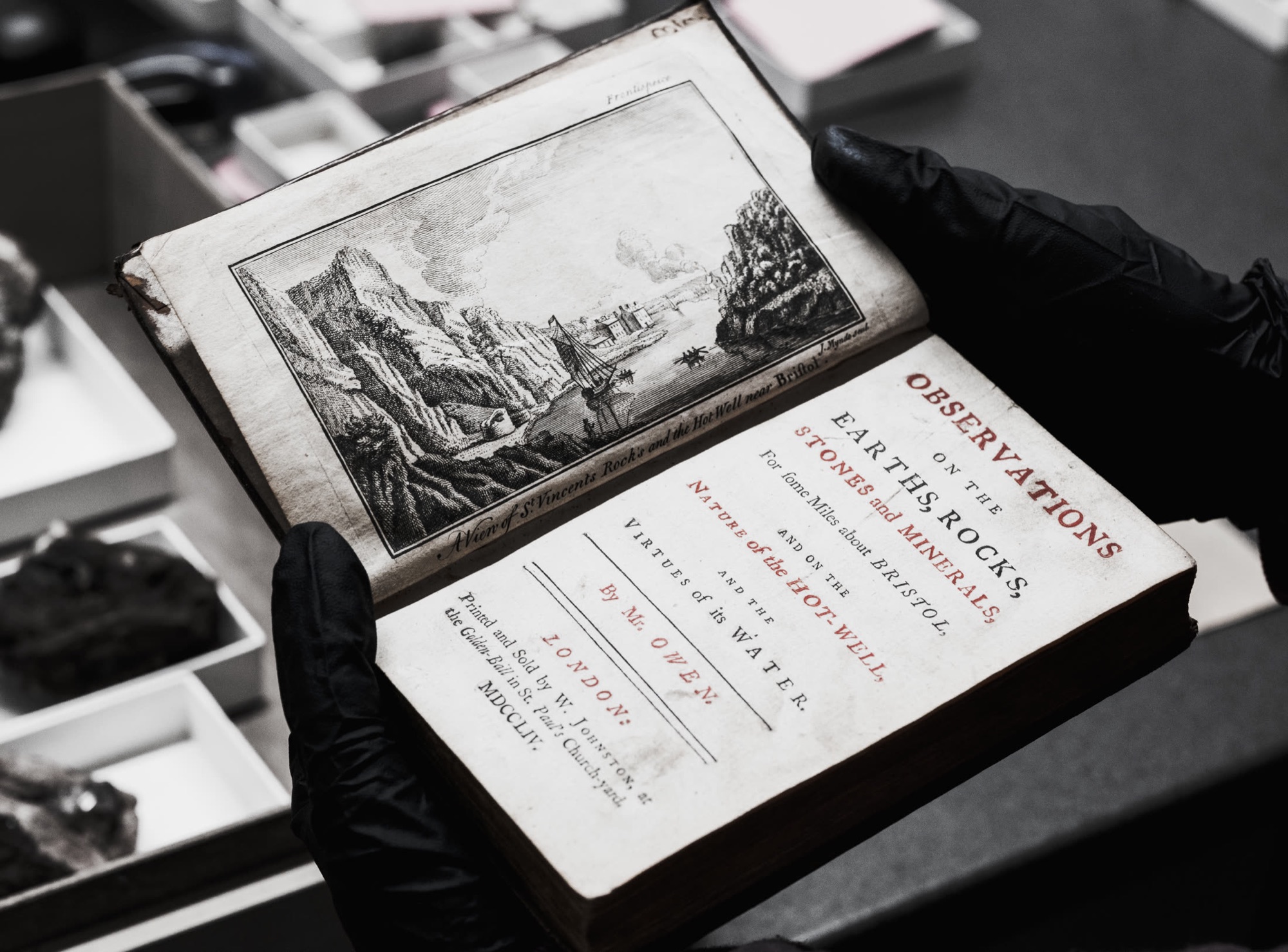
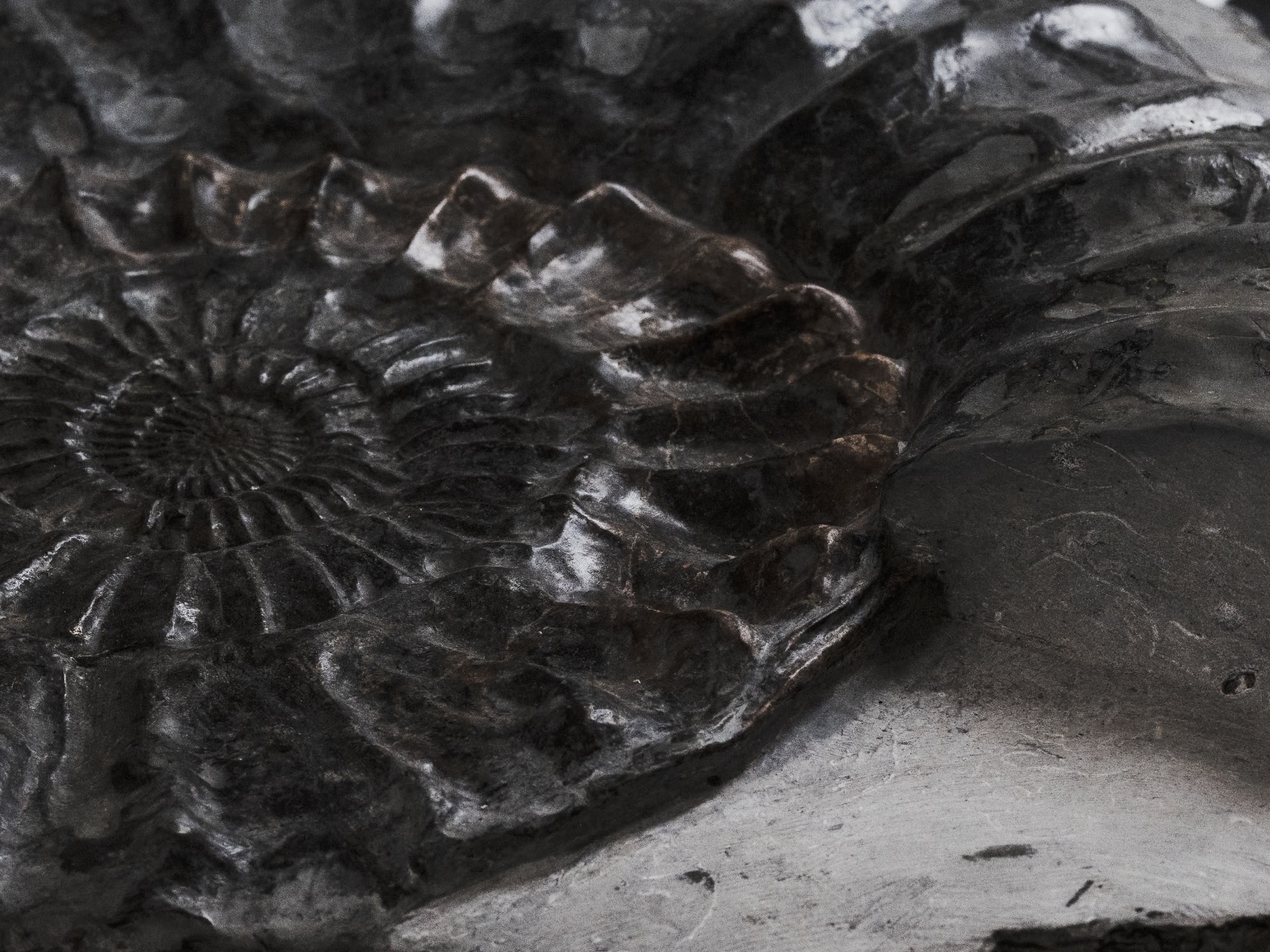
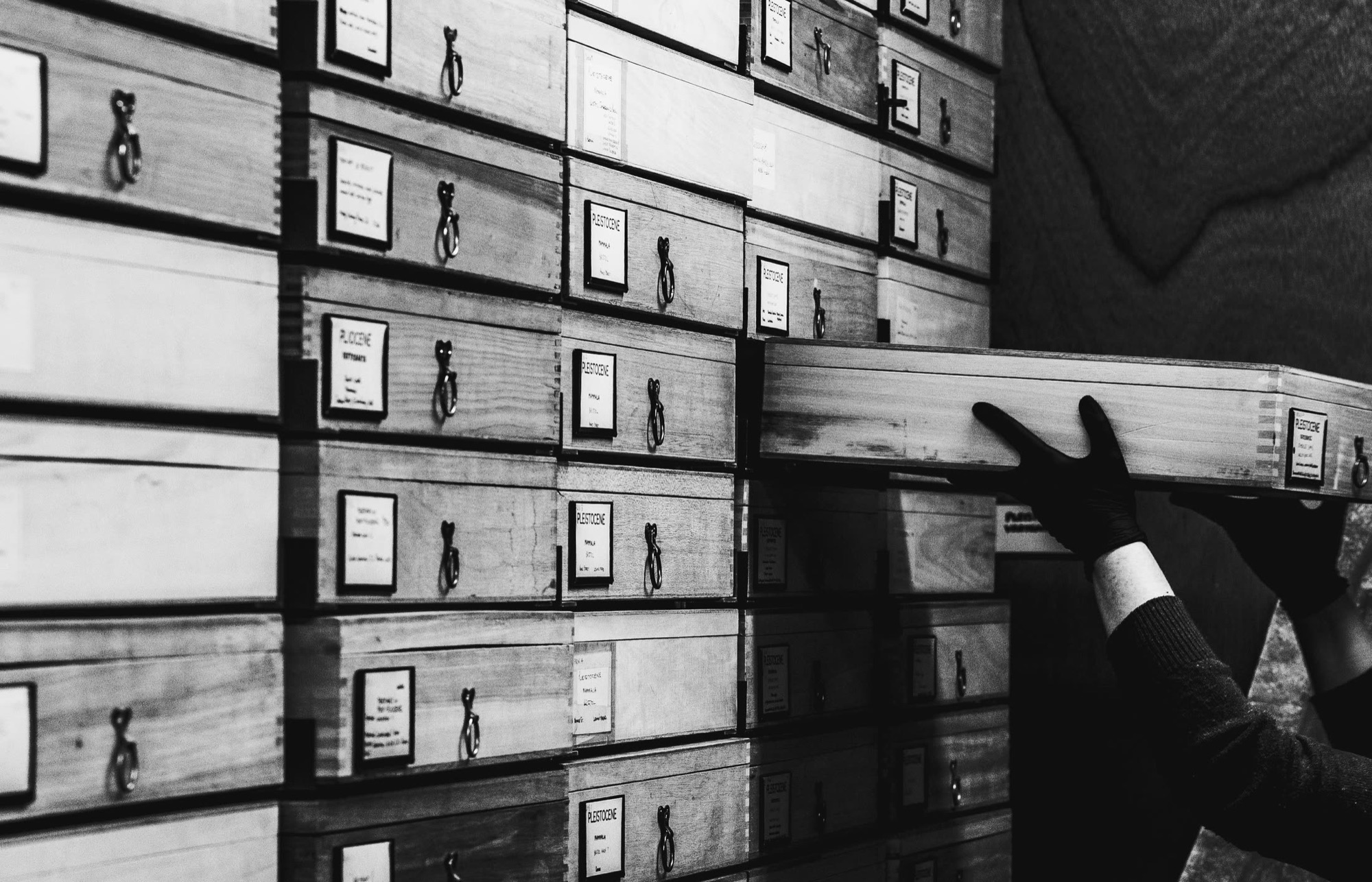
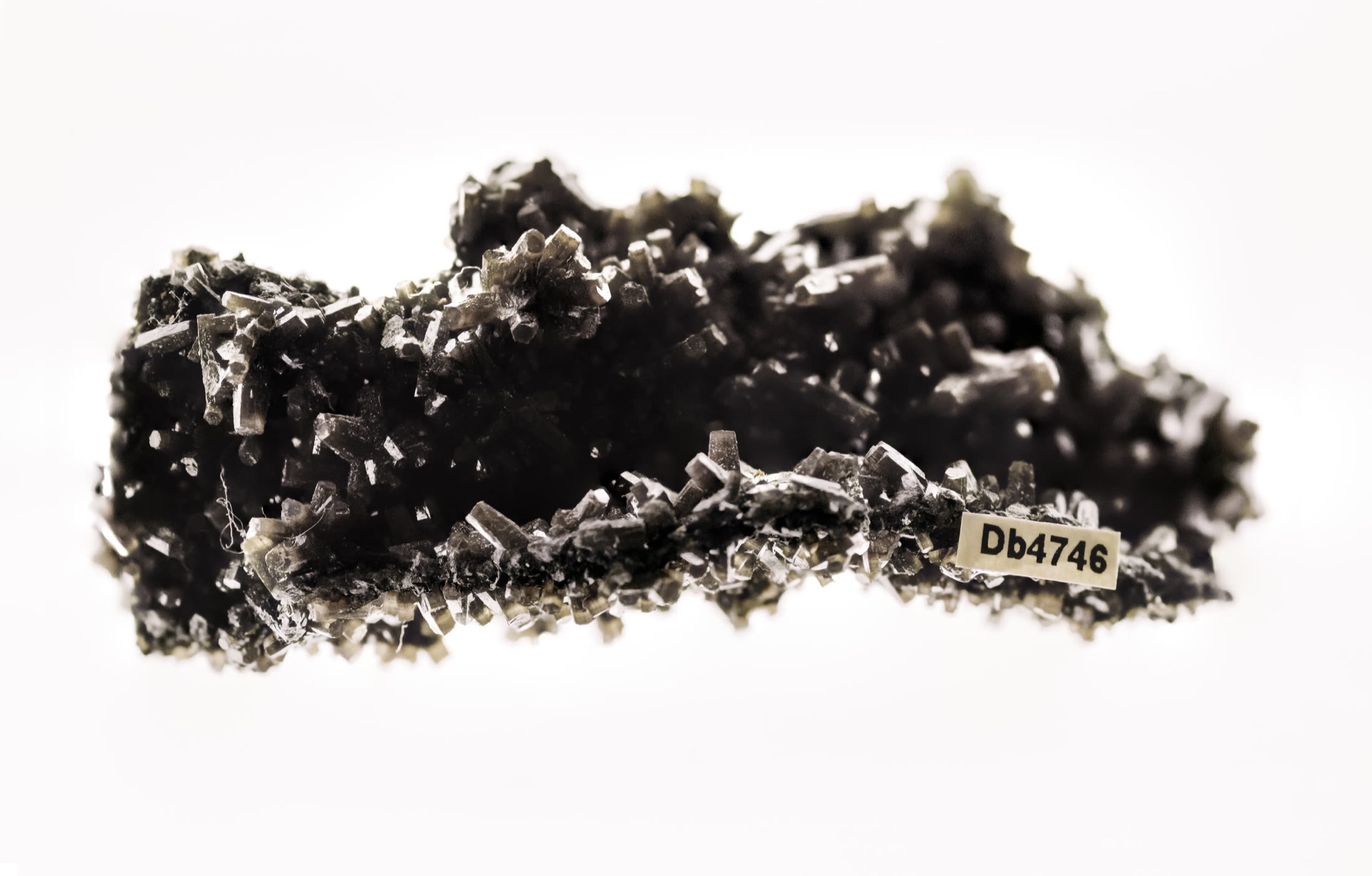
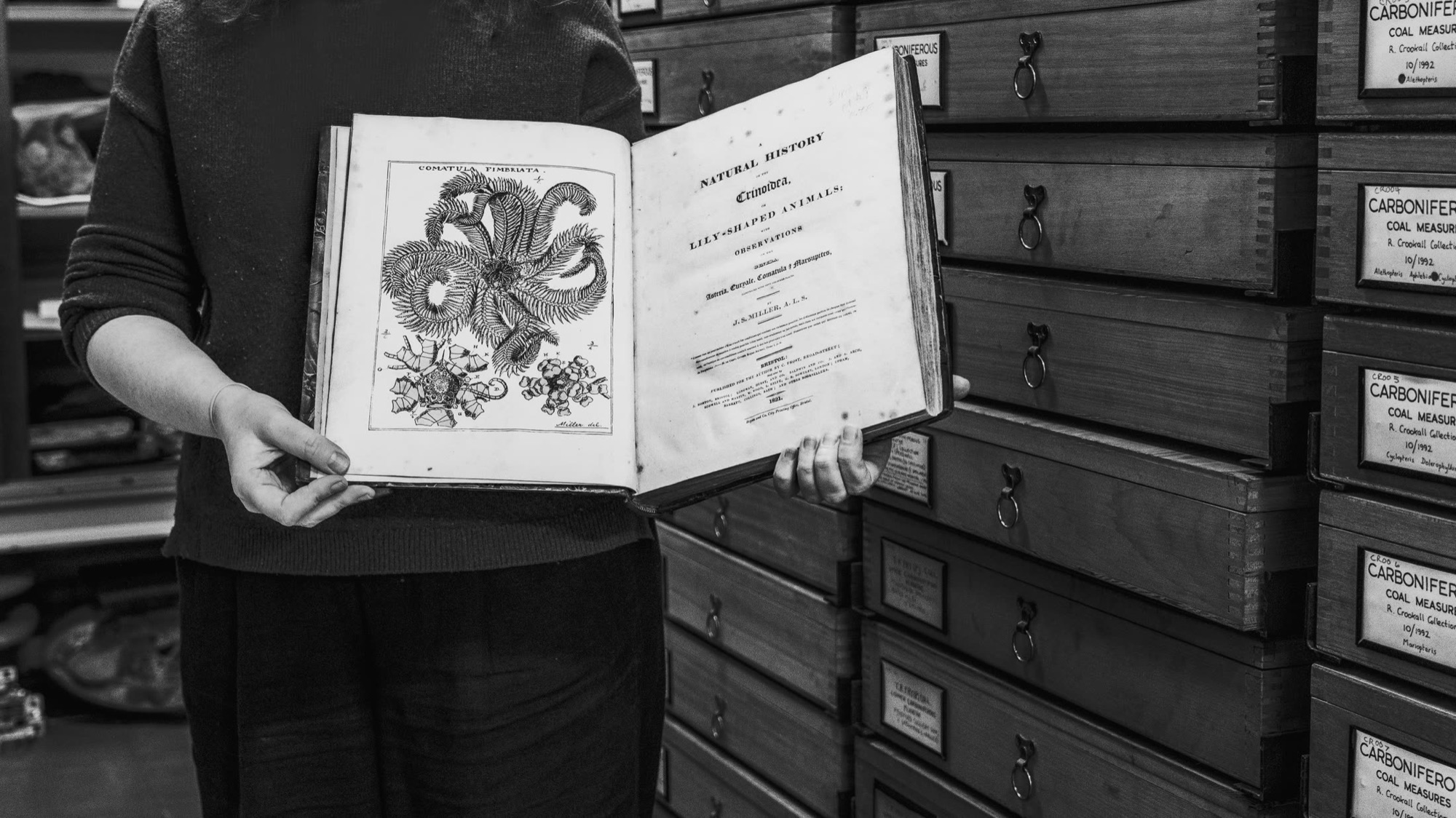
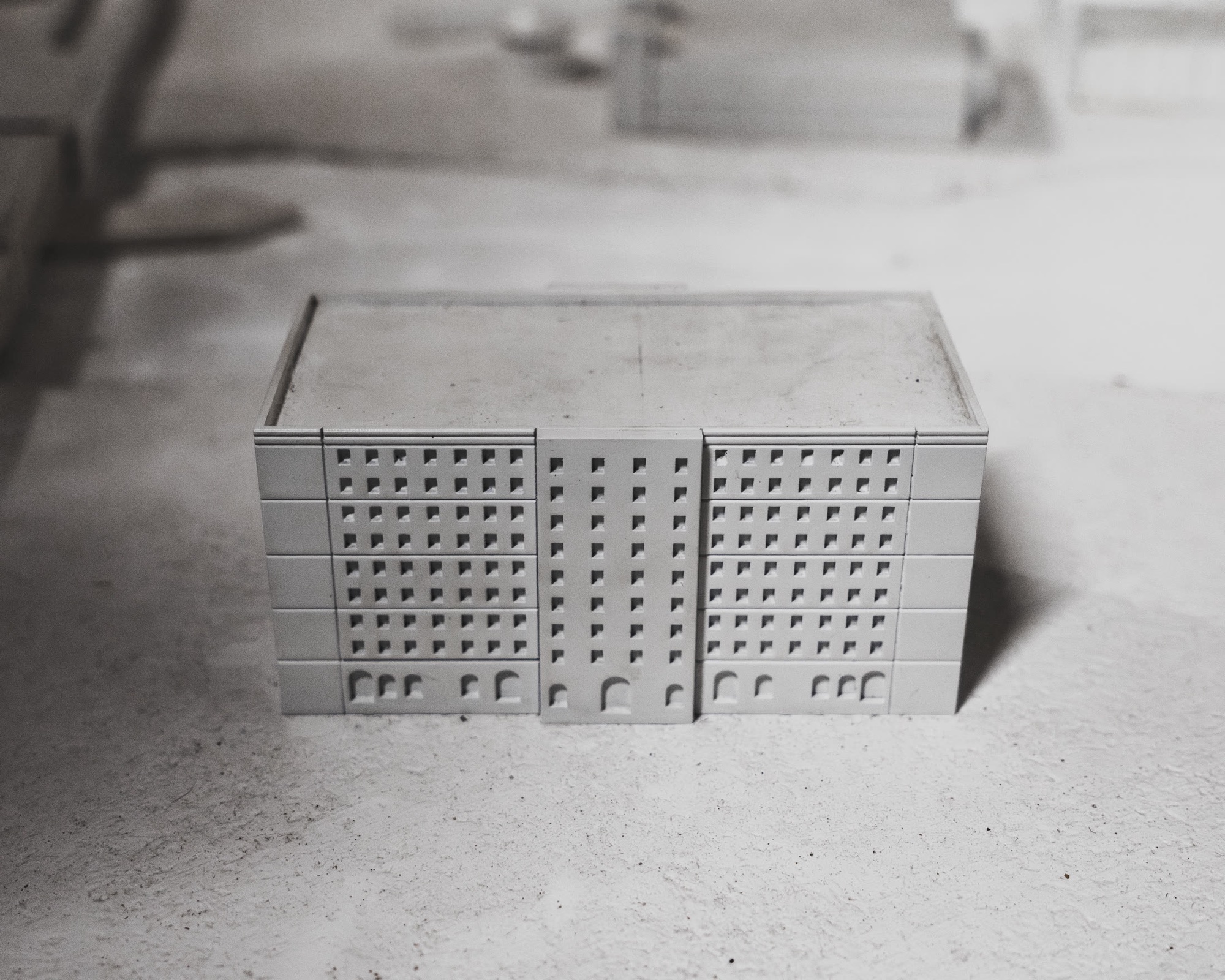
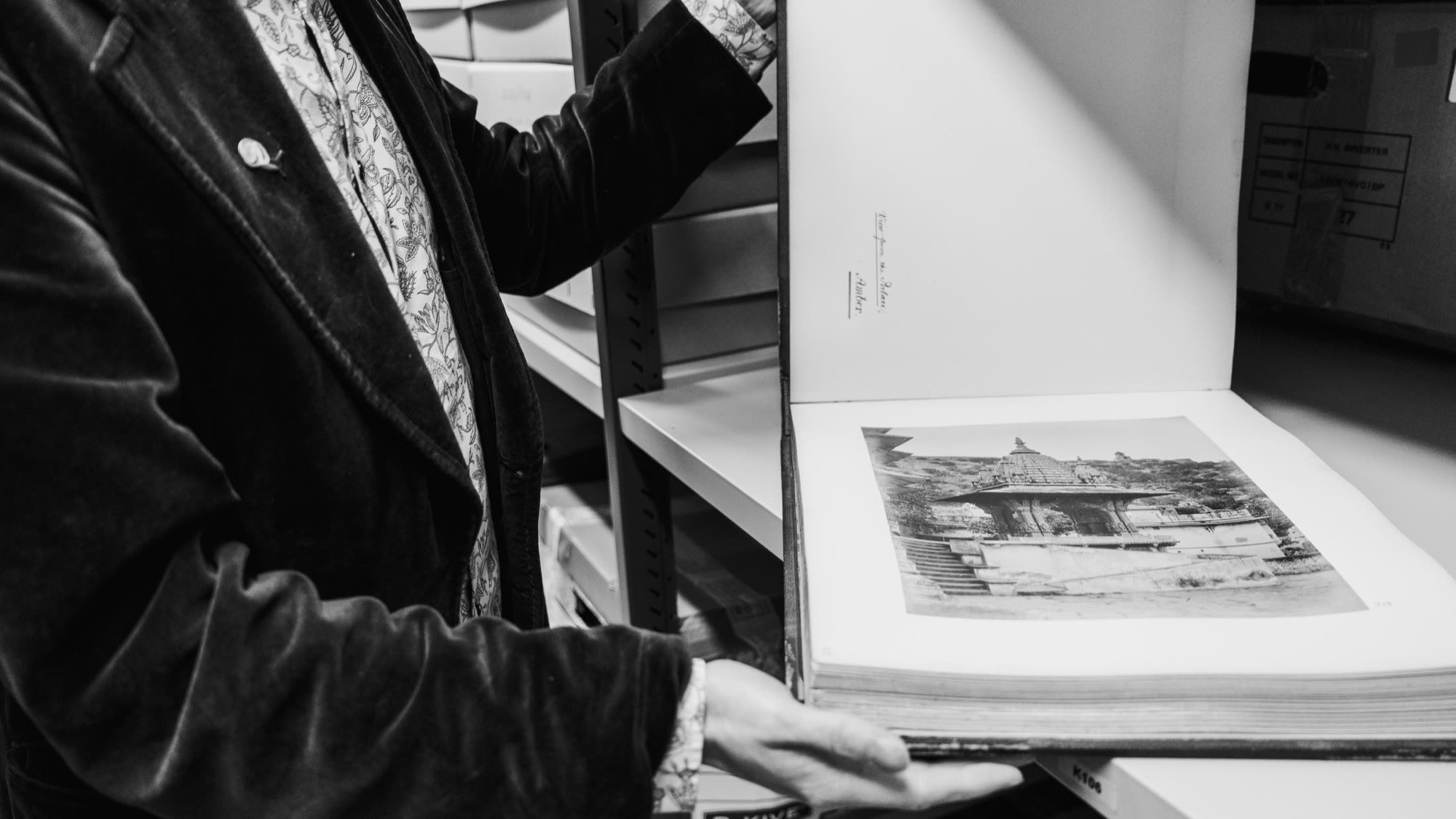
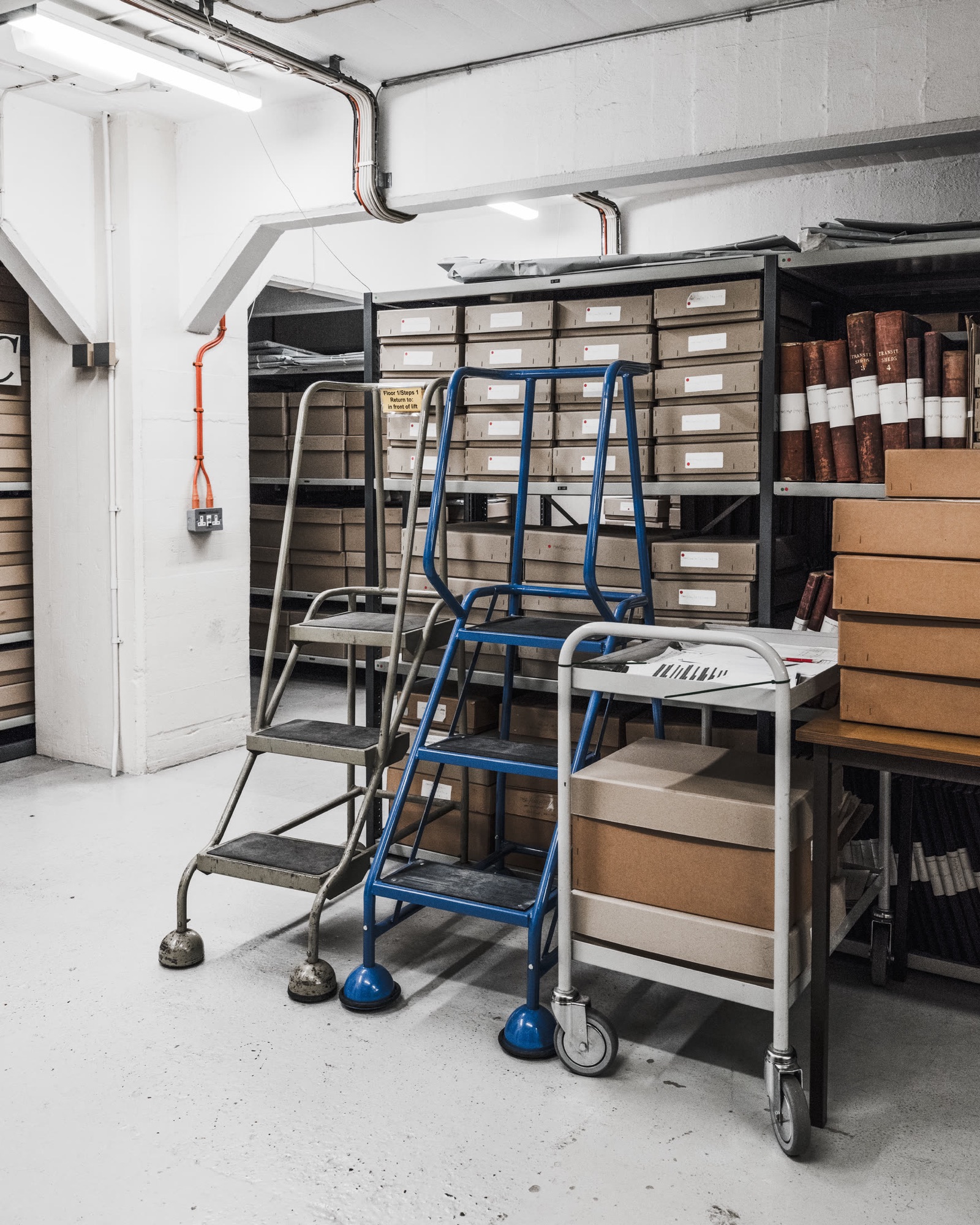
The project was made across five months of access to Bristol Museum & Art Gallery, Bristol Archives, and M Shed. Three image types: photographs in conservation spaces (hands, tools, workbench; faces not visible); supervised photographs in geology stores, archive stacks, and collection storage; photographs of specific objects and displays where the institution's interpretive decisions are most legible.
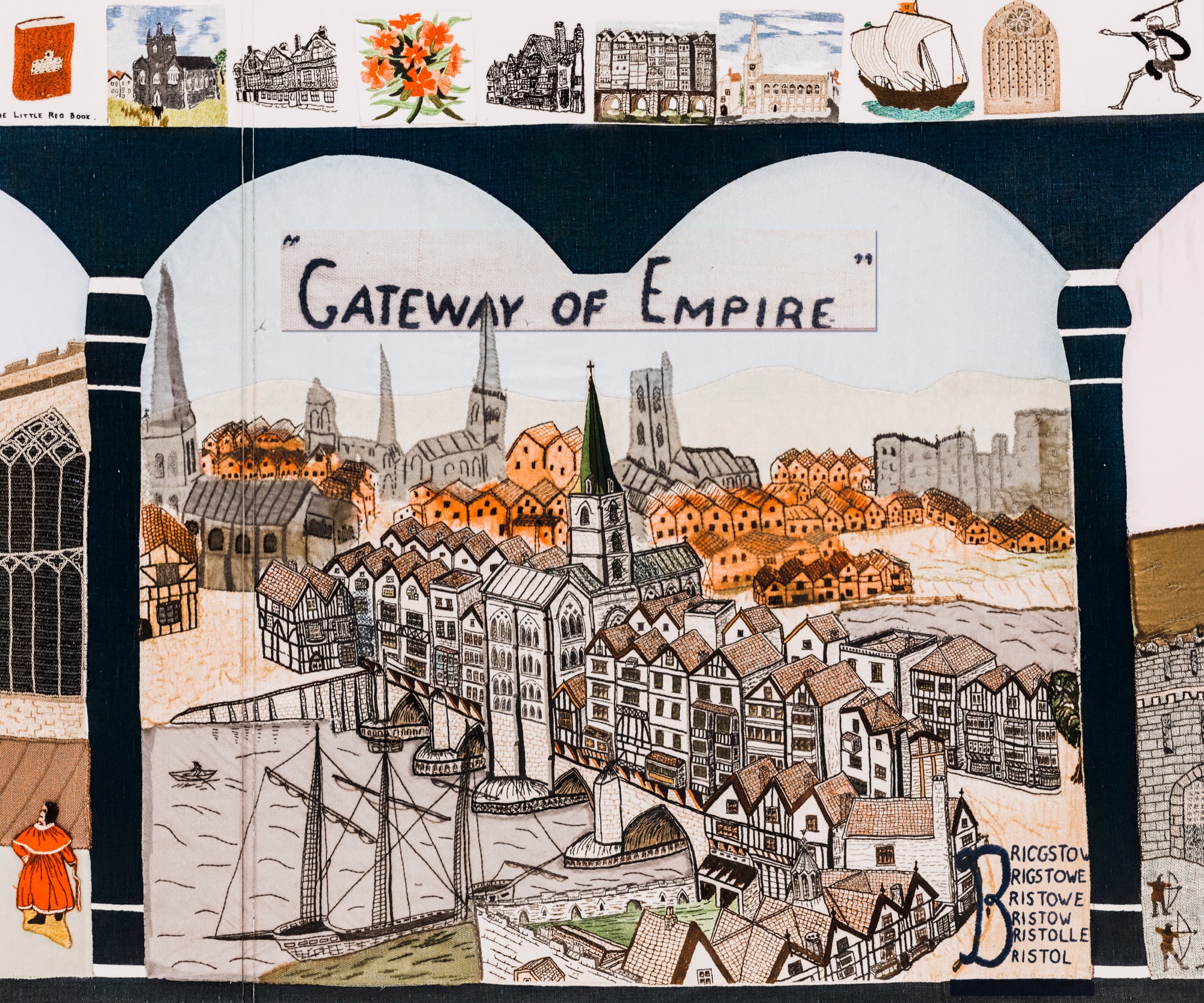
The output is a hand-bound concertina book, more than twenty metres long when fully extended. Each image panel carries an accession code in the format GoE/[year]/[sequence number] — modelled on the museum's own cataloguing system. The project title comes from the phrase worked into the museum's own lift hall tapestry, used to describe Bristol: Gateway of Empire.