Noida
Uttar Pradesh
Skyline Panorama · scroll to pan

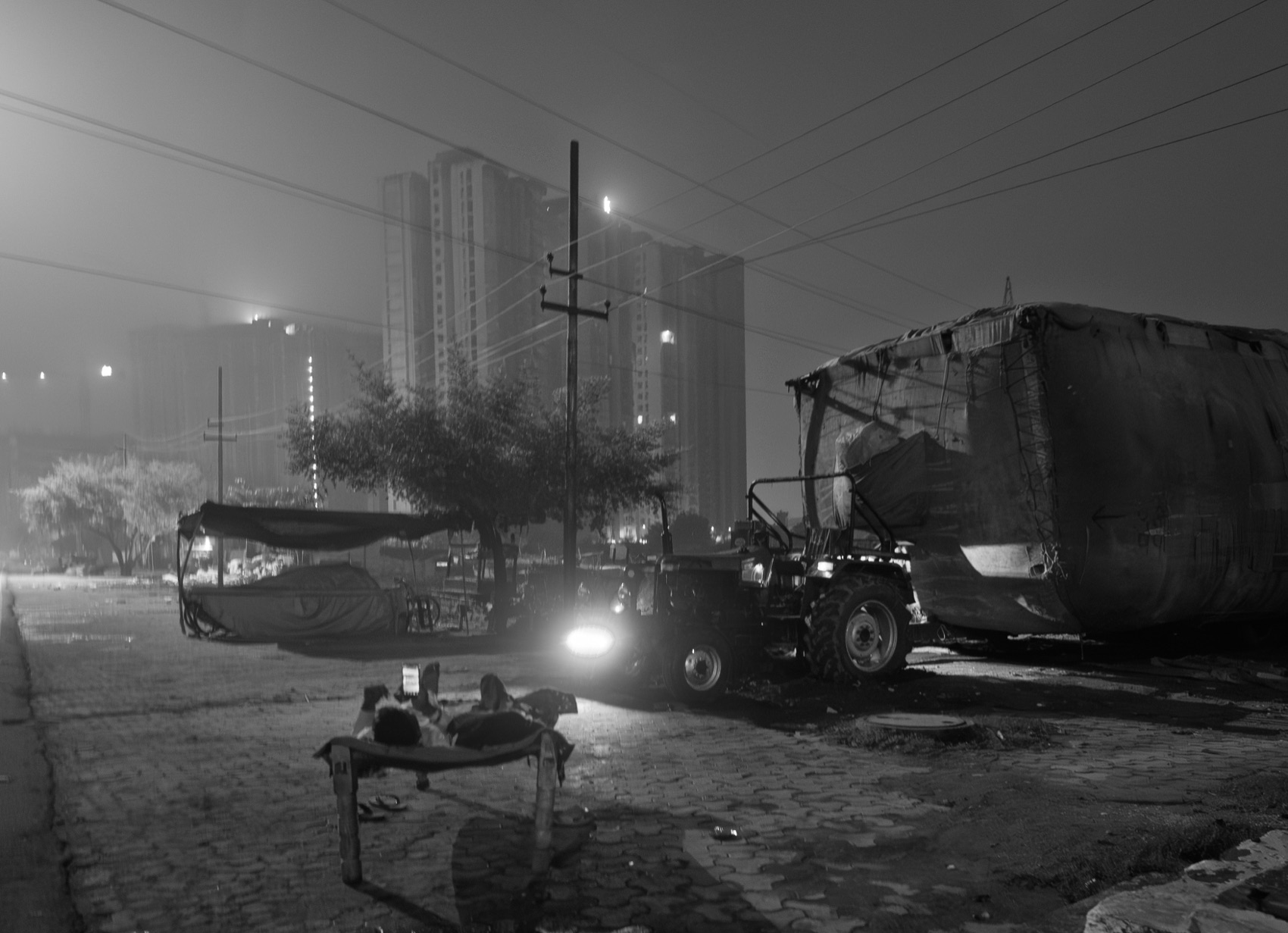
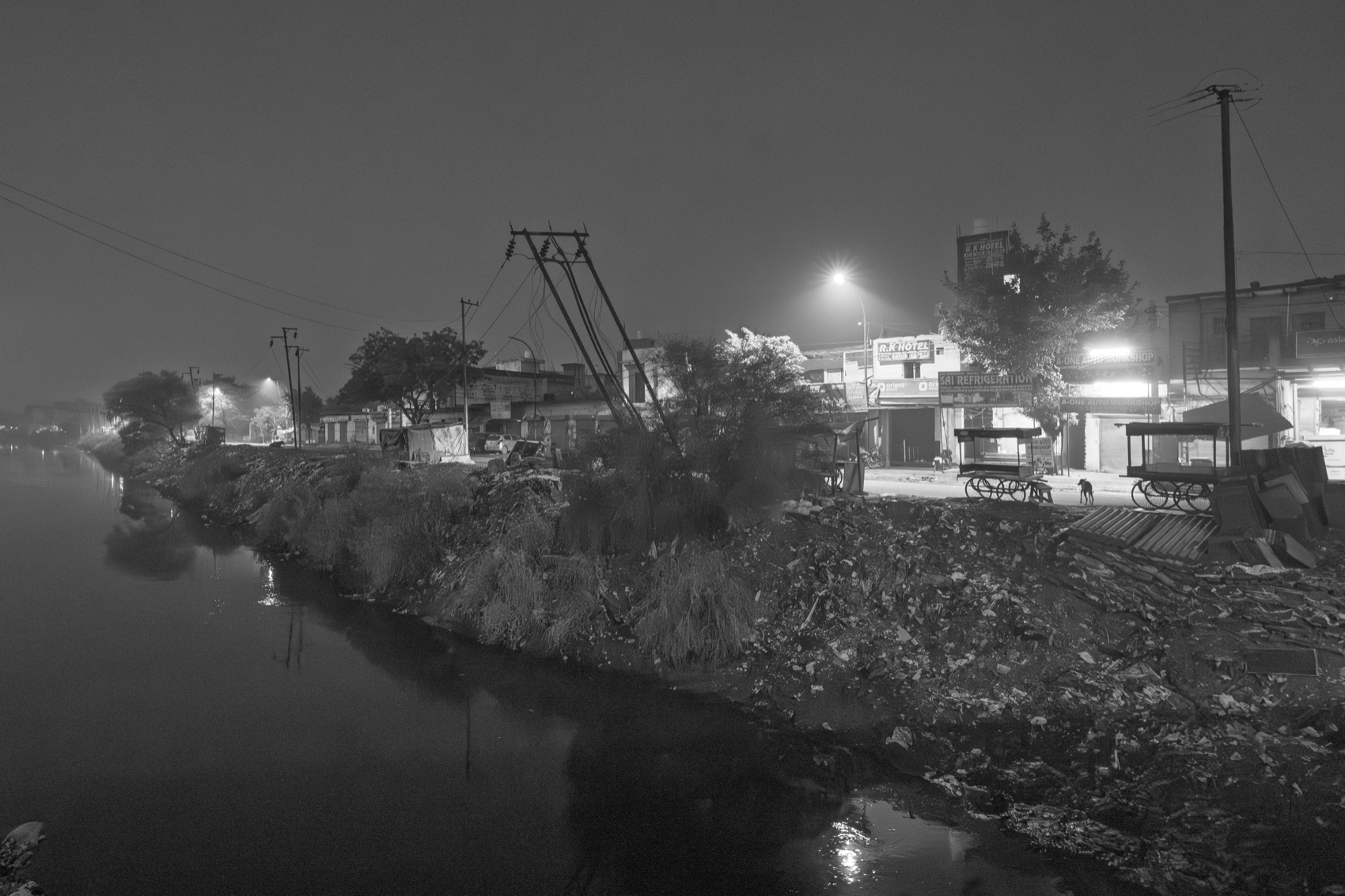
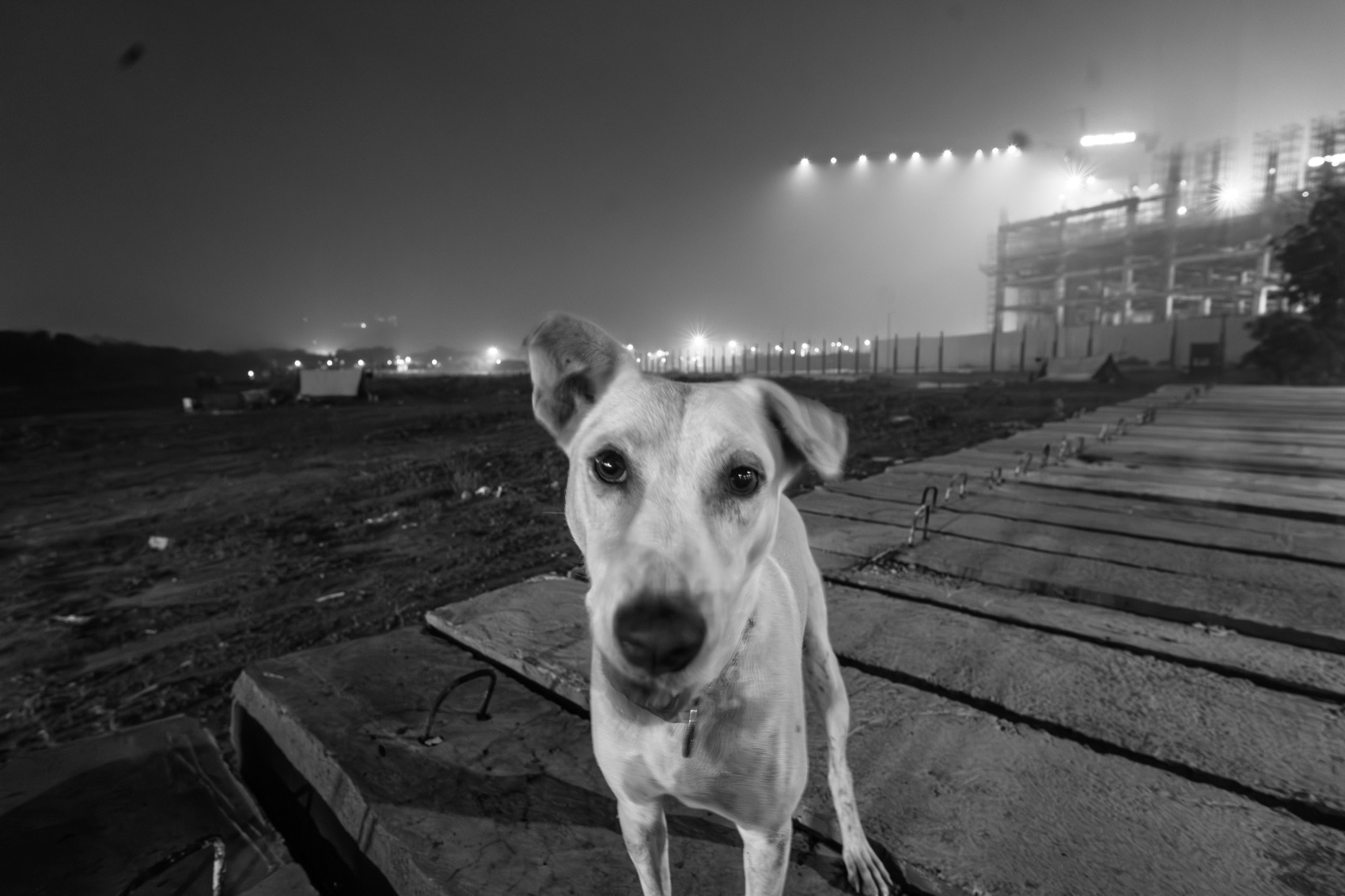
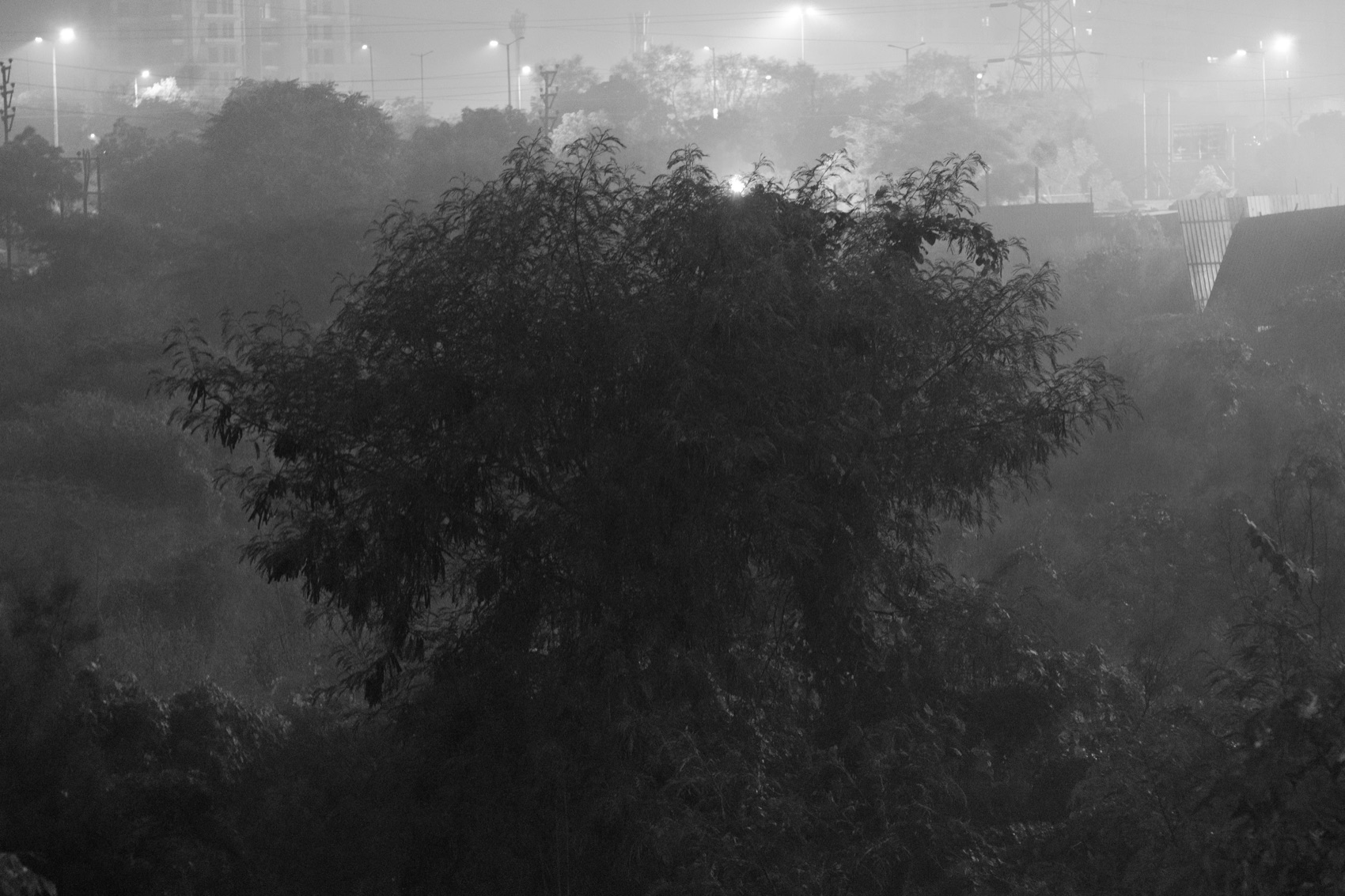
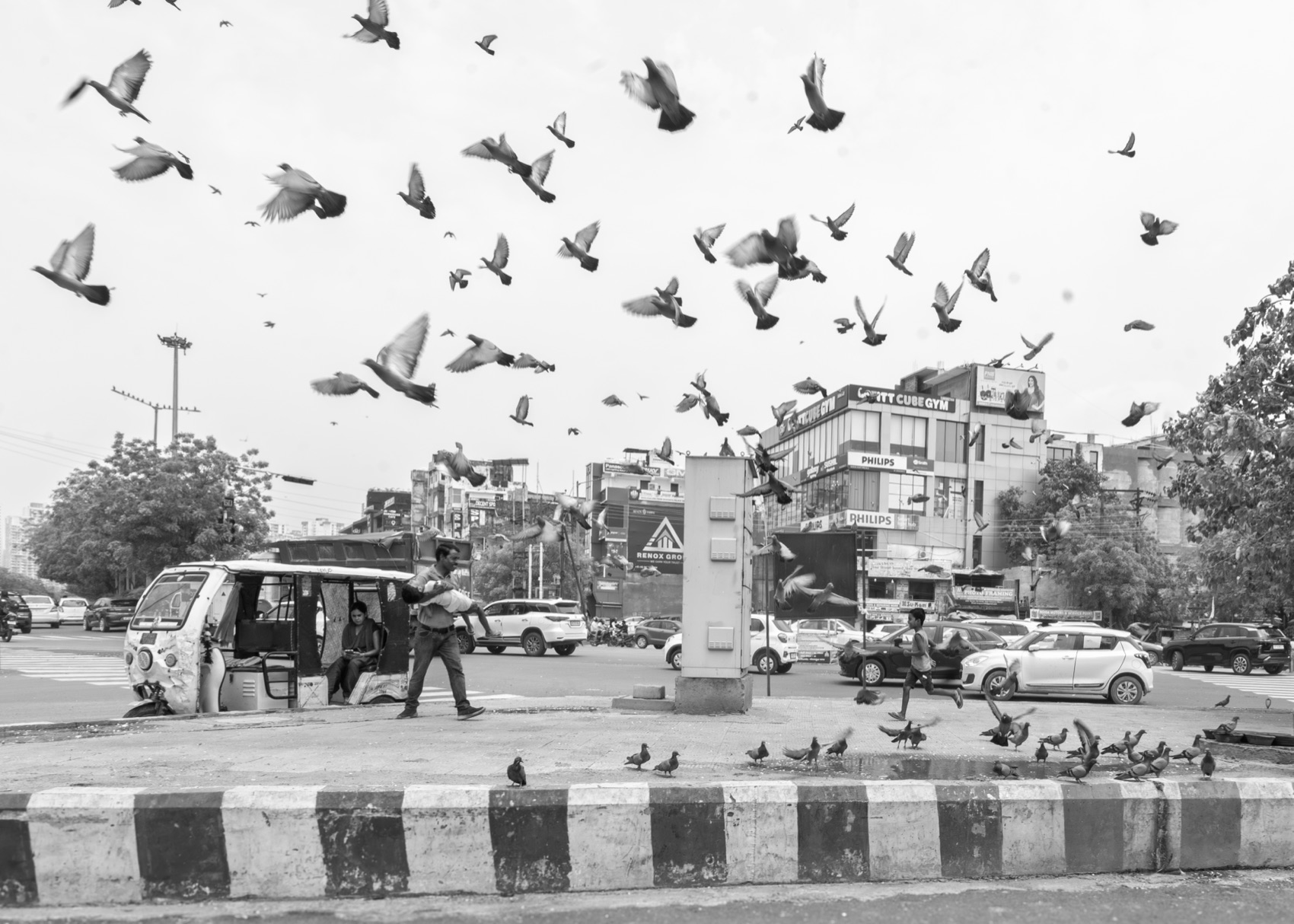
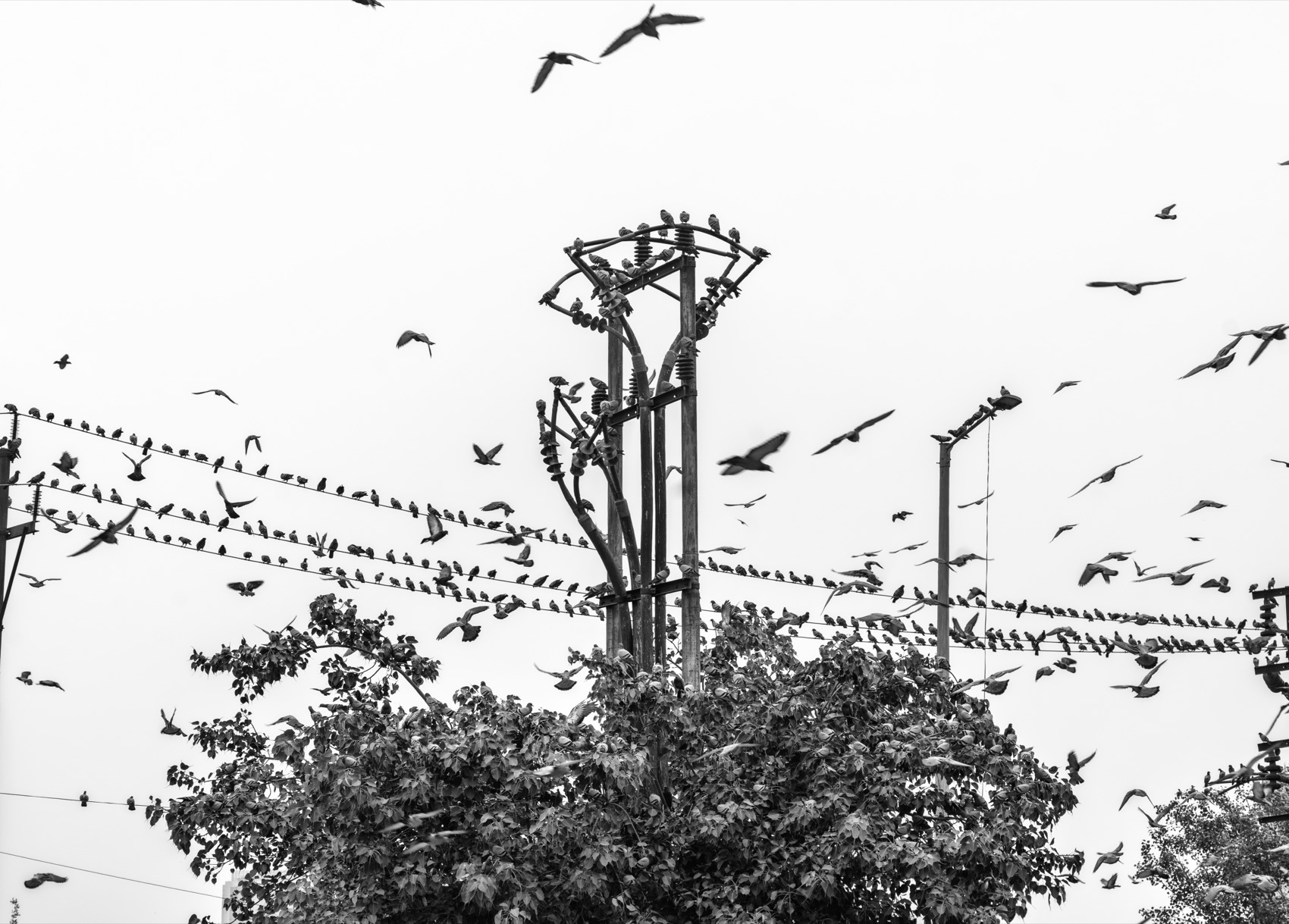
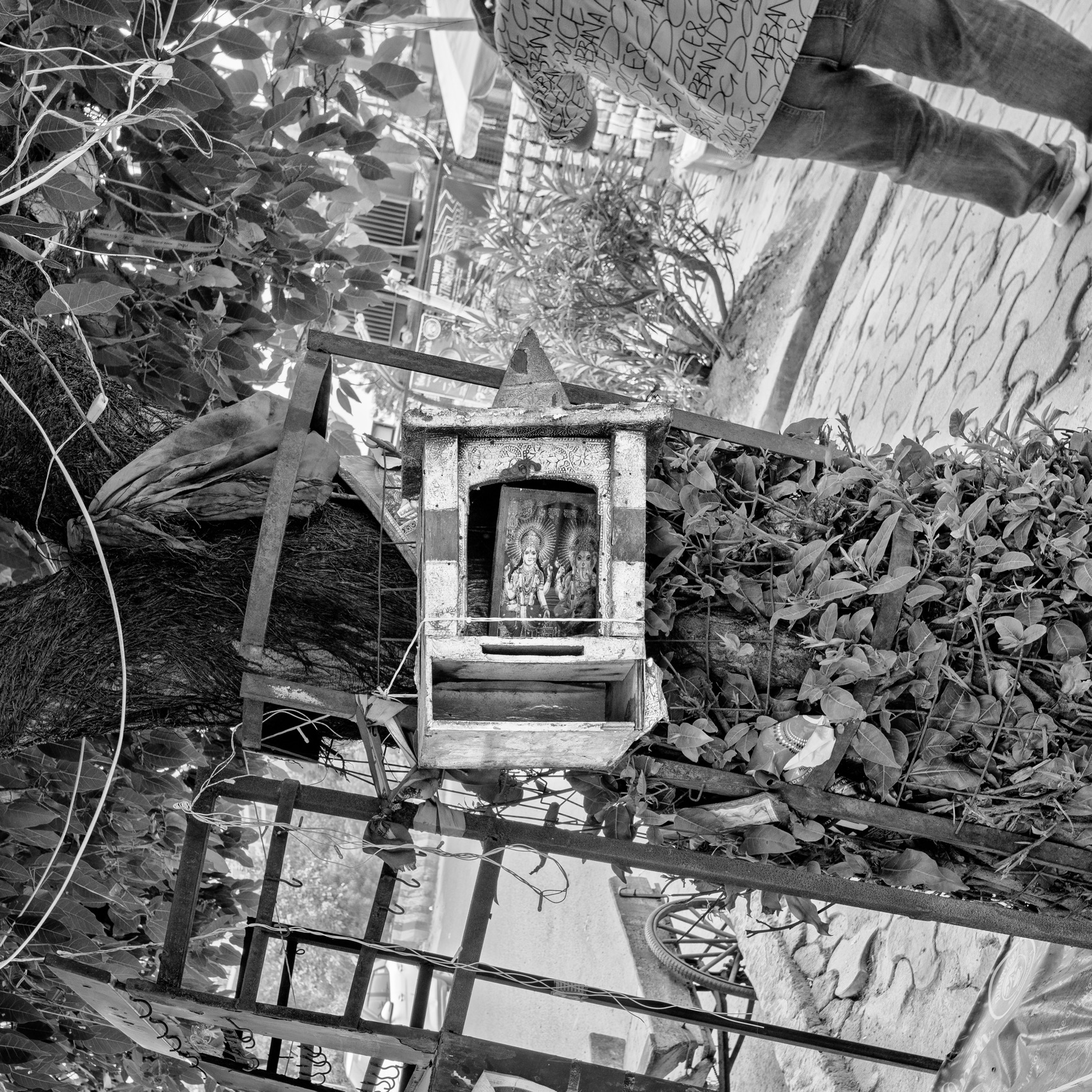
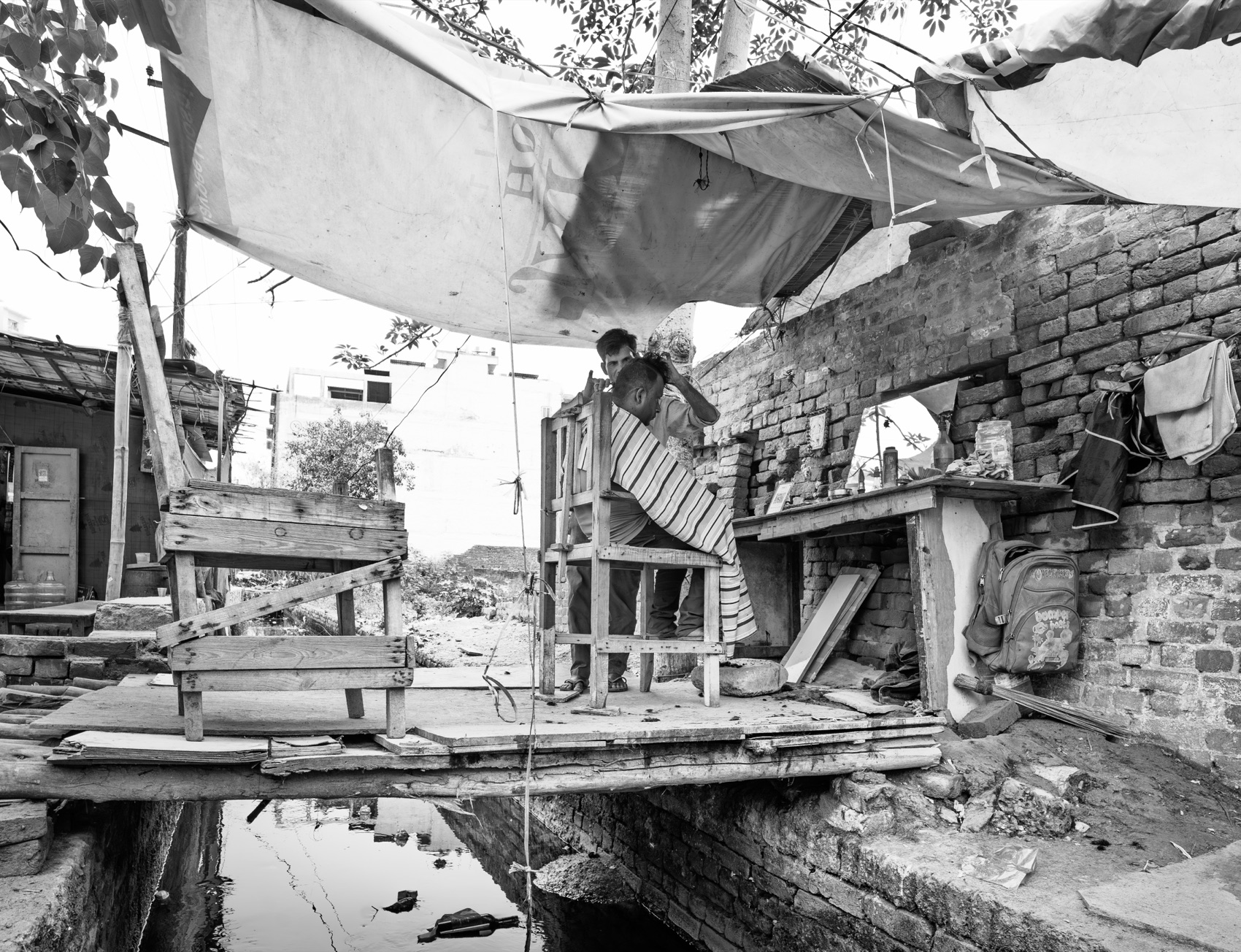
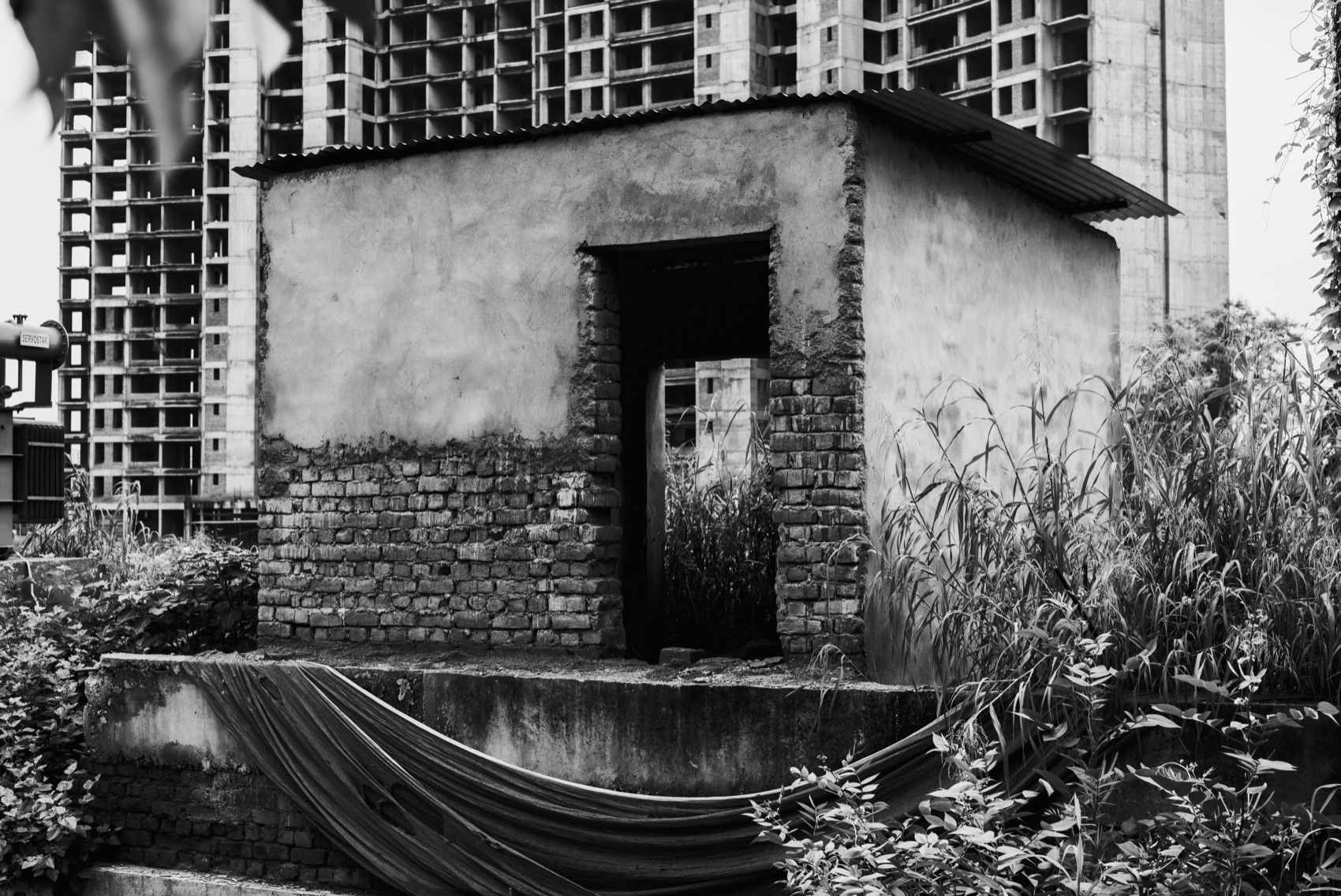
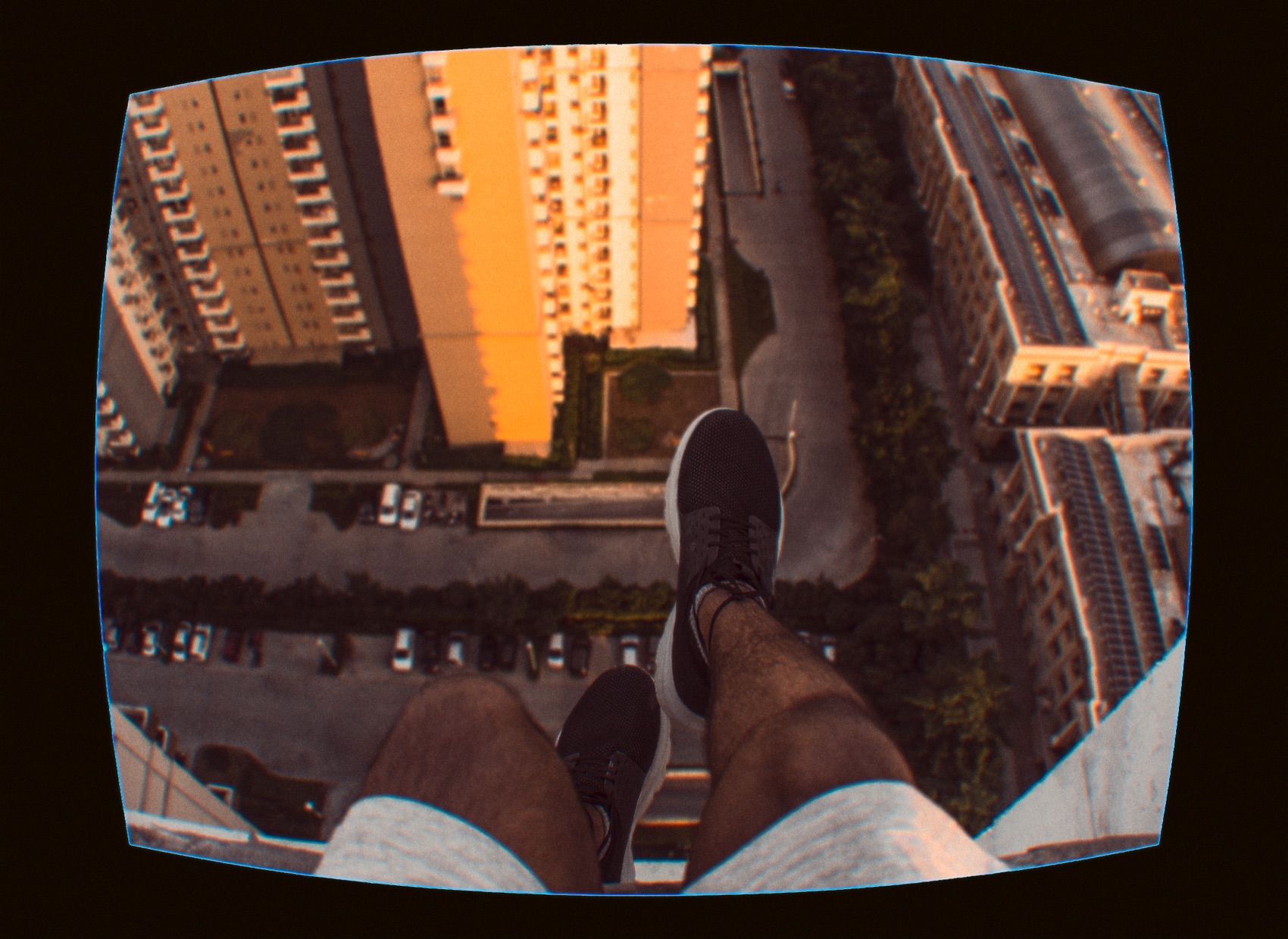
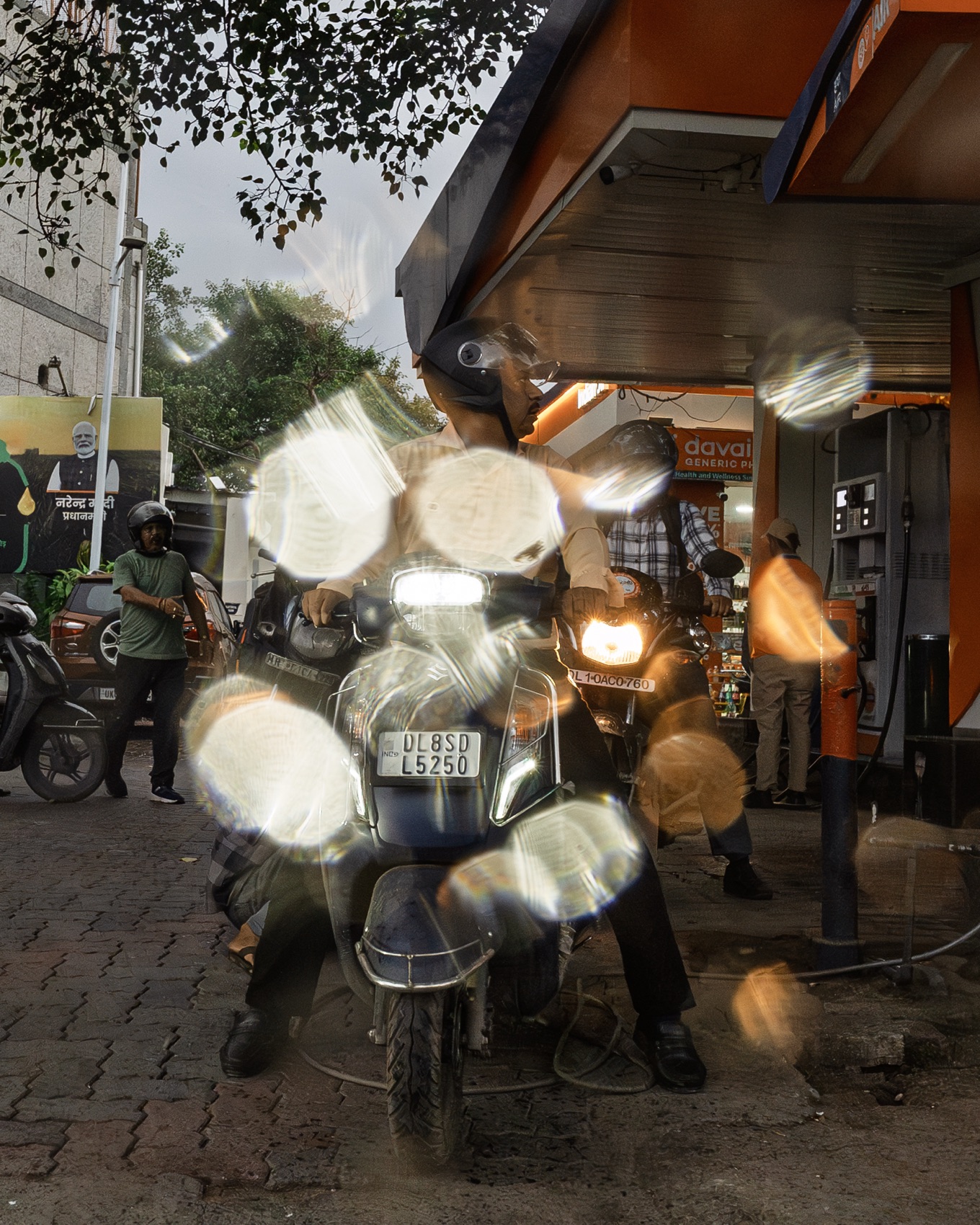
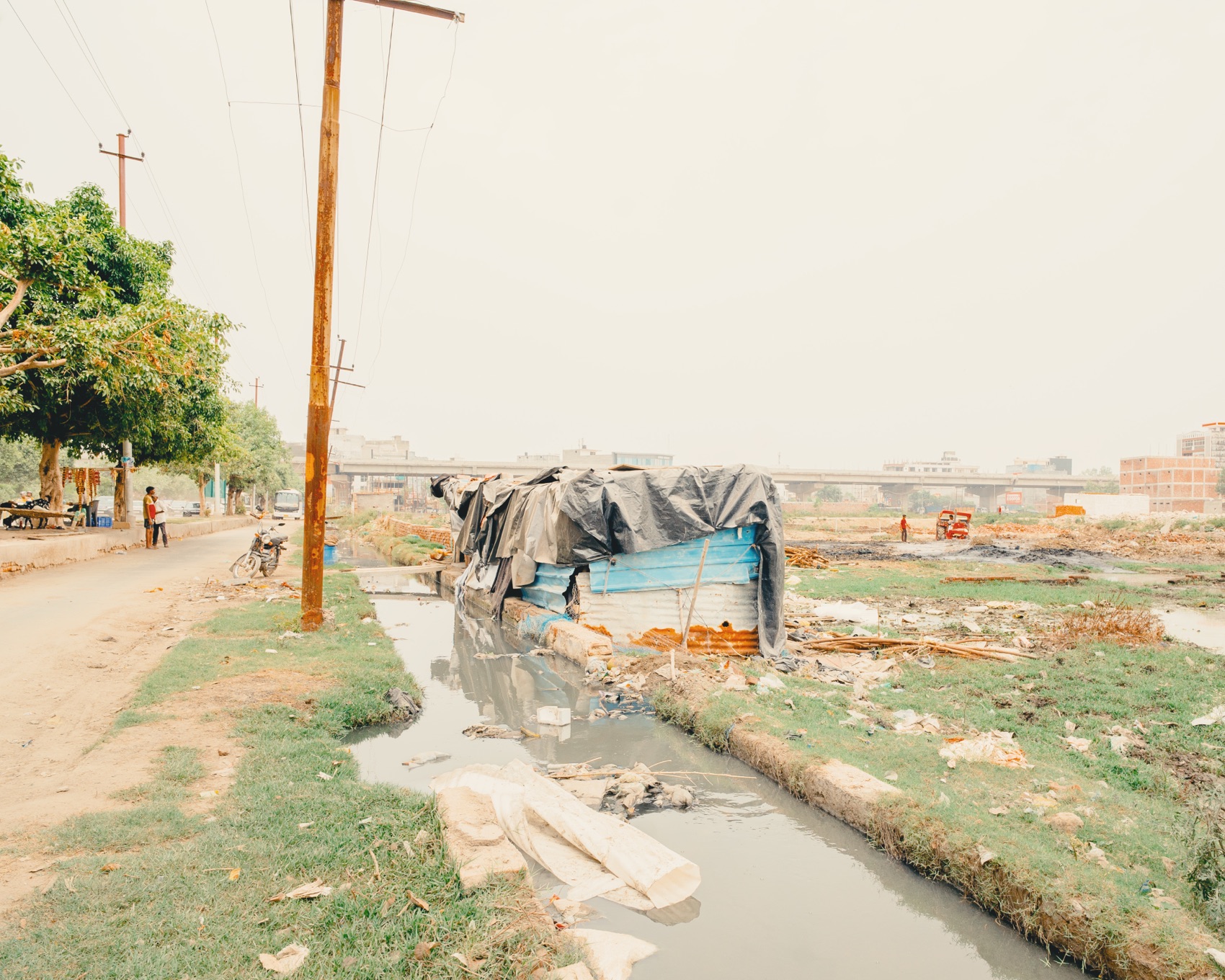
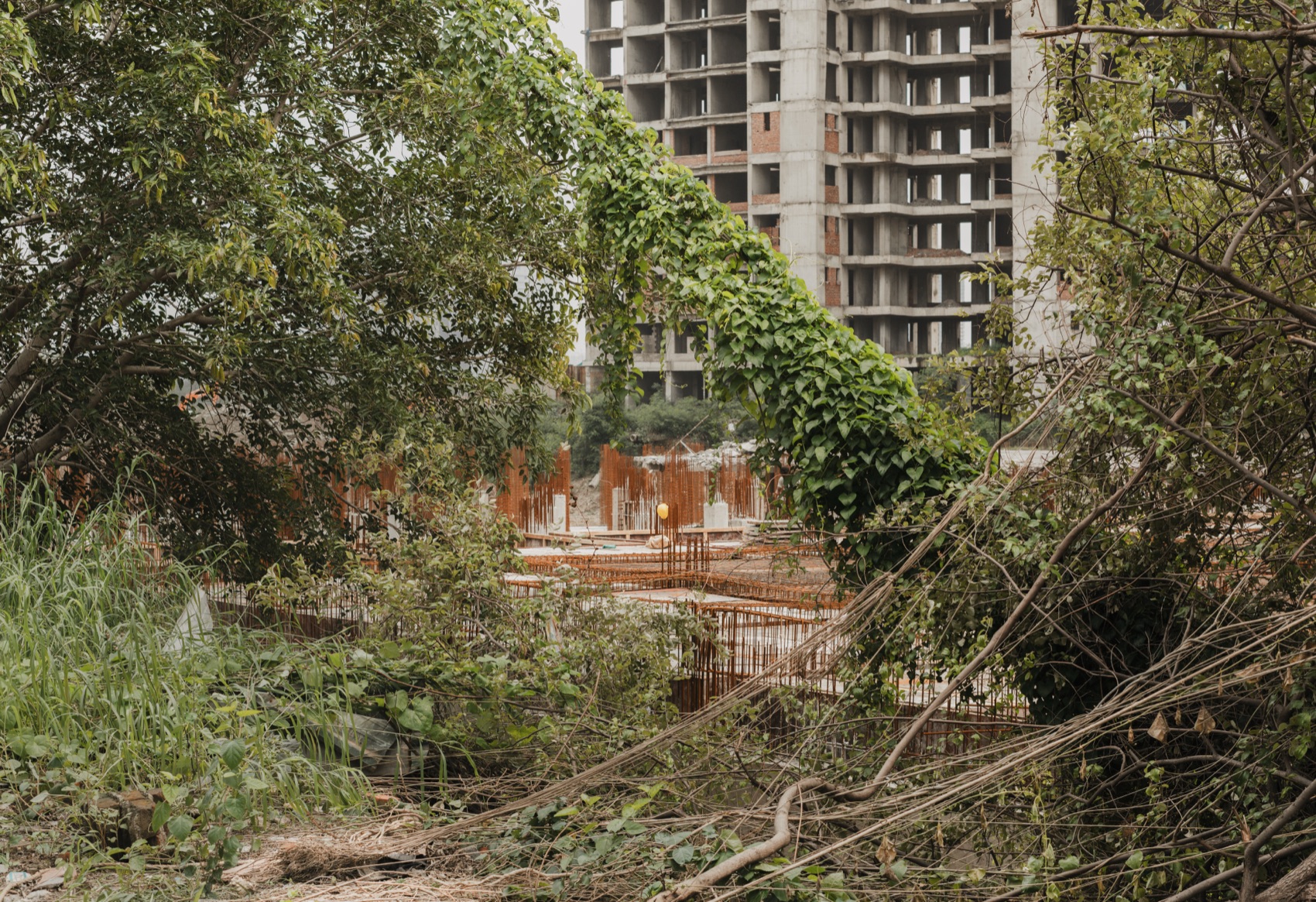
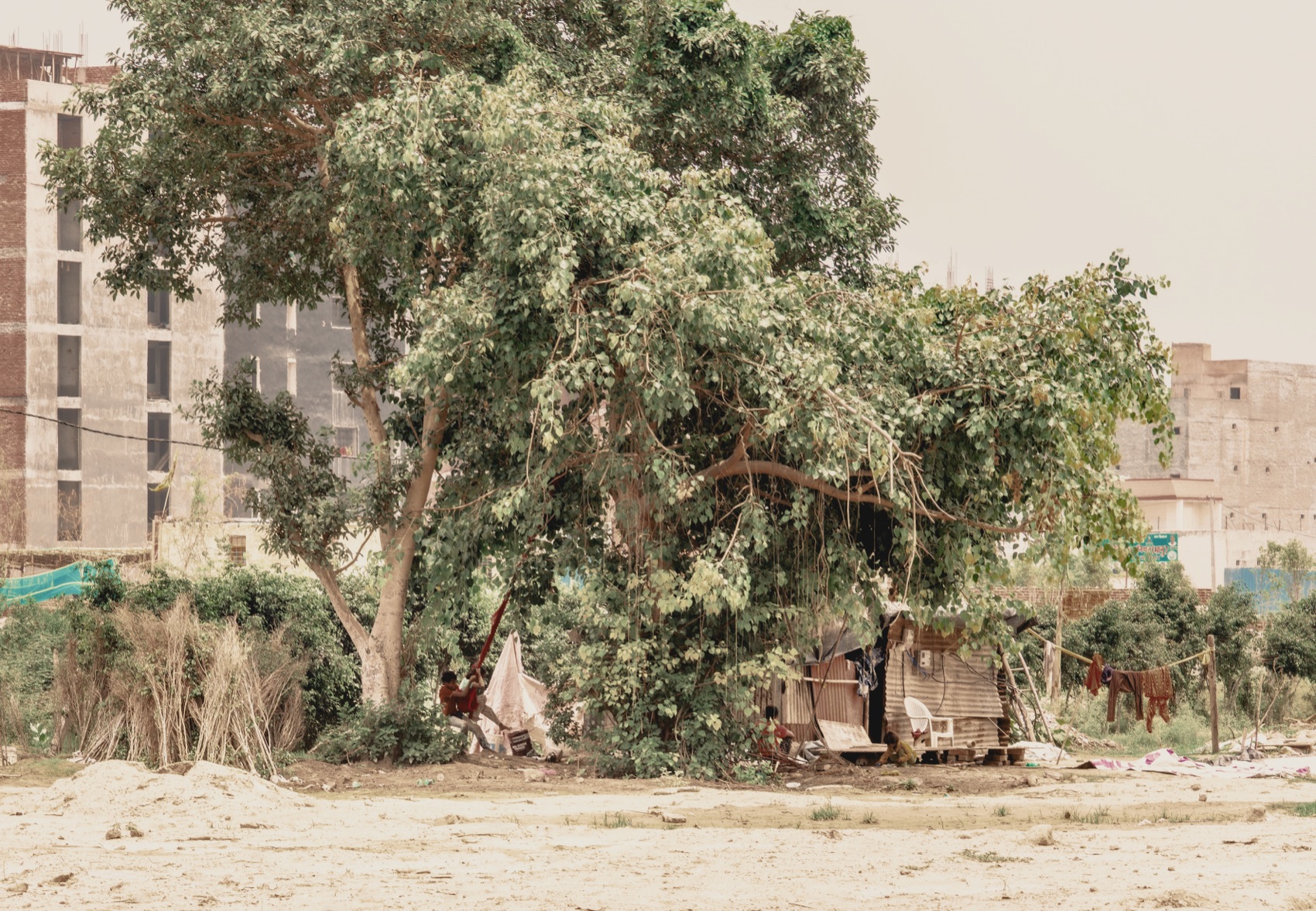
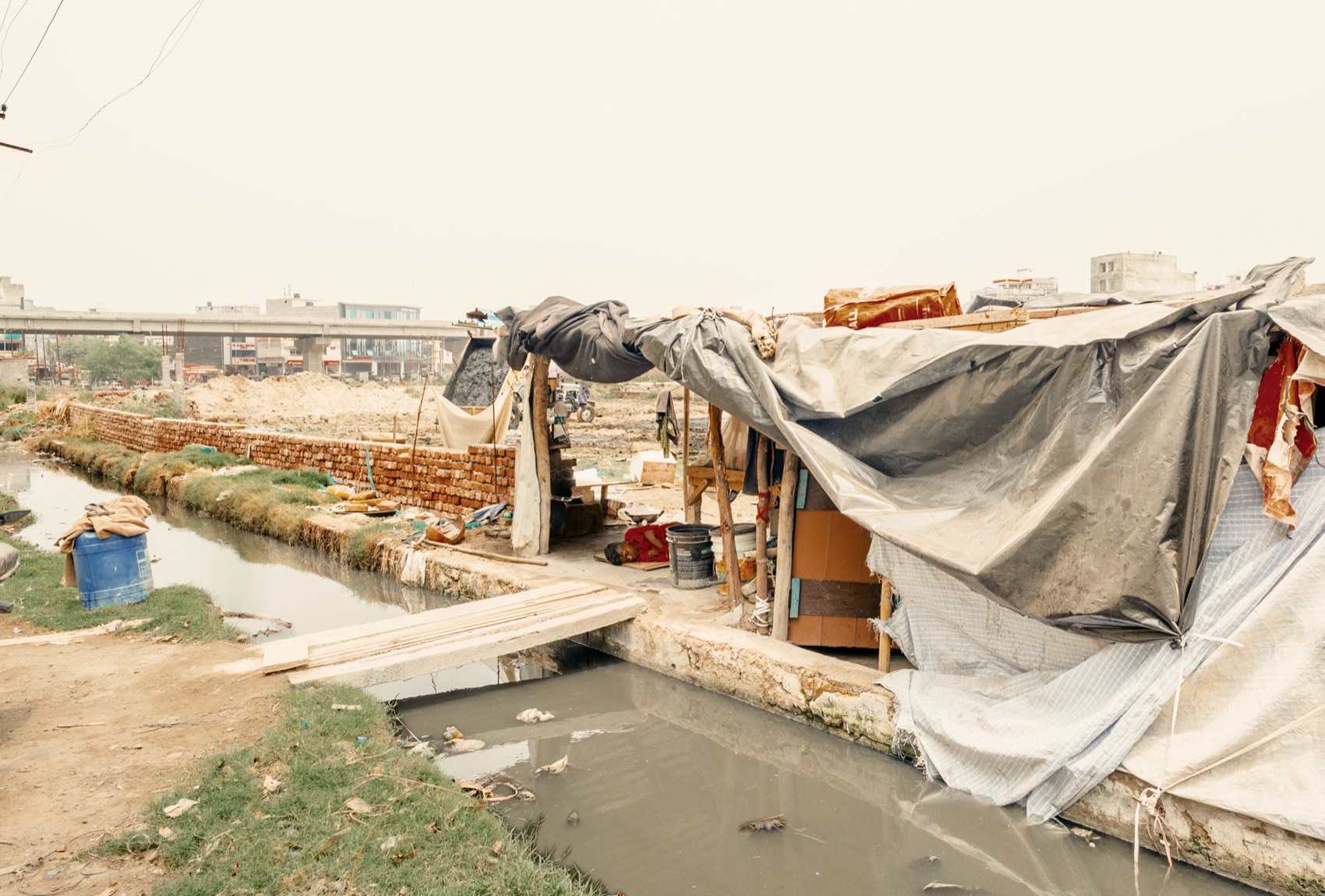
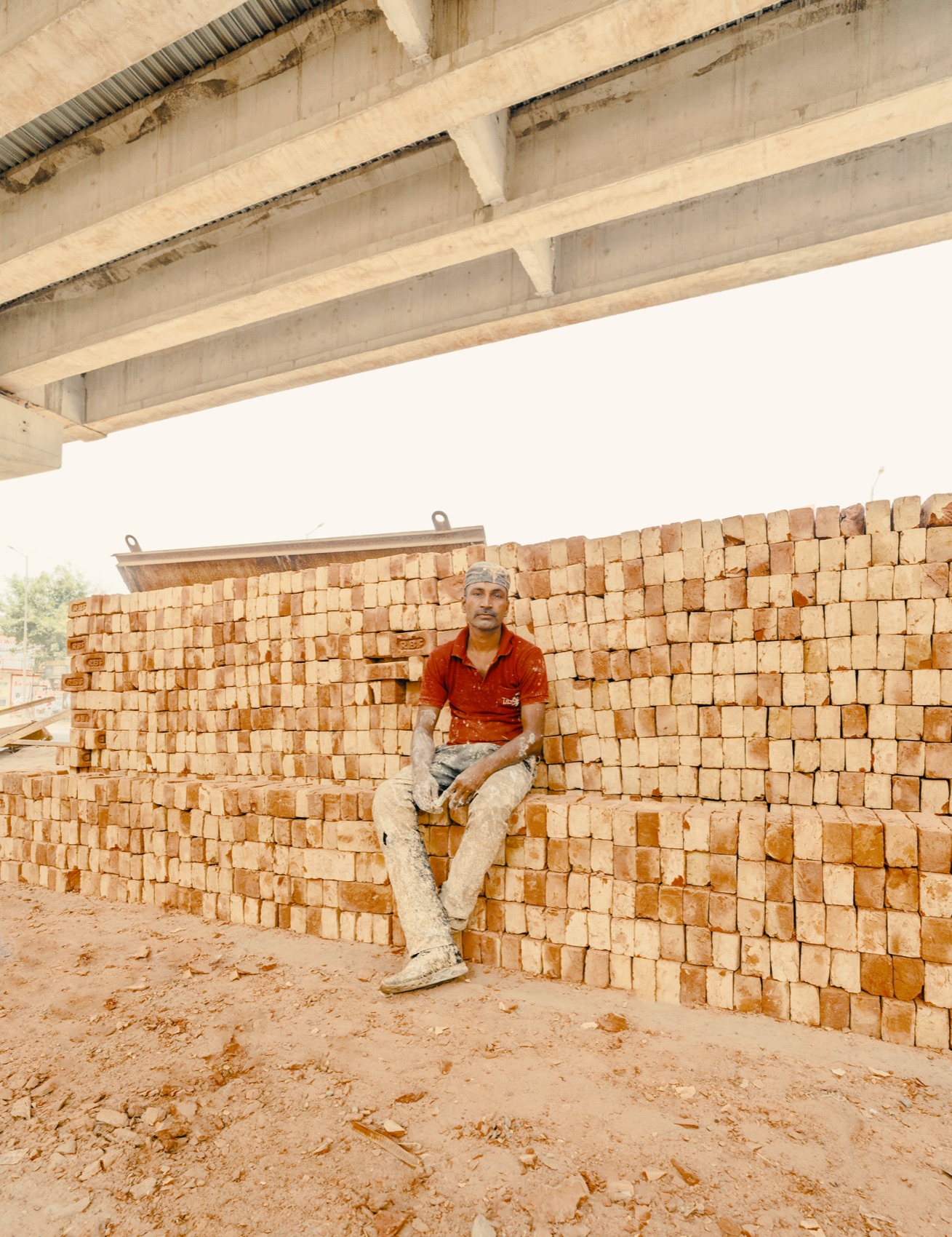
Noida was built in 1976 on agricultural land outside Delhi, conceived as an industrial township and designed for output. Fifty years later it is a city of millions, its modernity declared in planned sectors and concrete grids. I spent thirteen years growing up inside it before leaving for Bristol.
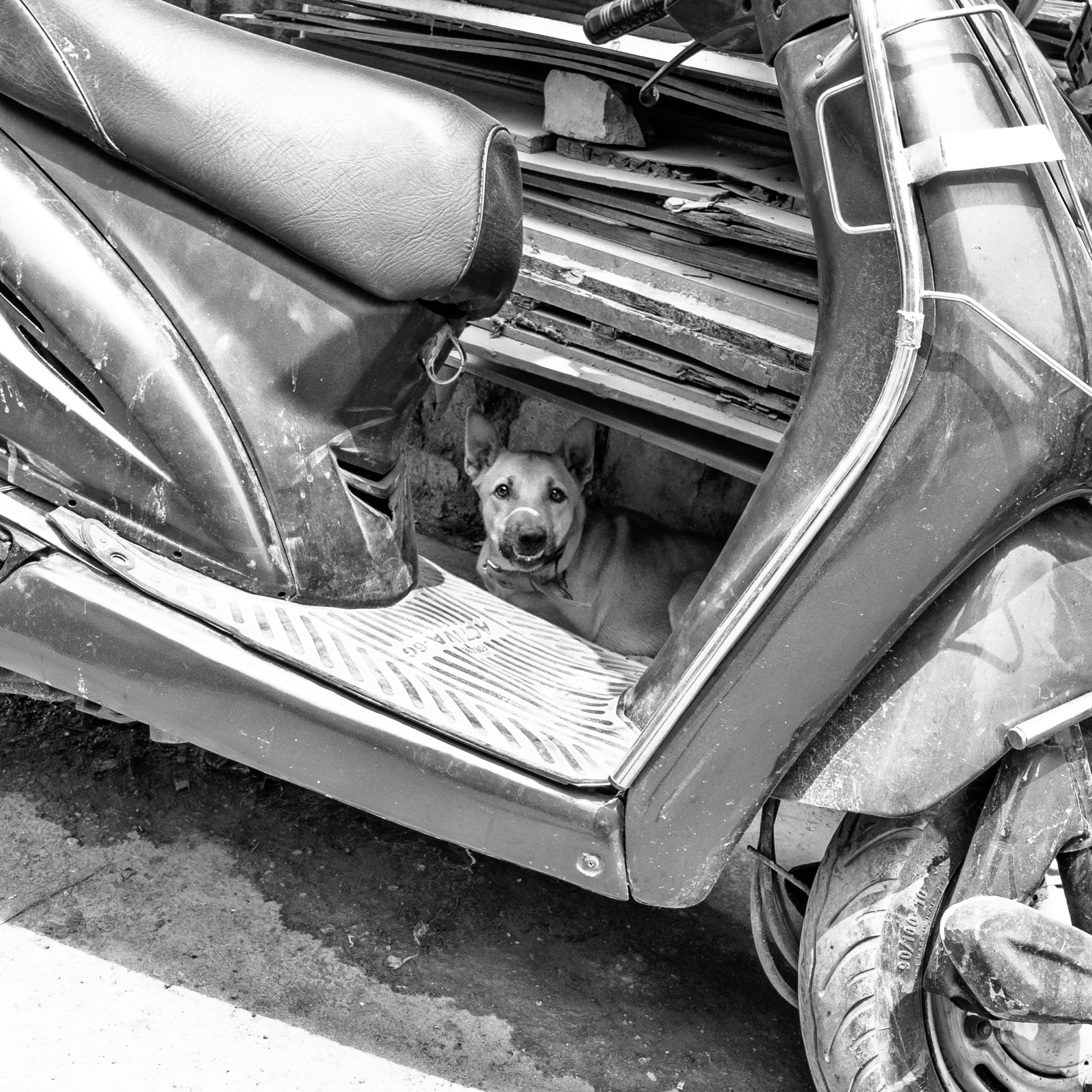
The places my parents come from are different in kind. Kotdwar, in the Himalayan foothills of Uttarakhand. Sikandrabad, on the outskirts of Delhi. Dense, ungoverned by master plan, shaped by time and kinship rather than capital. I made the journeys between these places for years before I understood I had been looking at something without seeing it.
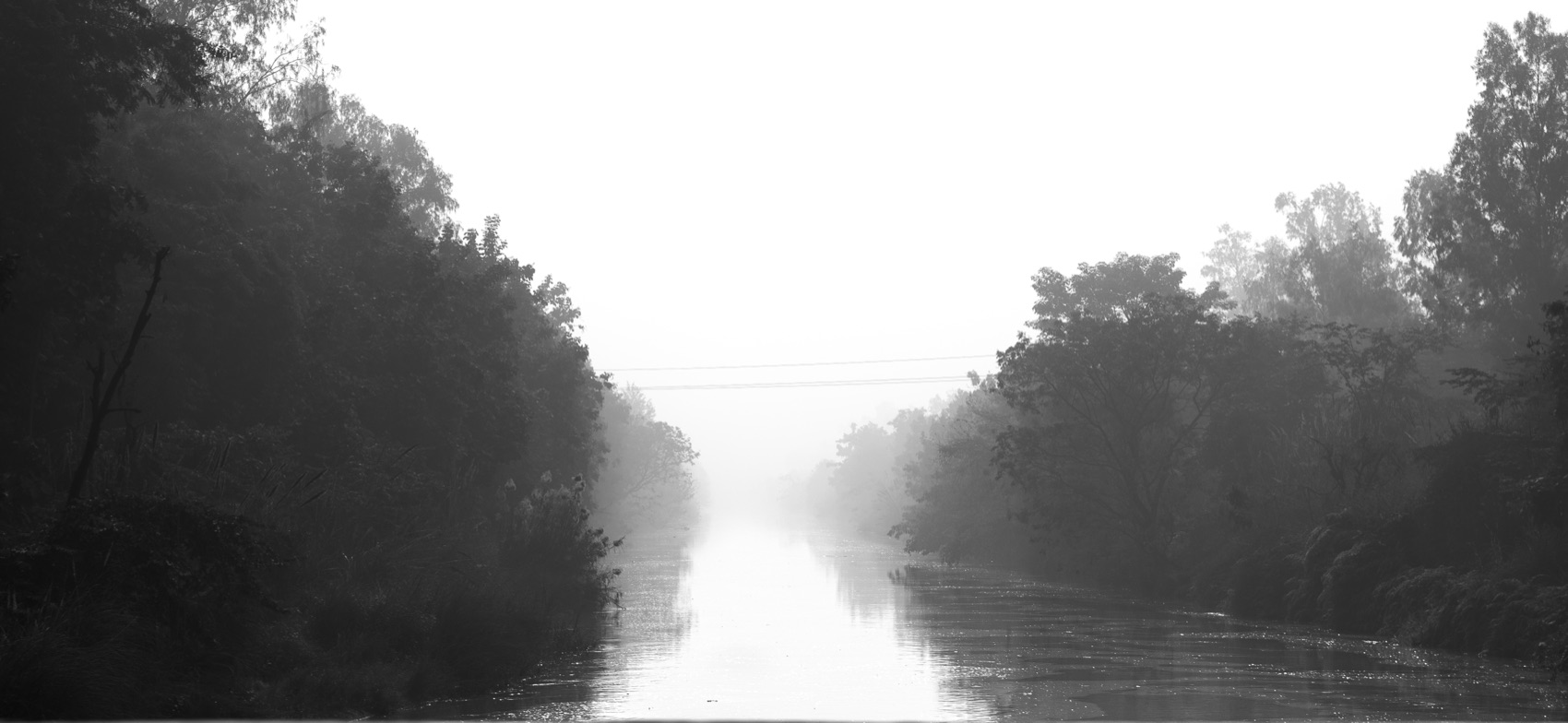
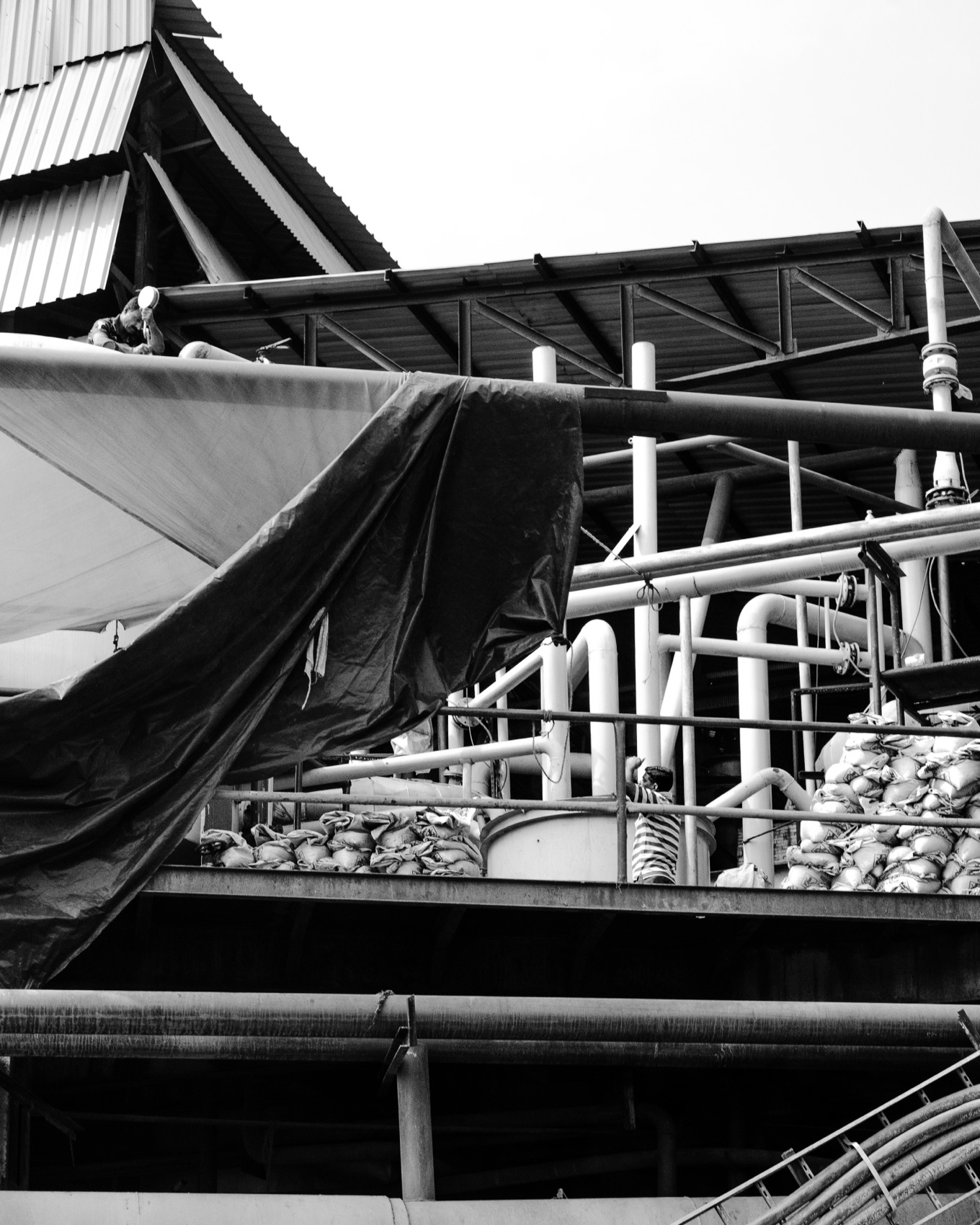
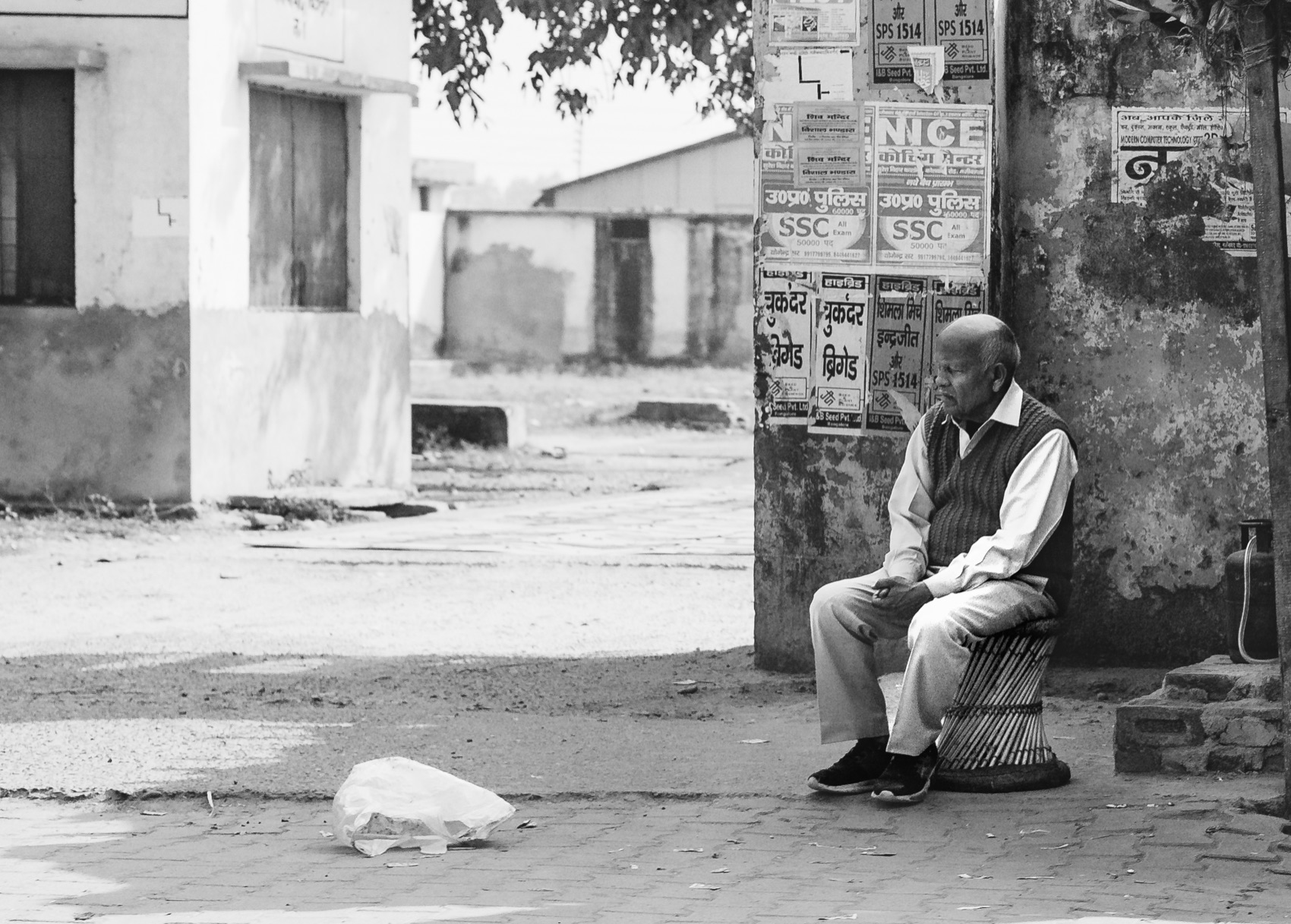
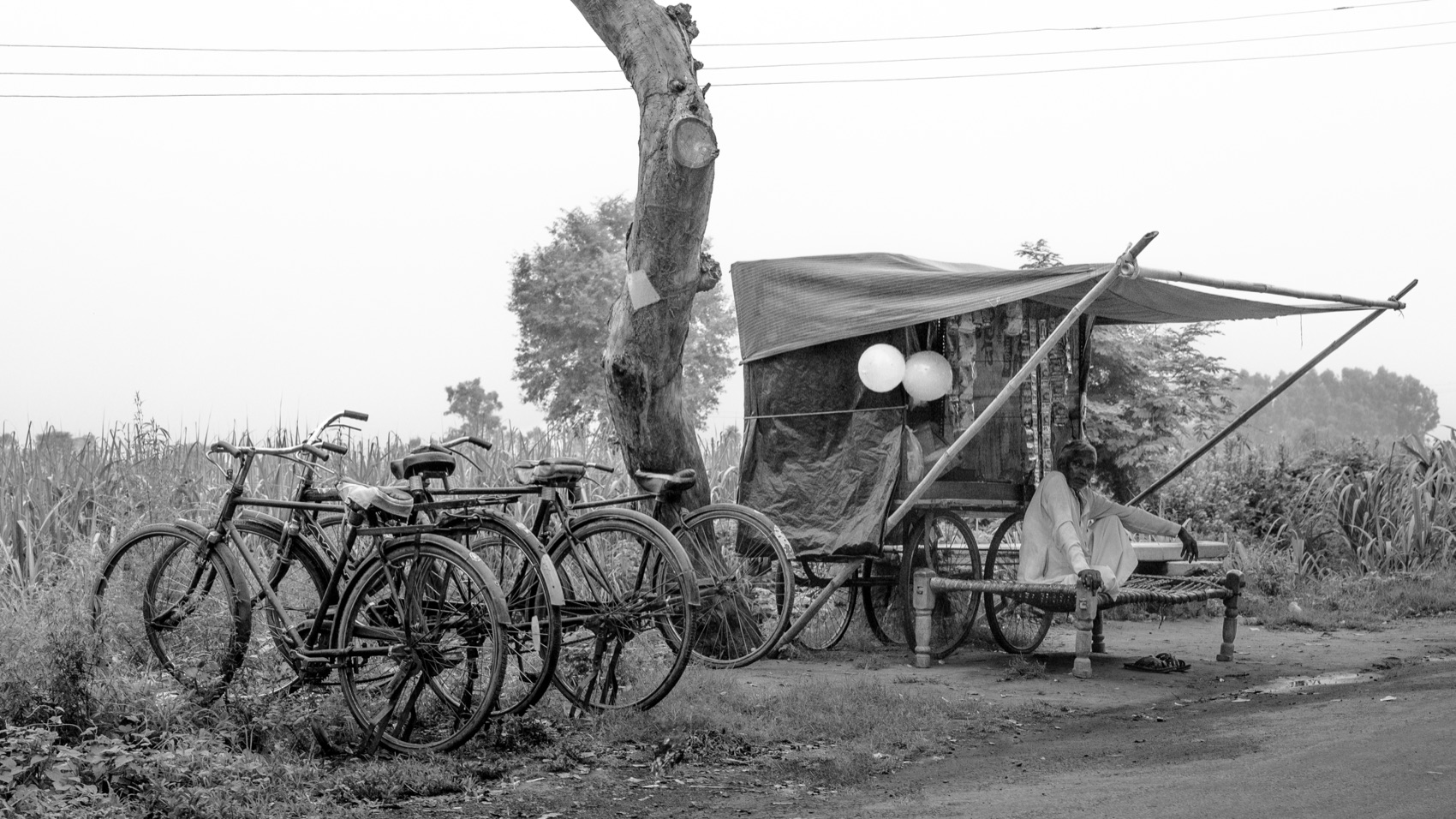
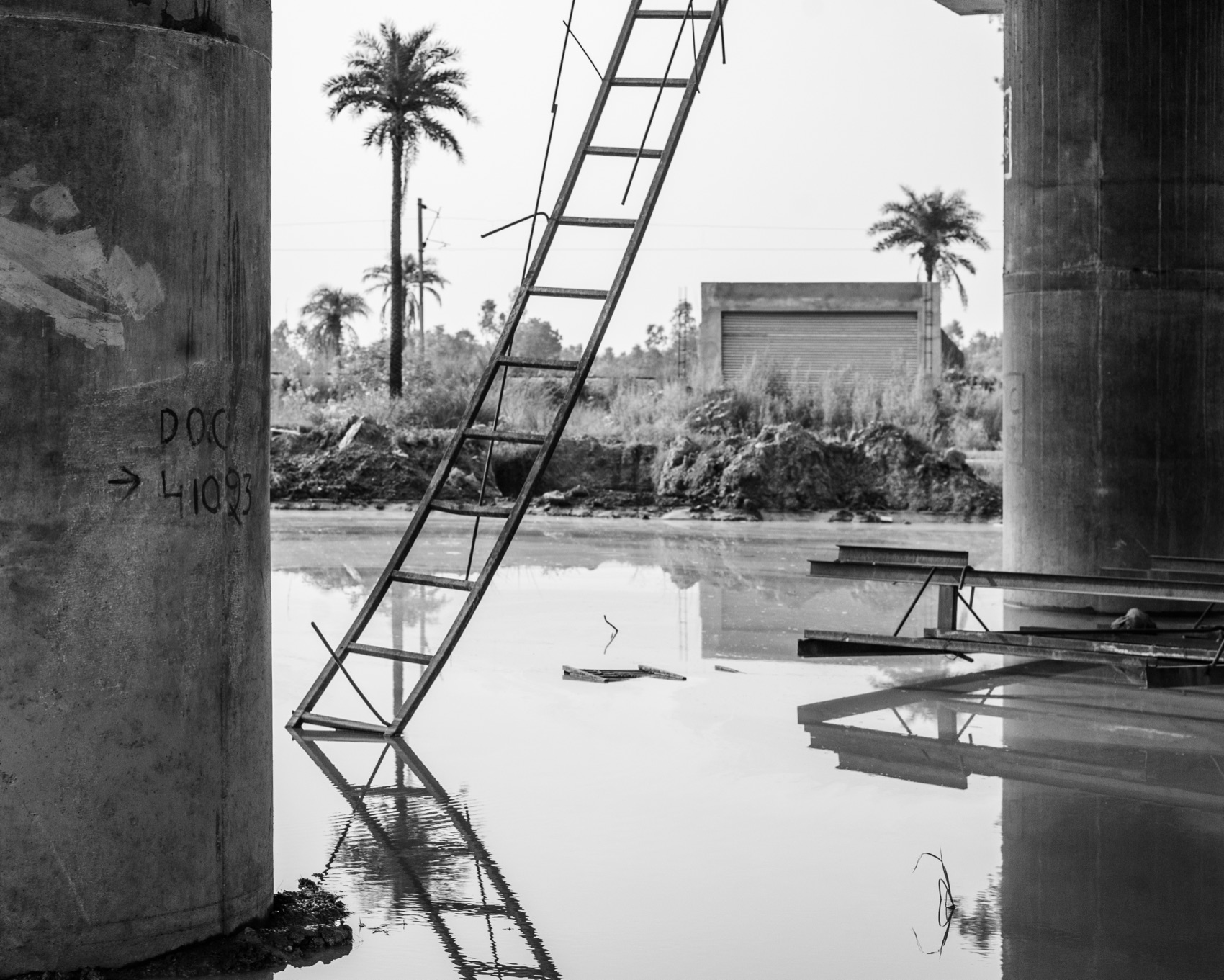
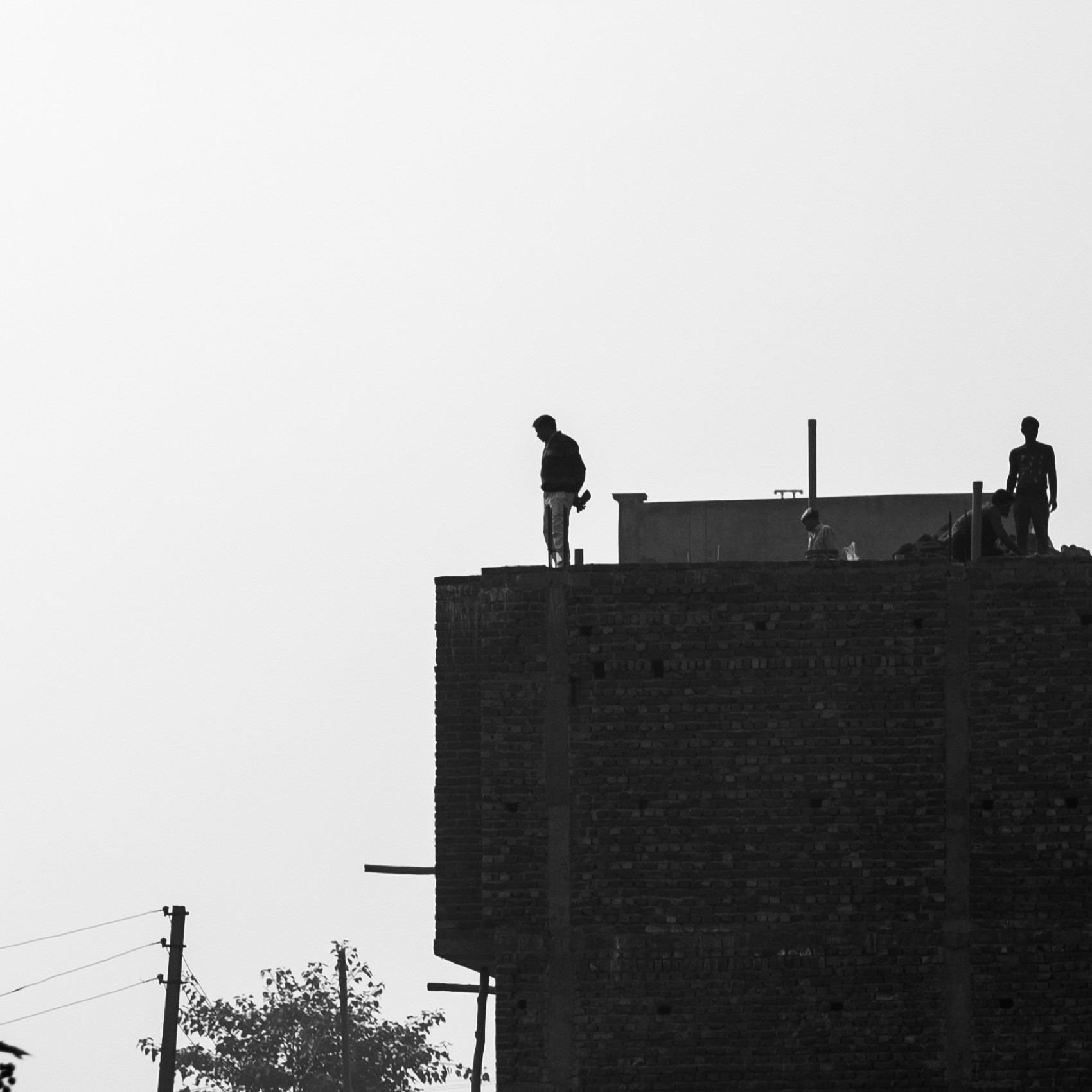

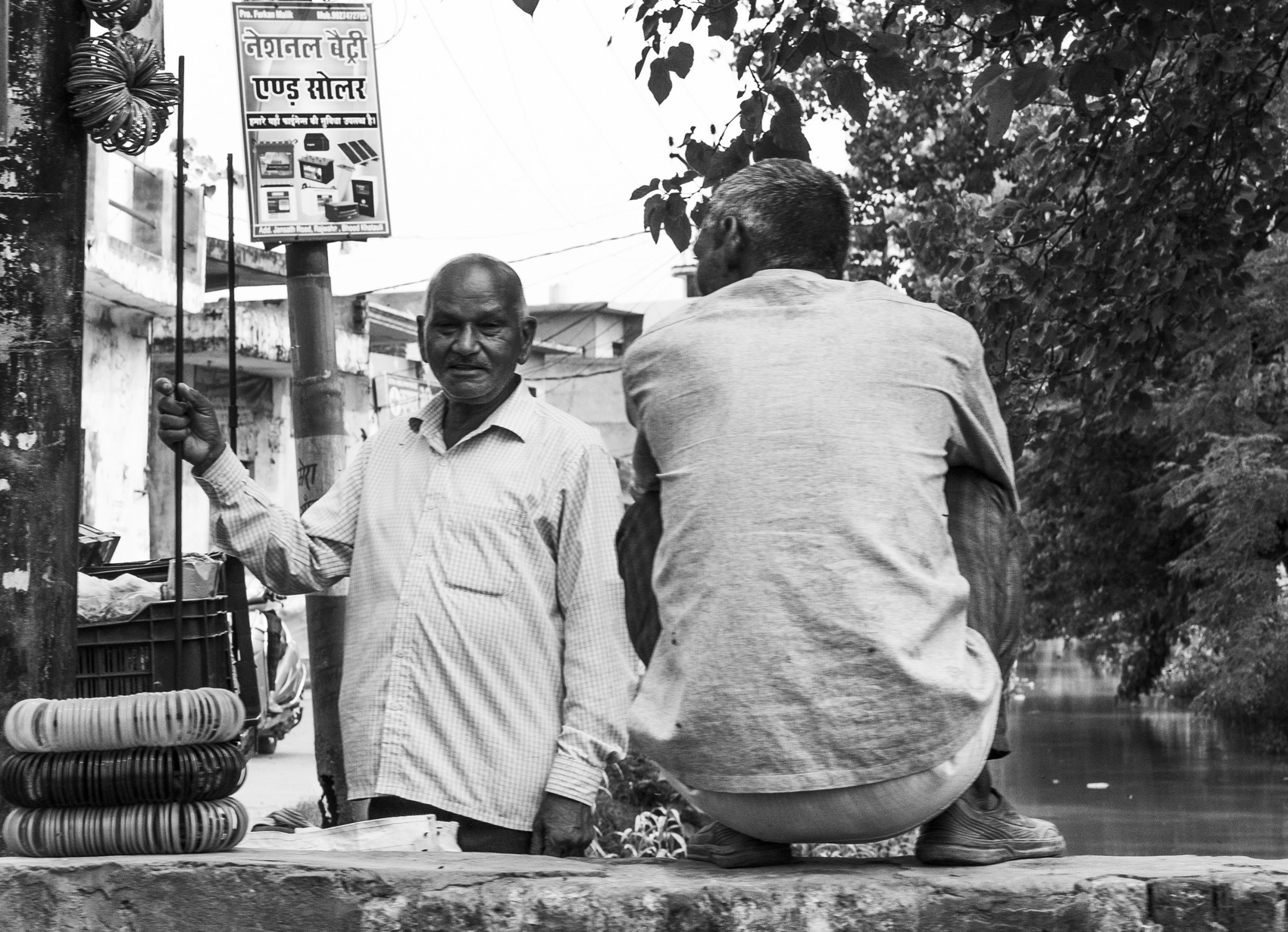

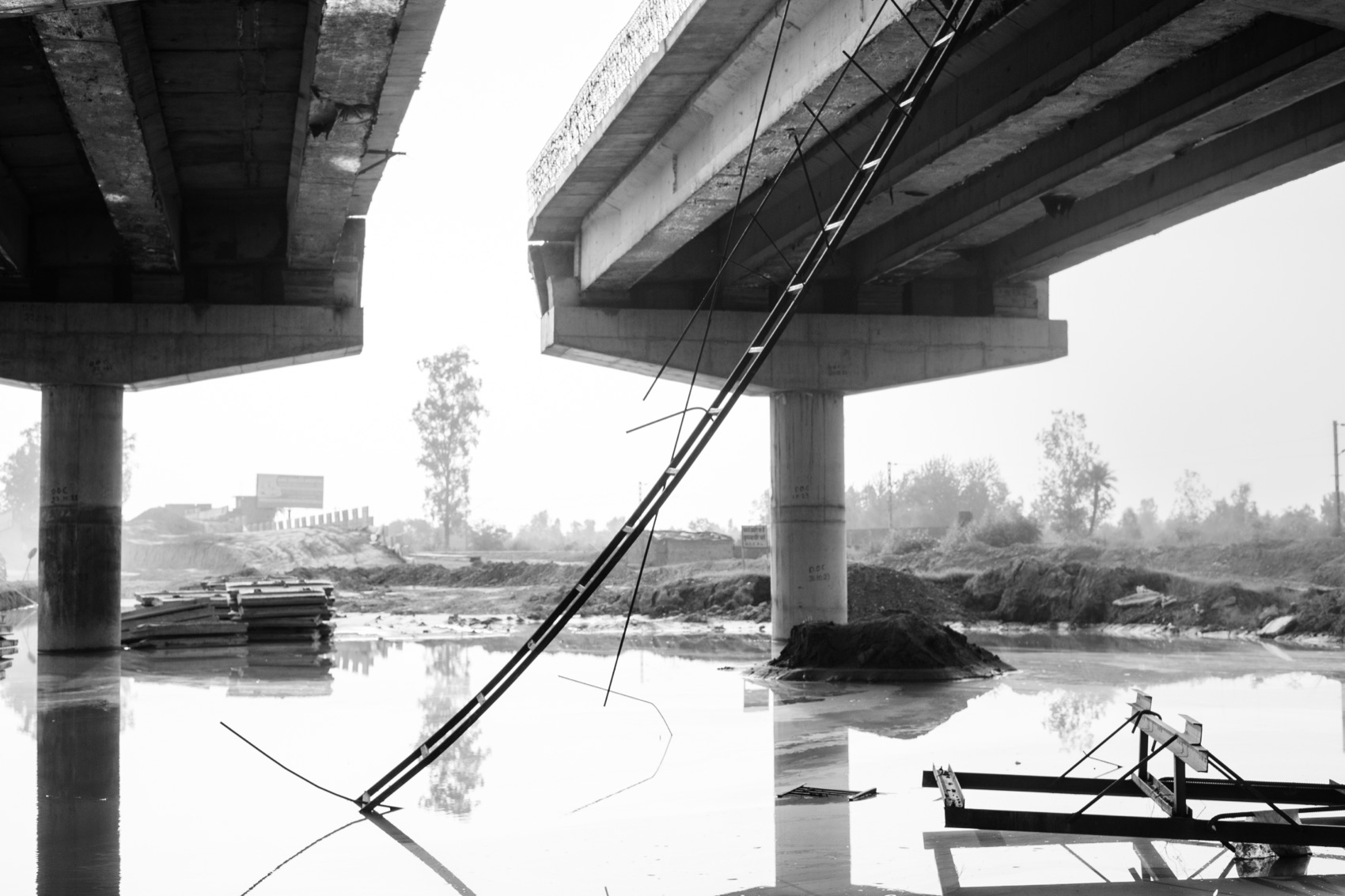
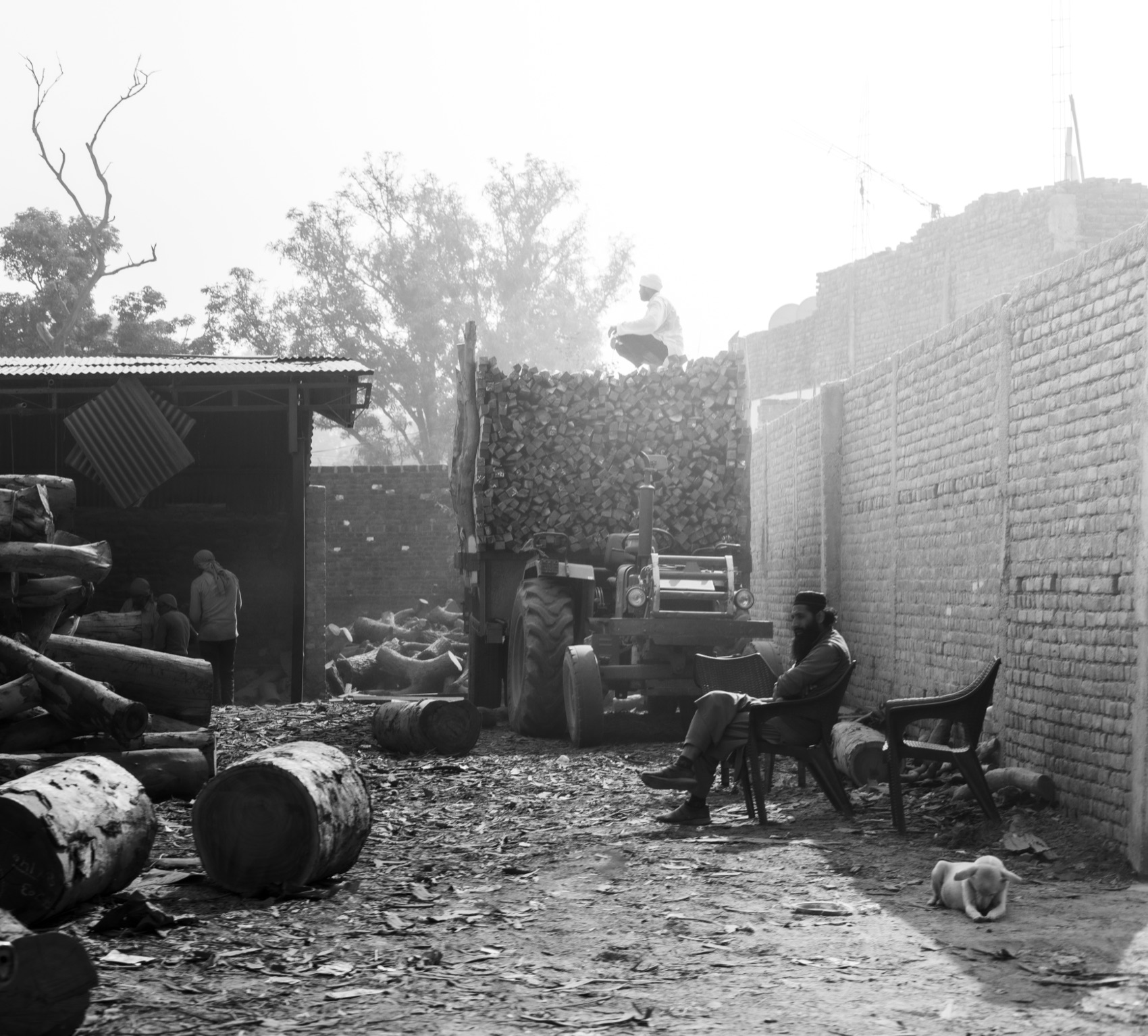
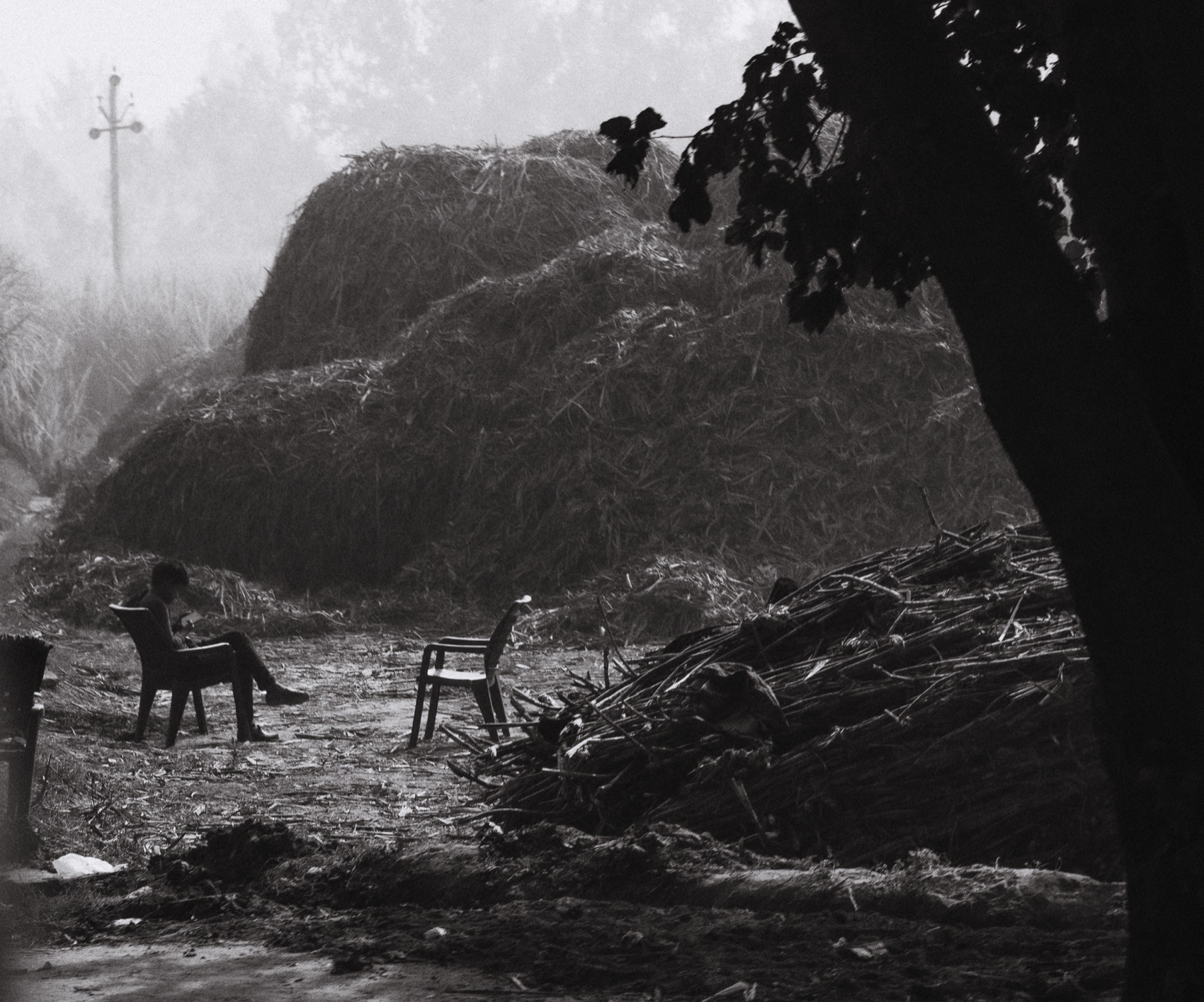
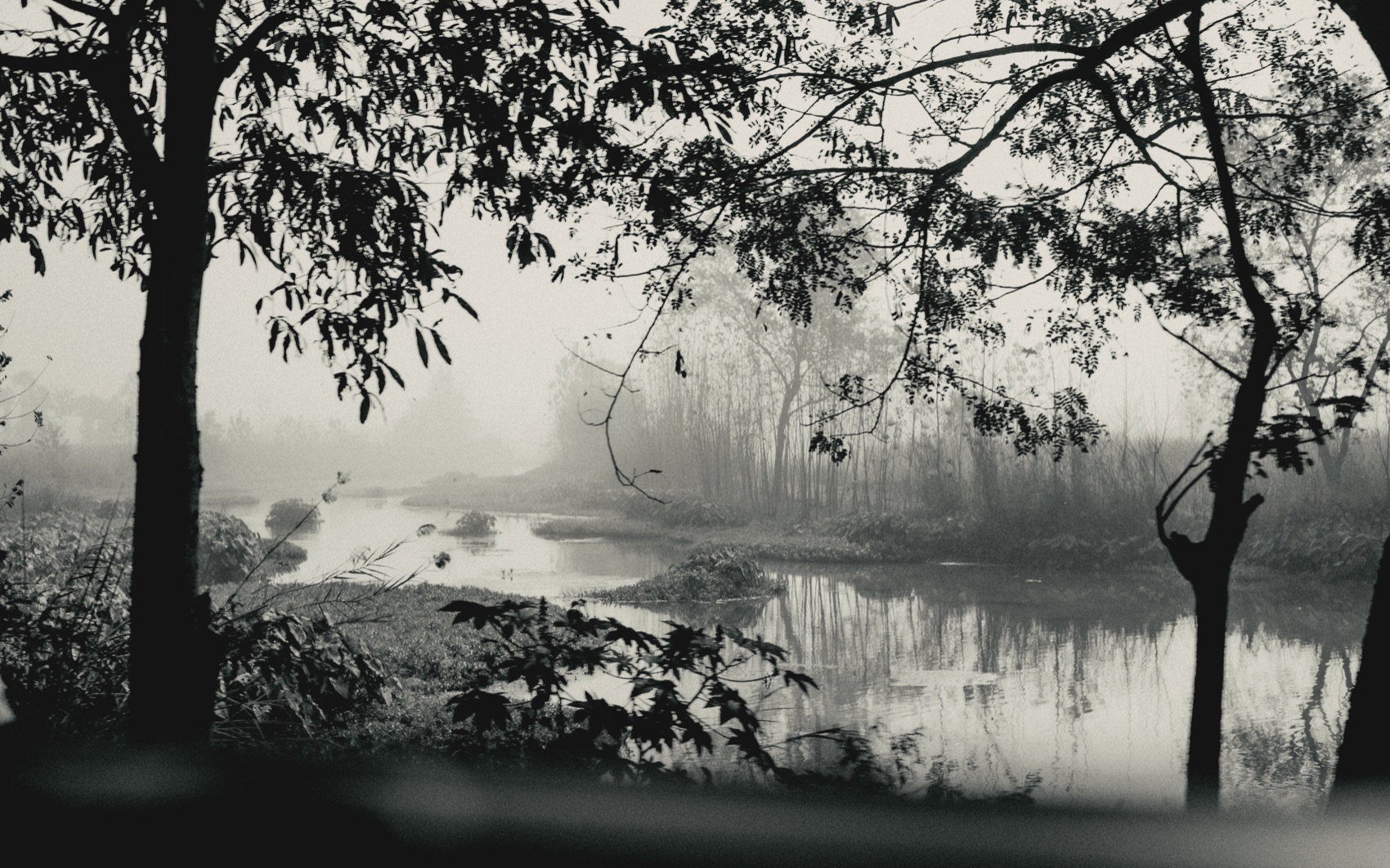
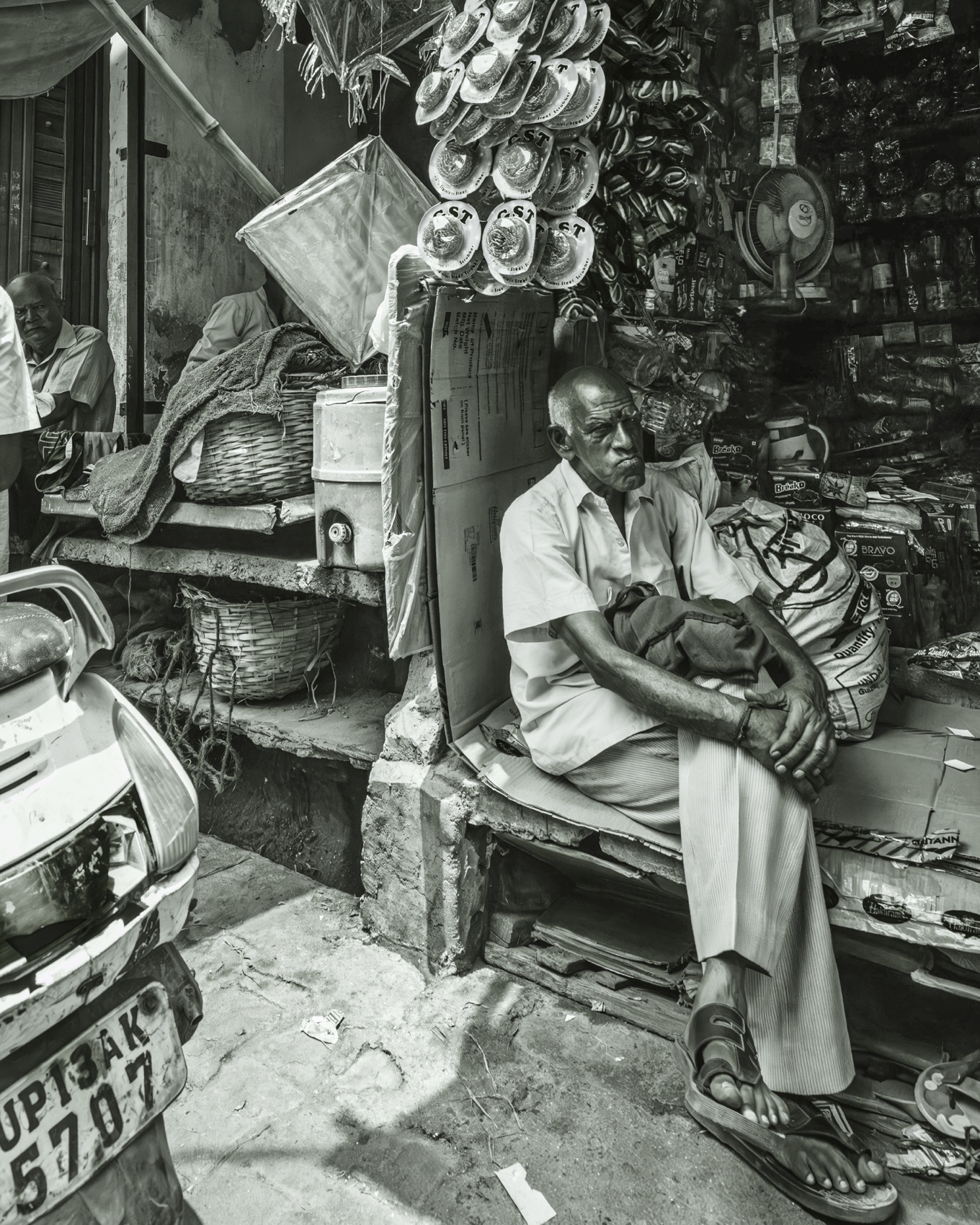
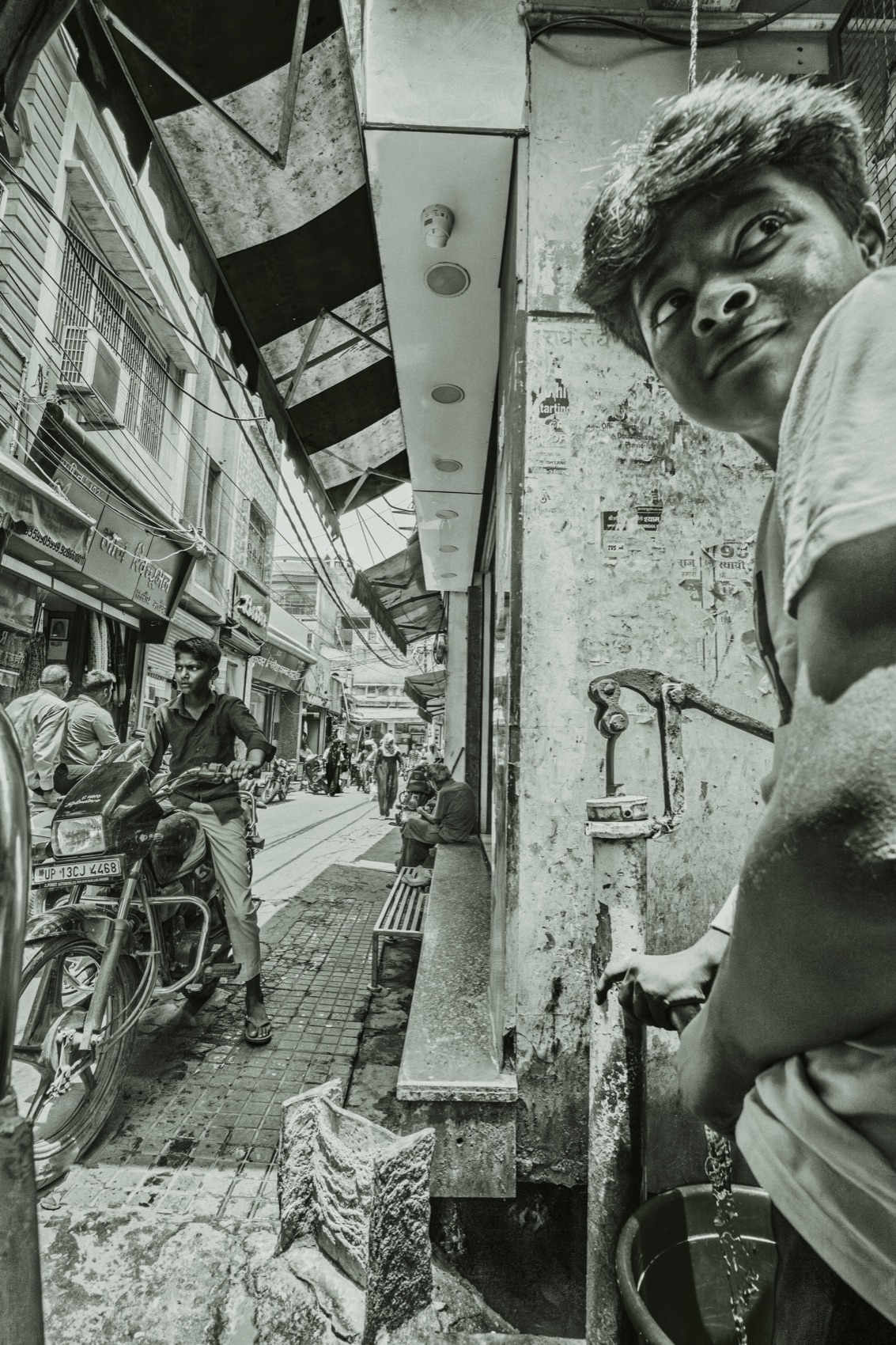

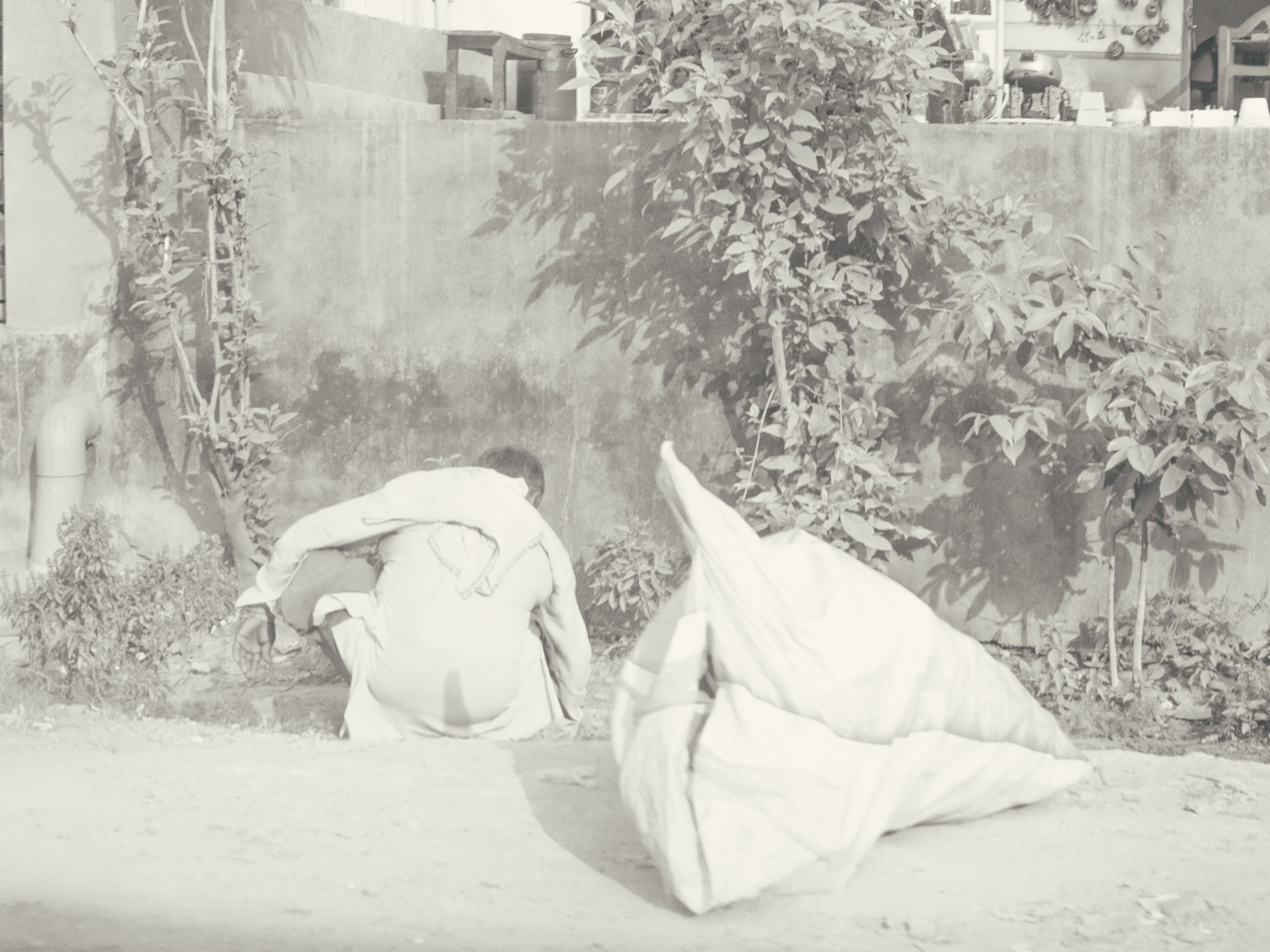
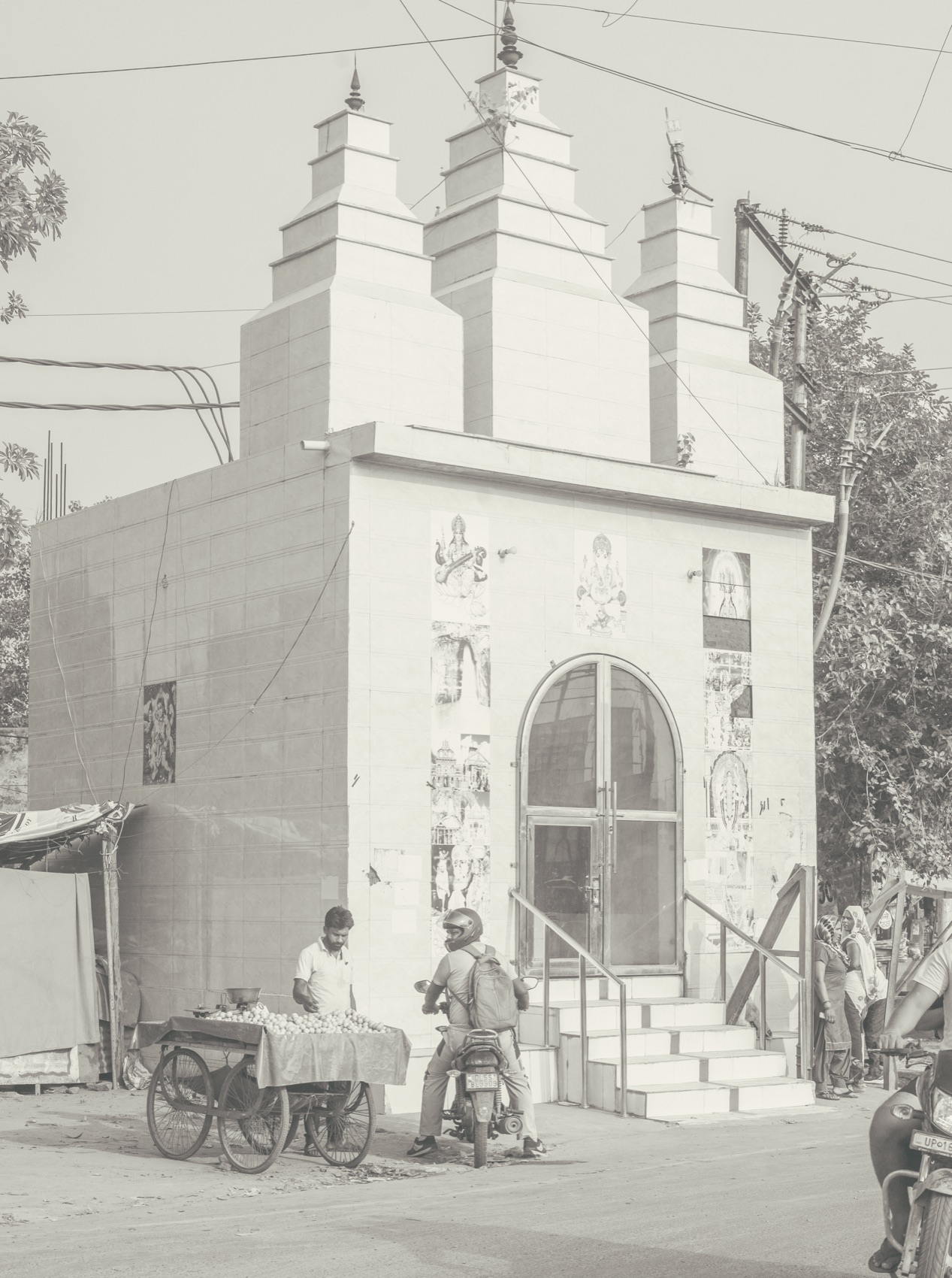
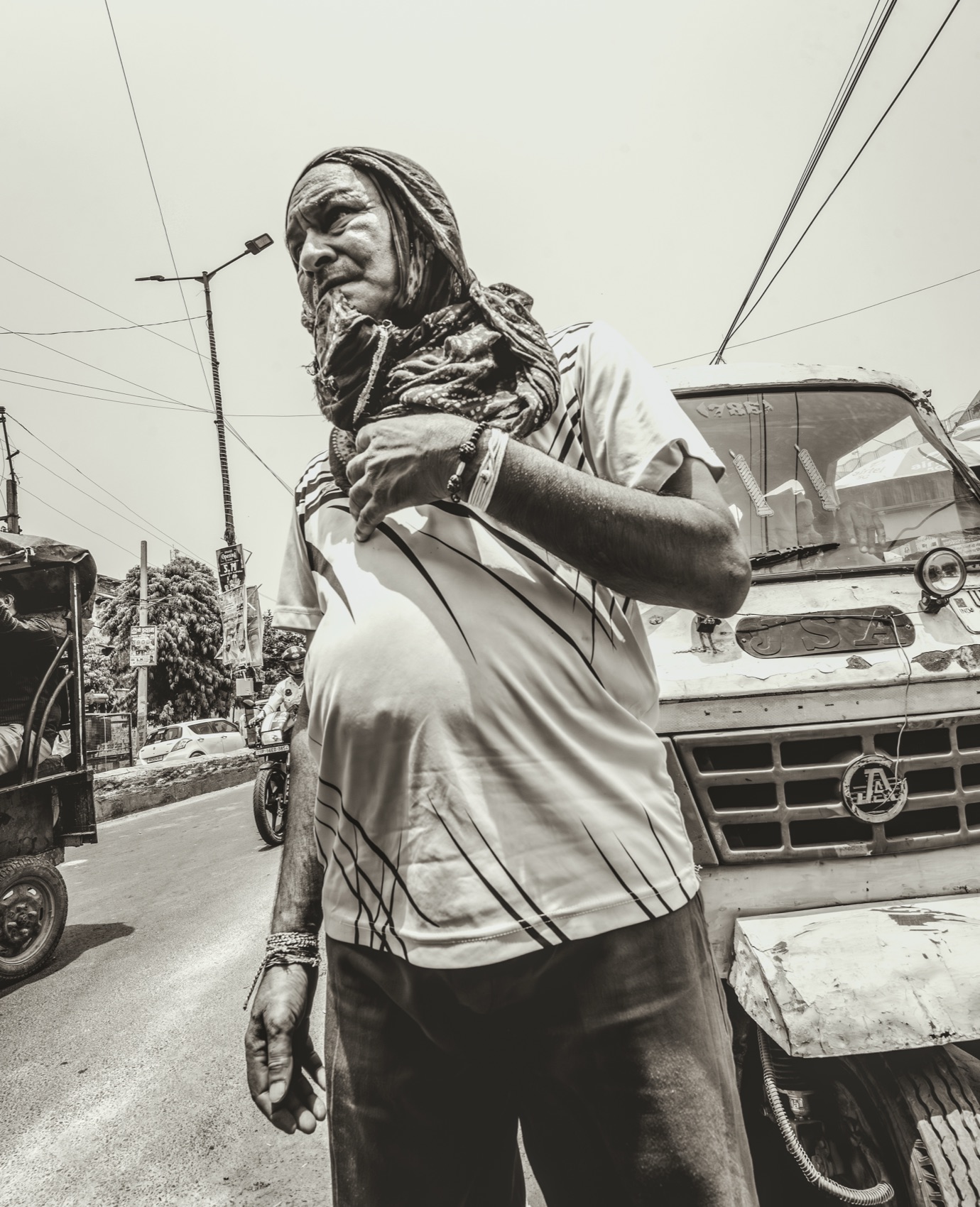
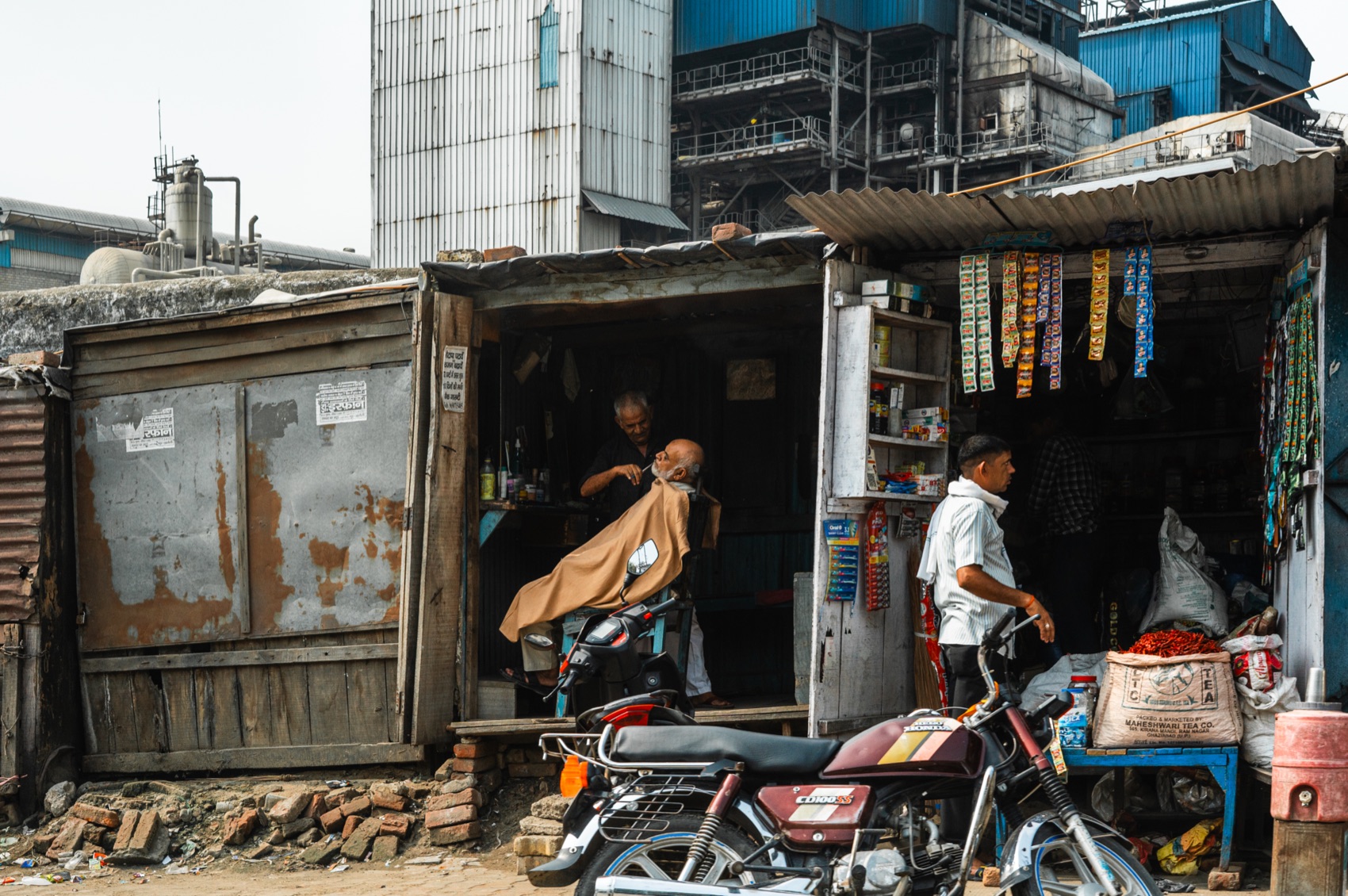
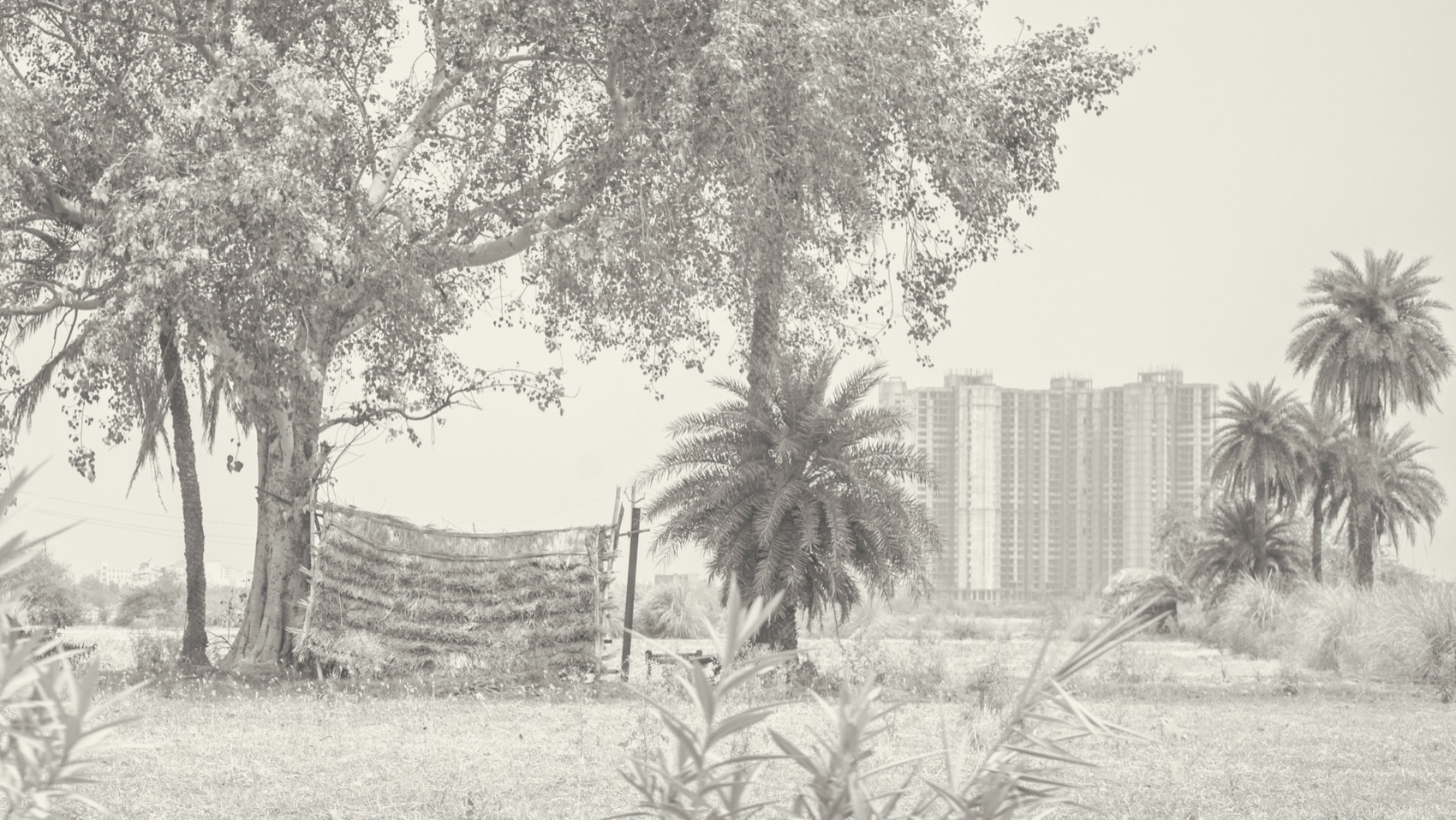
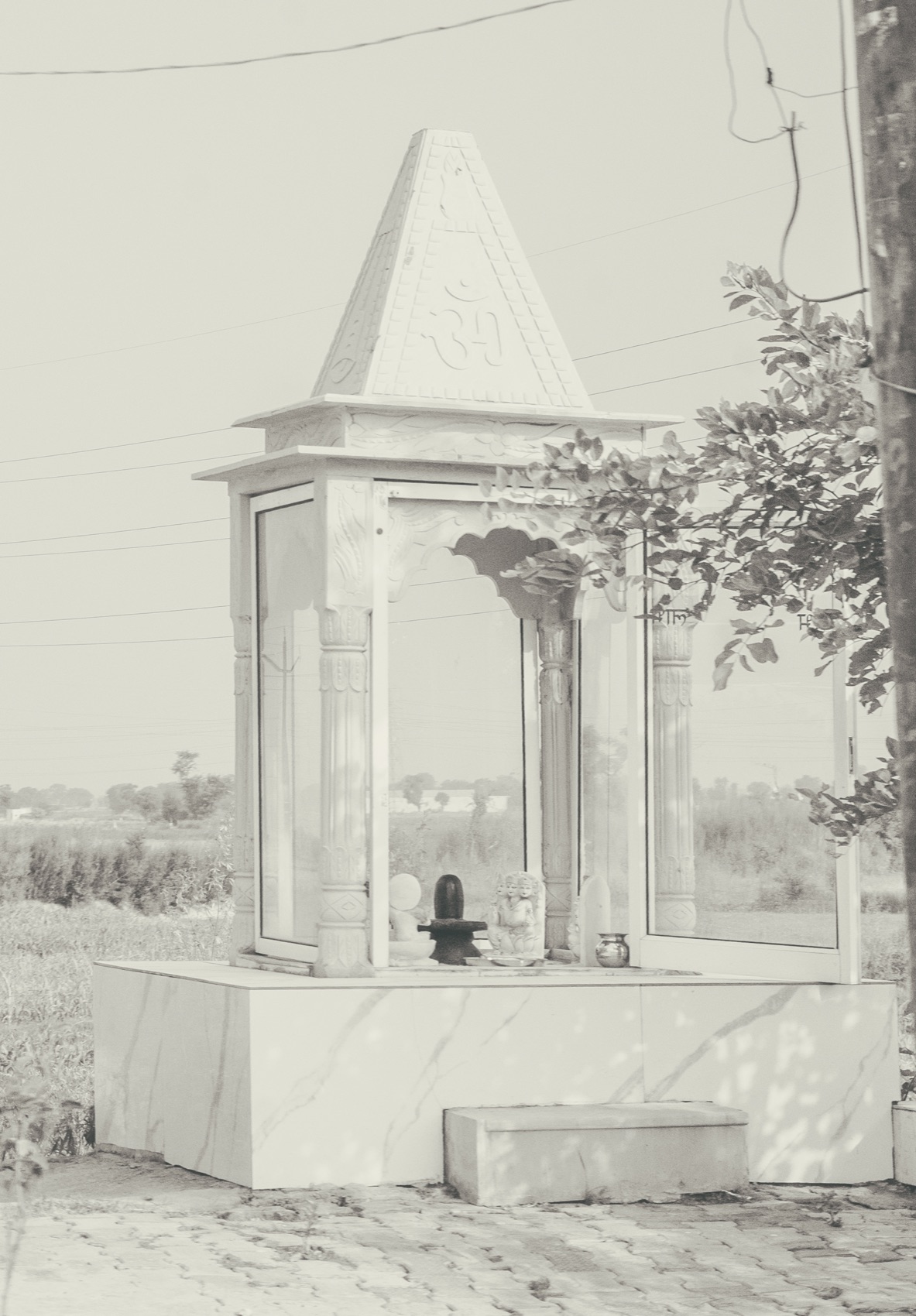
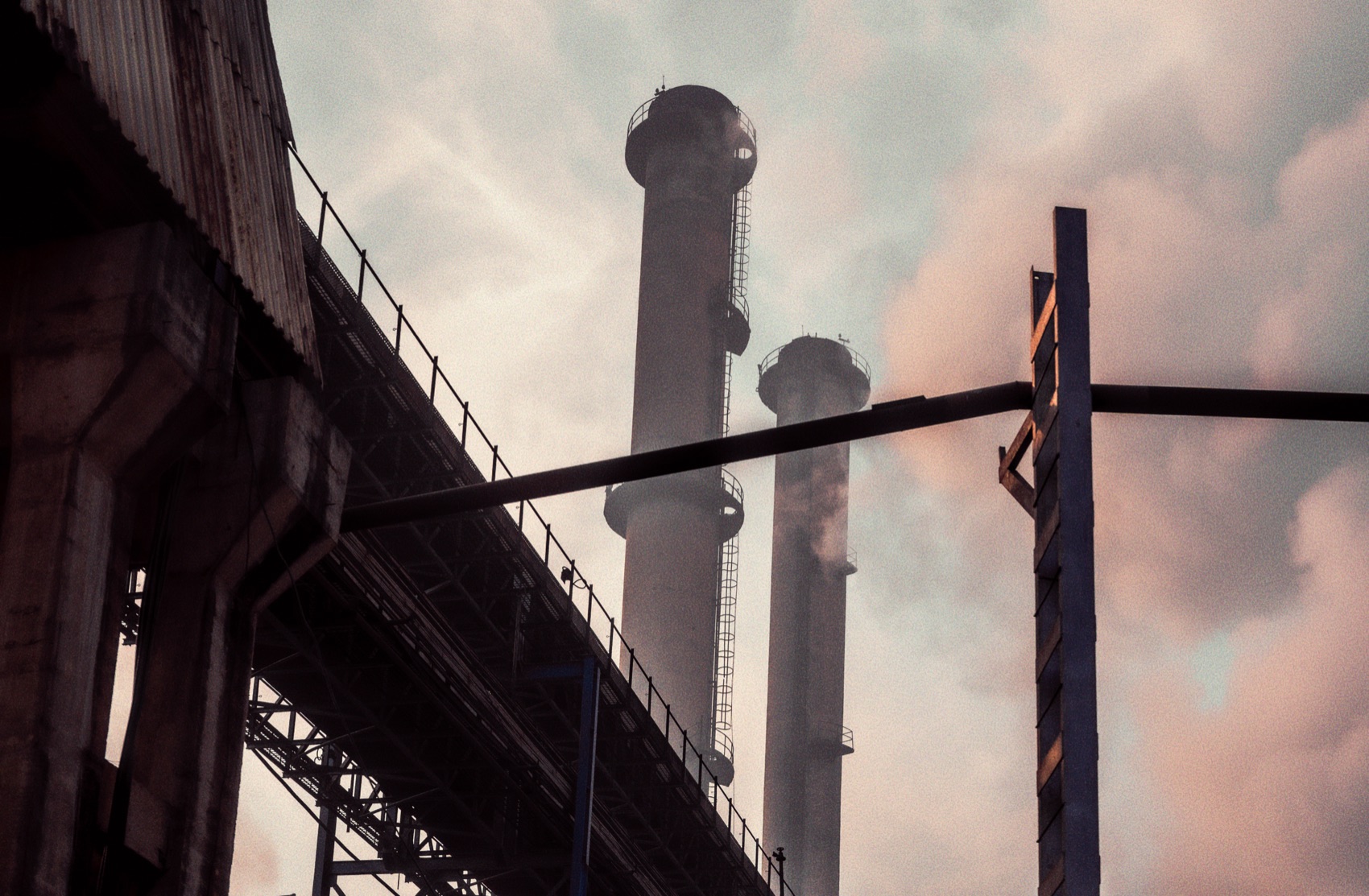
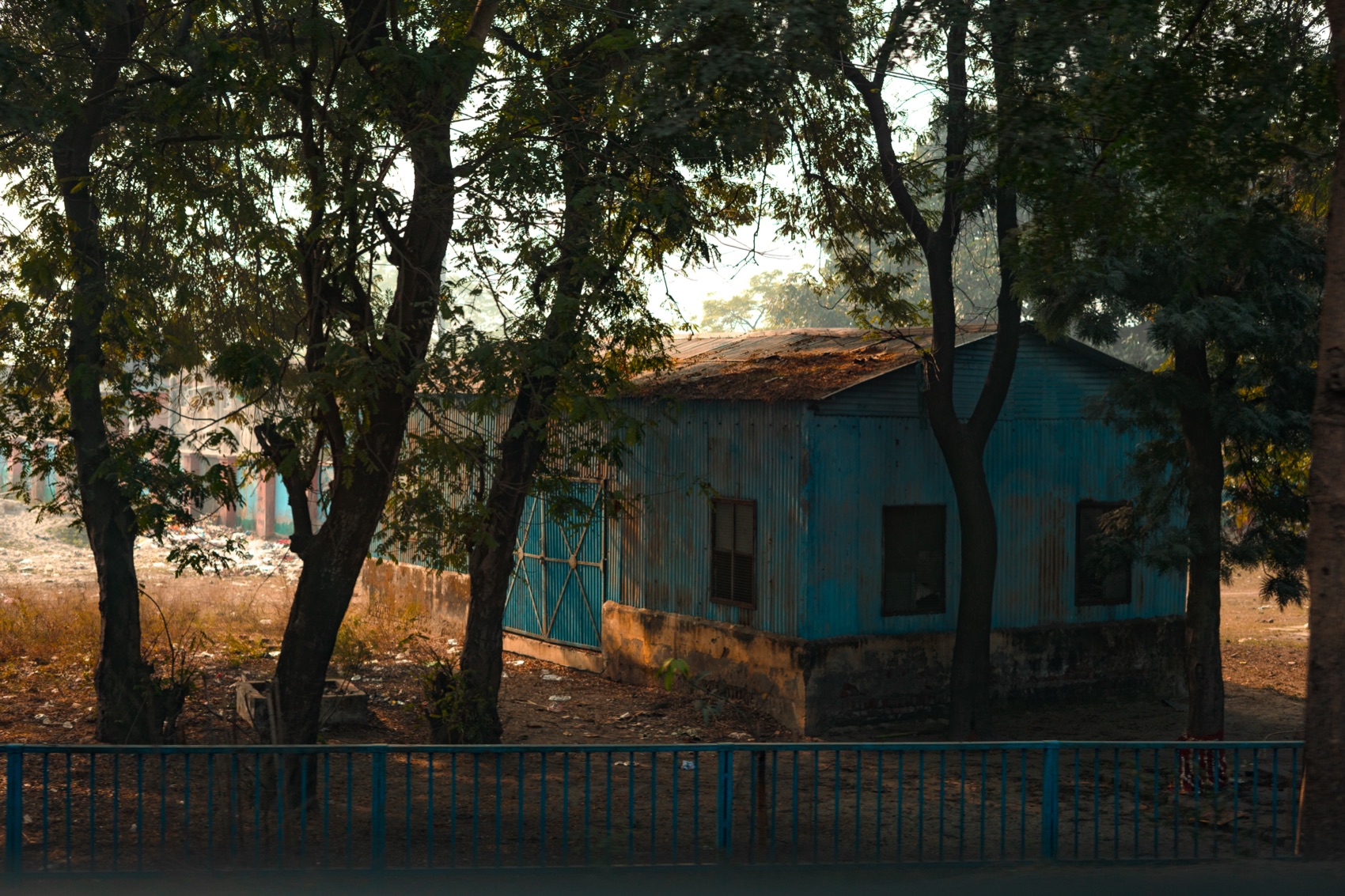
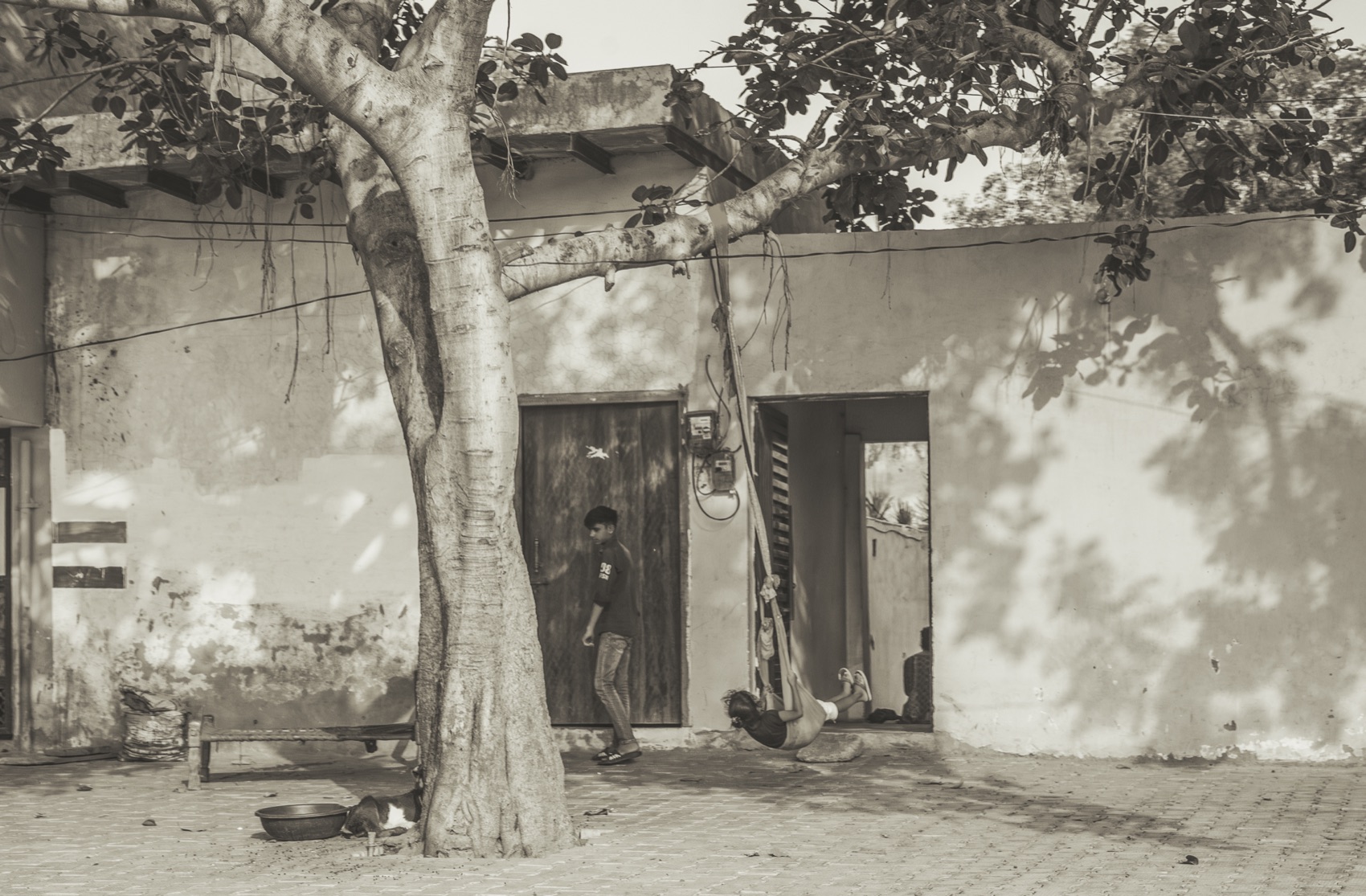
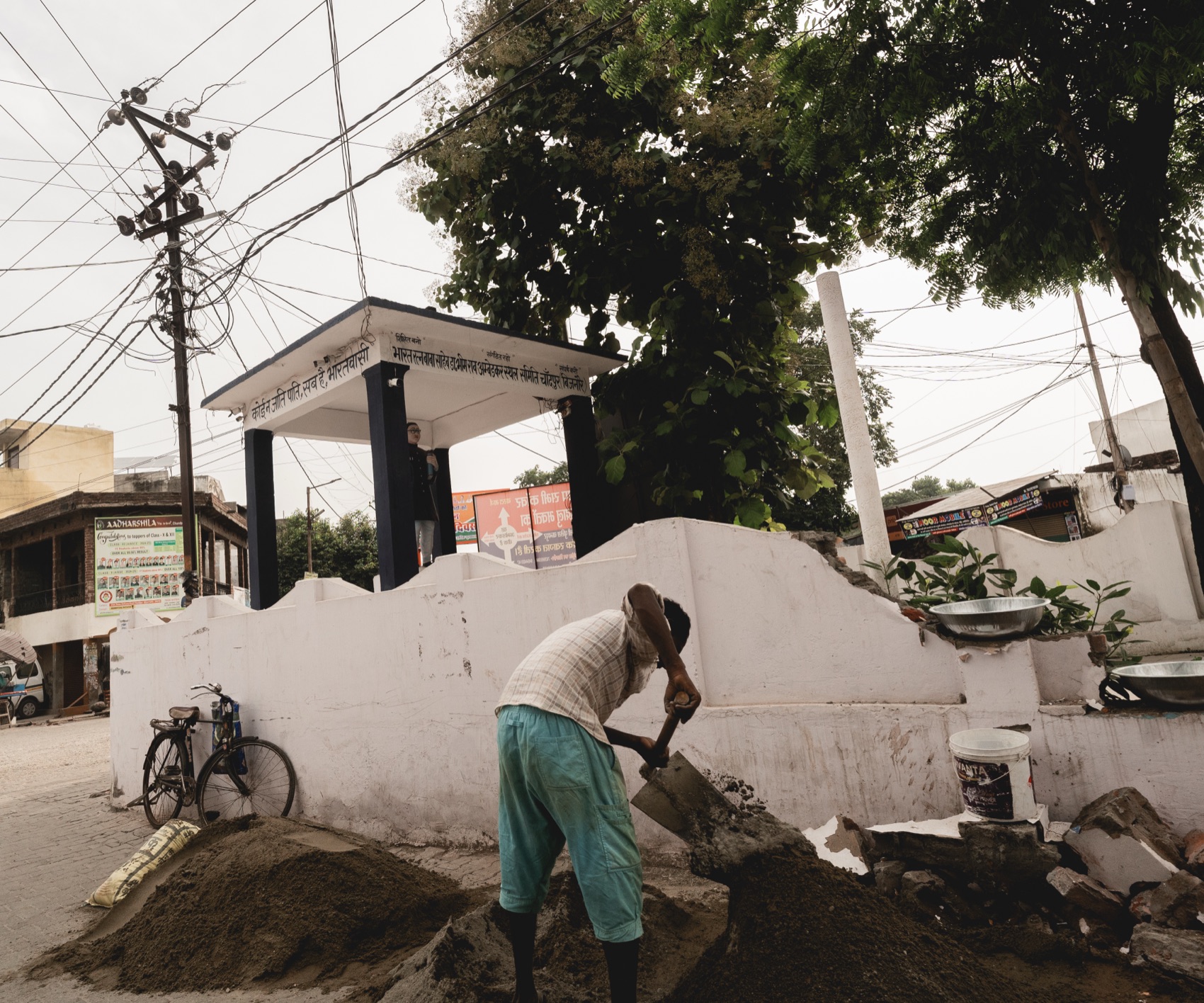
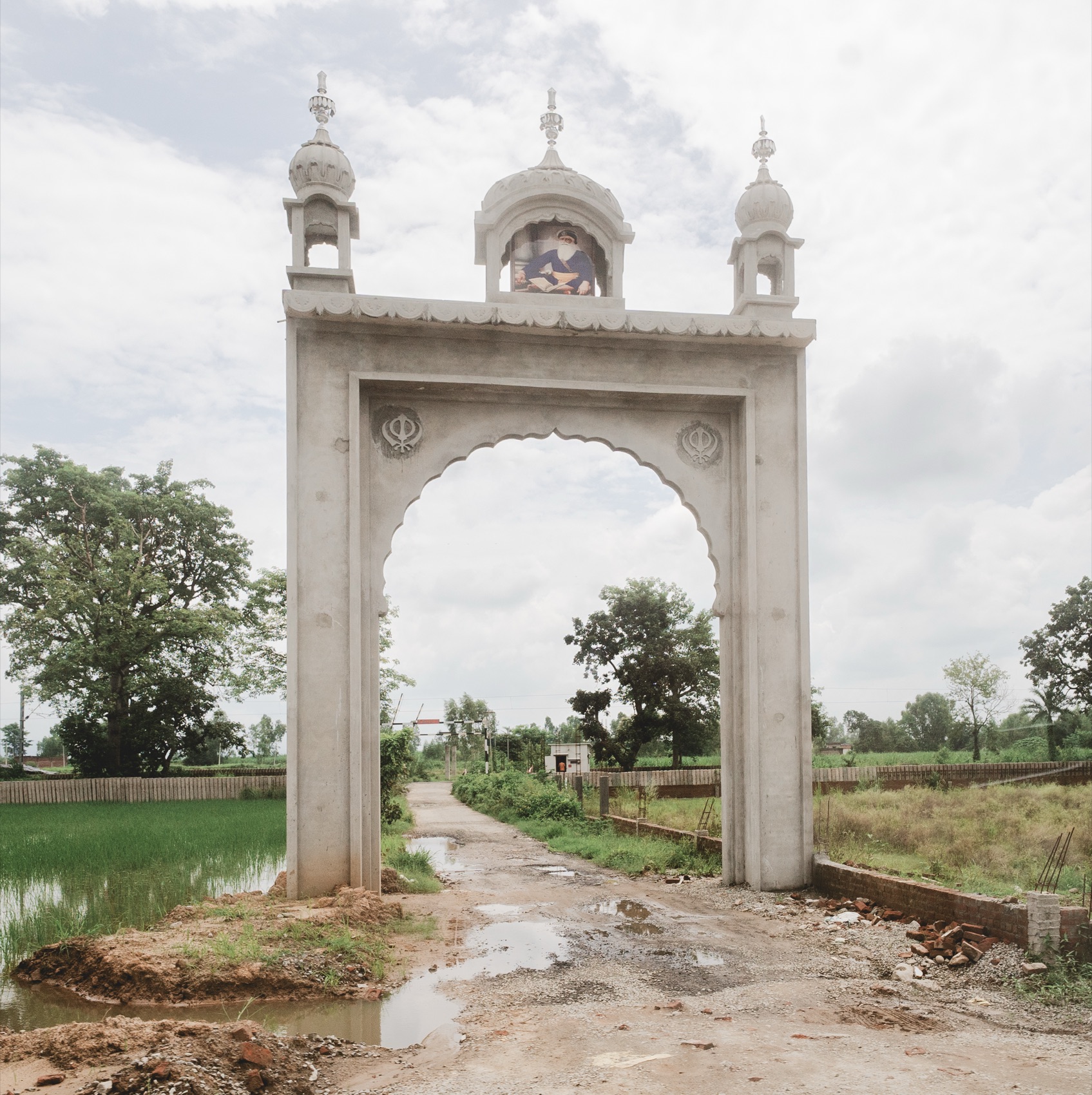
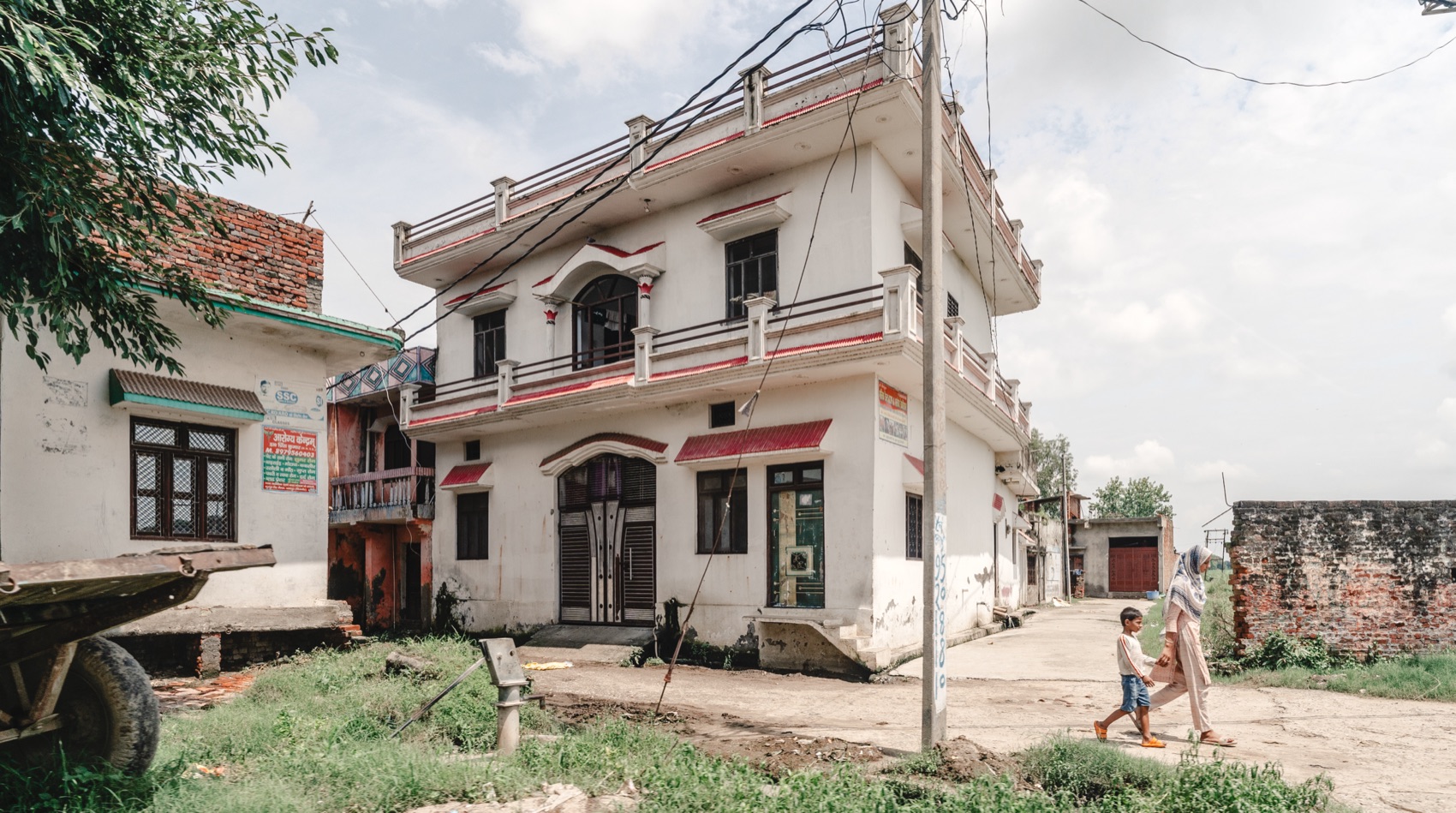
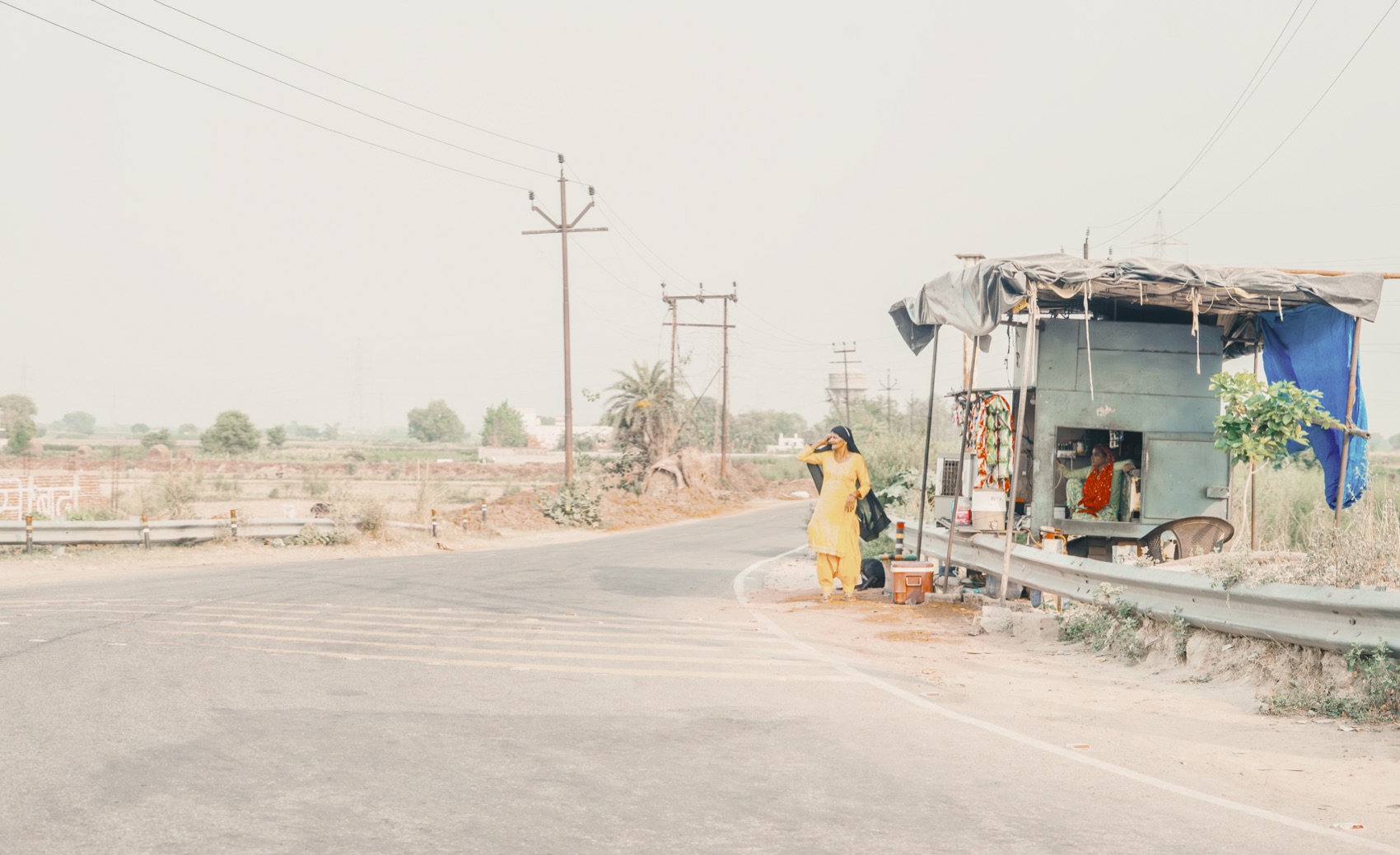
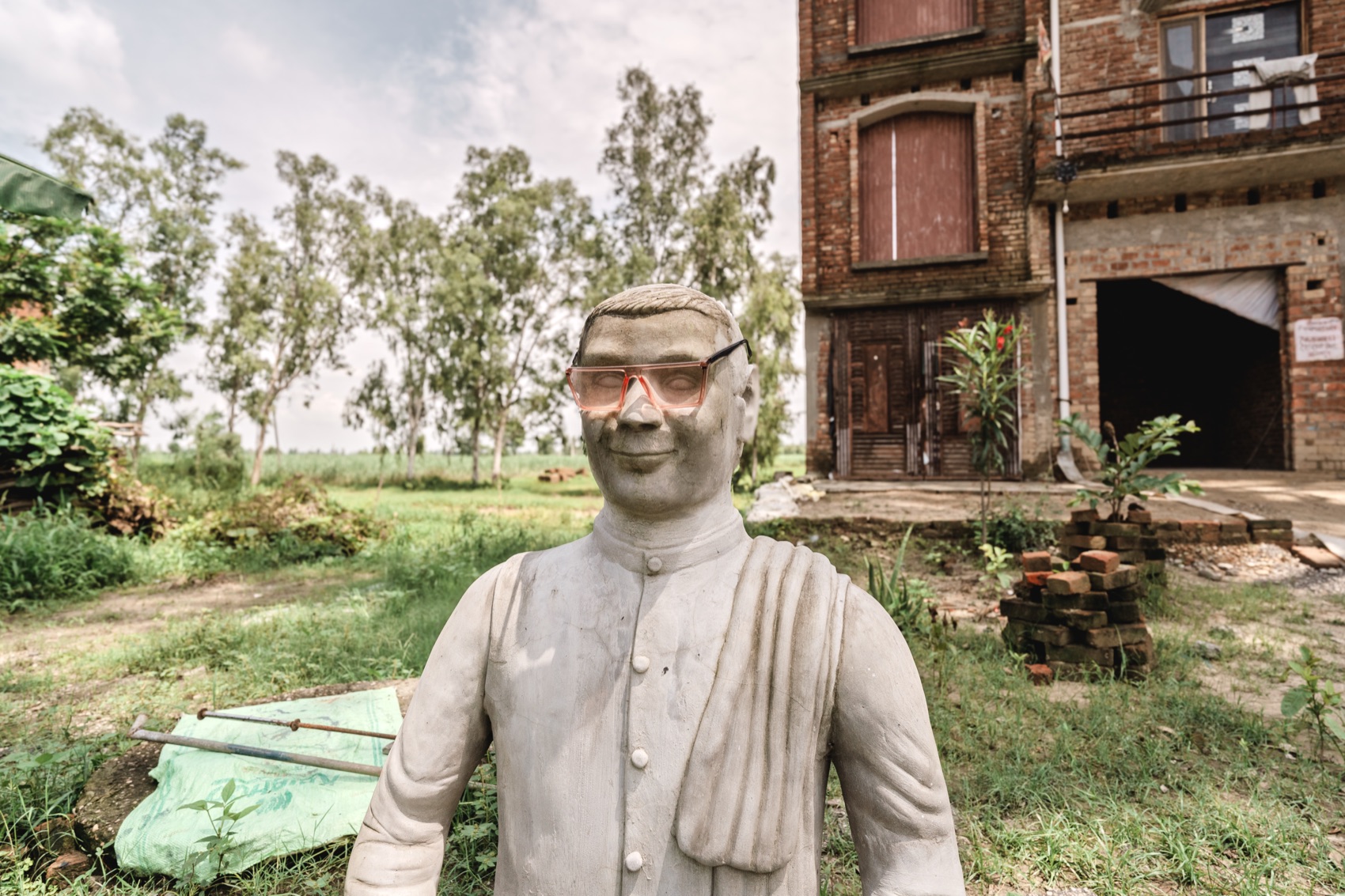
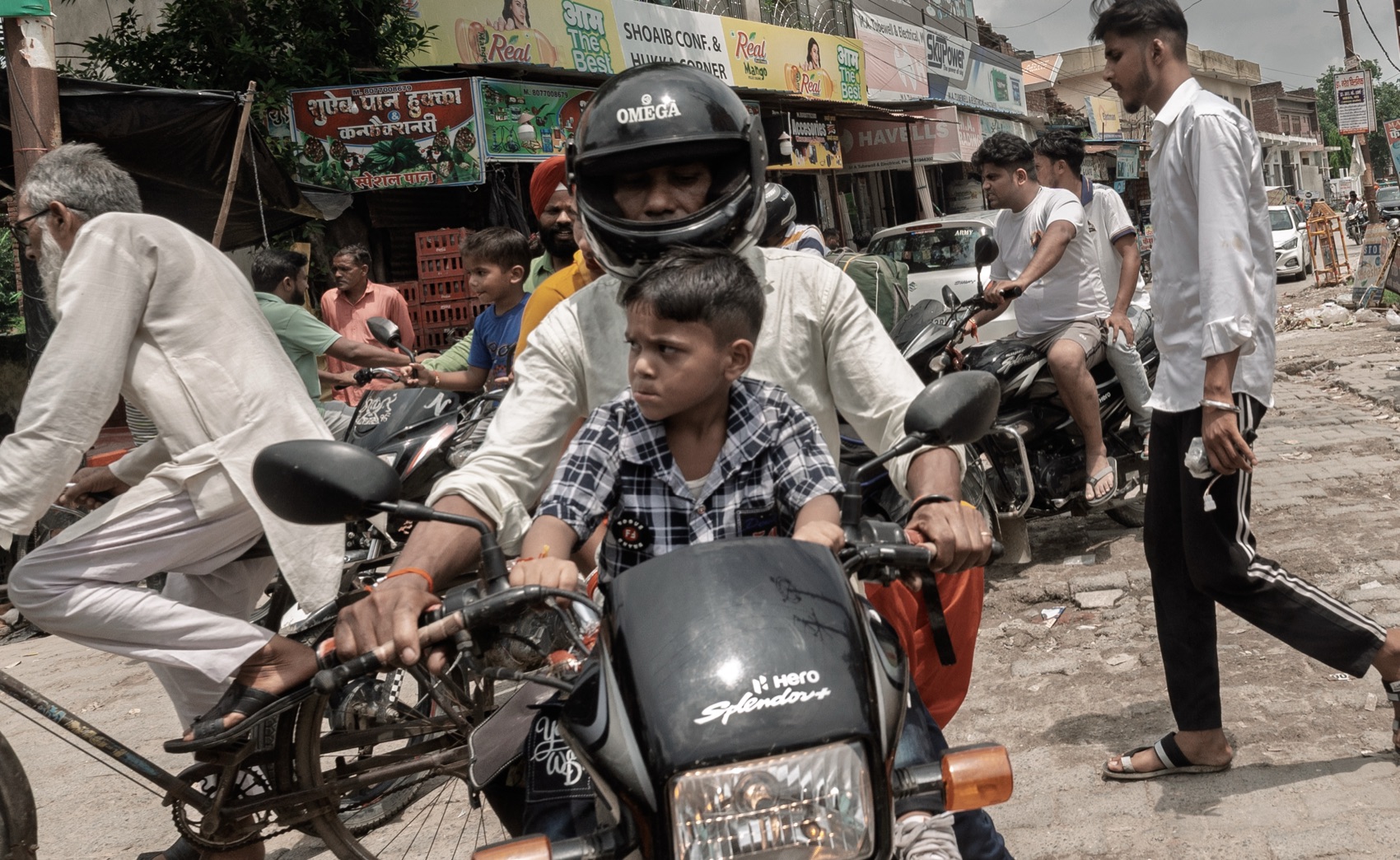
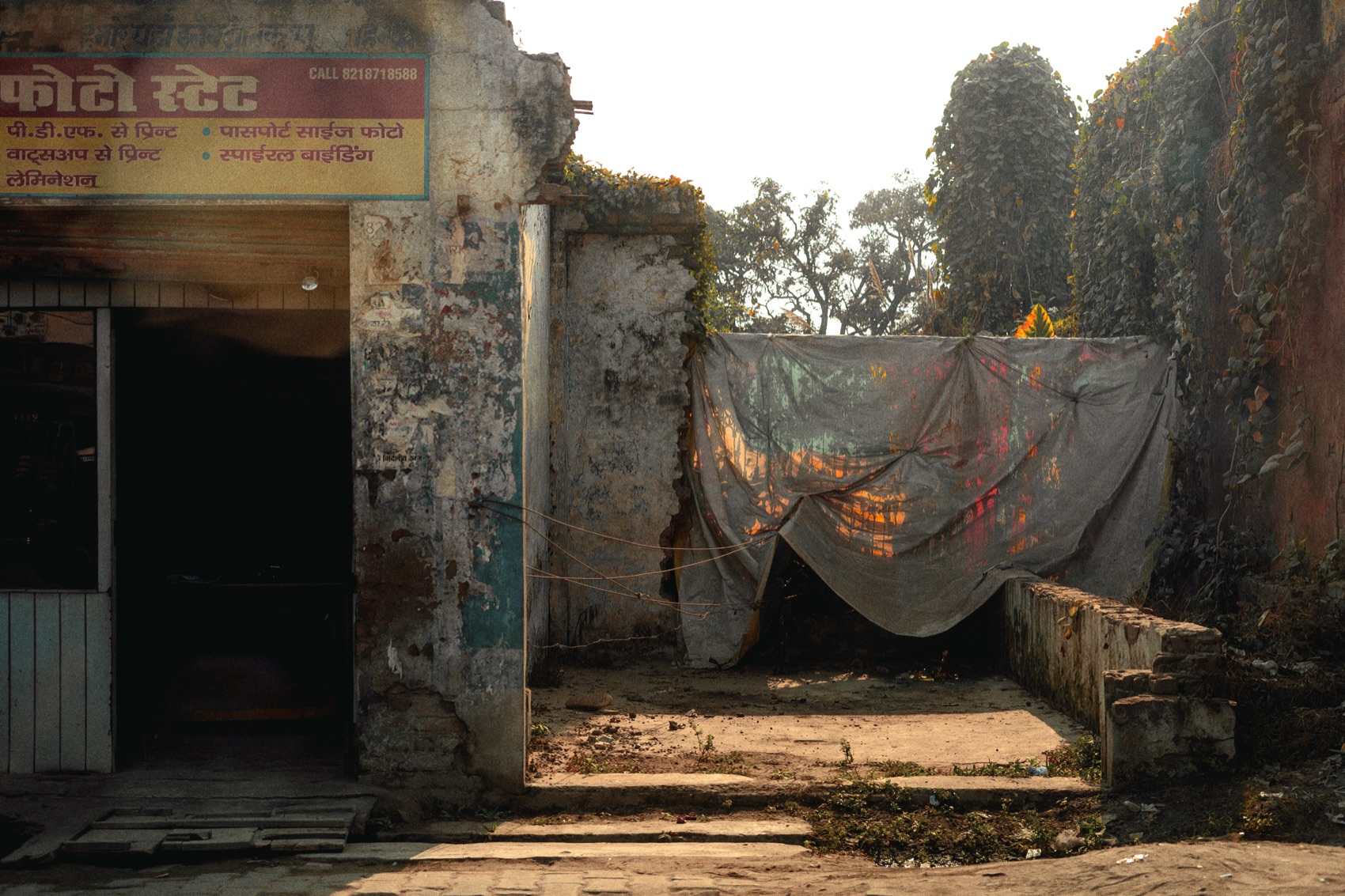
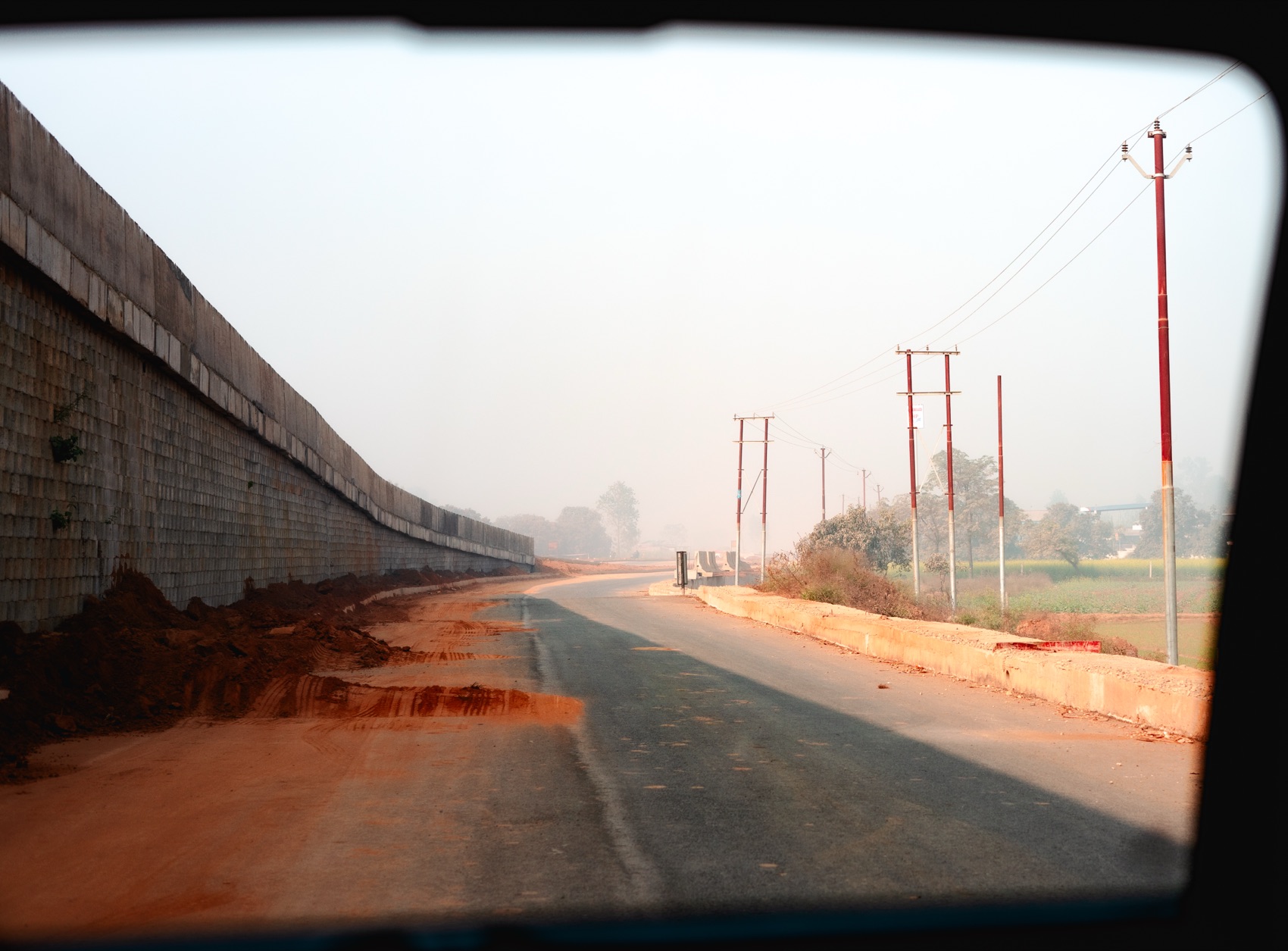
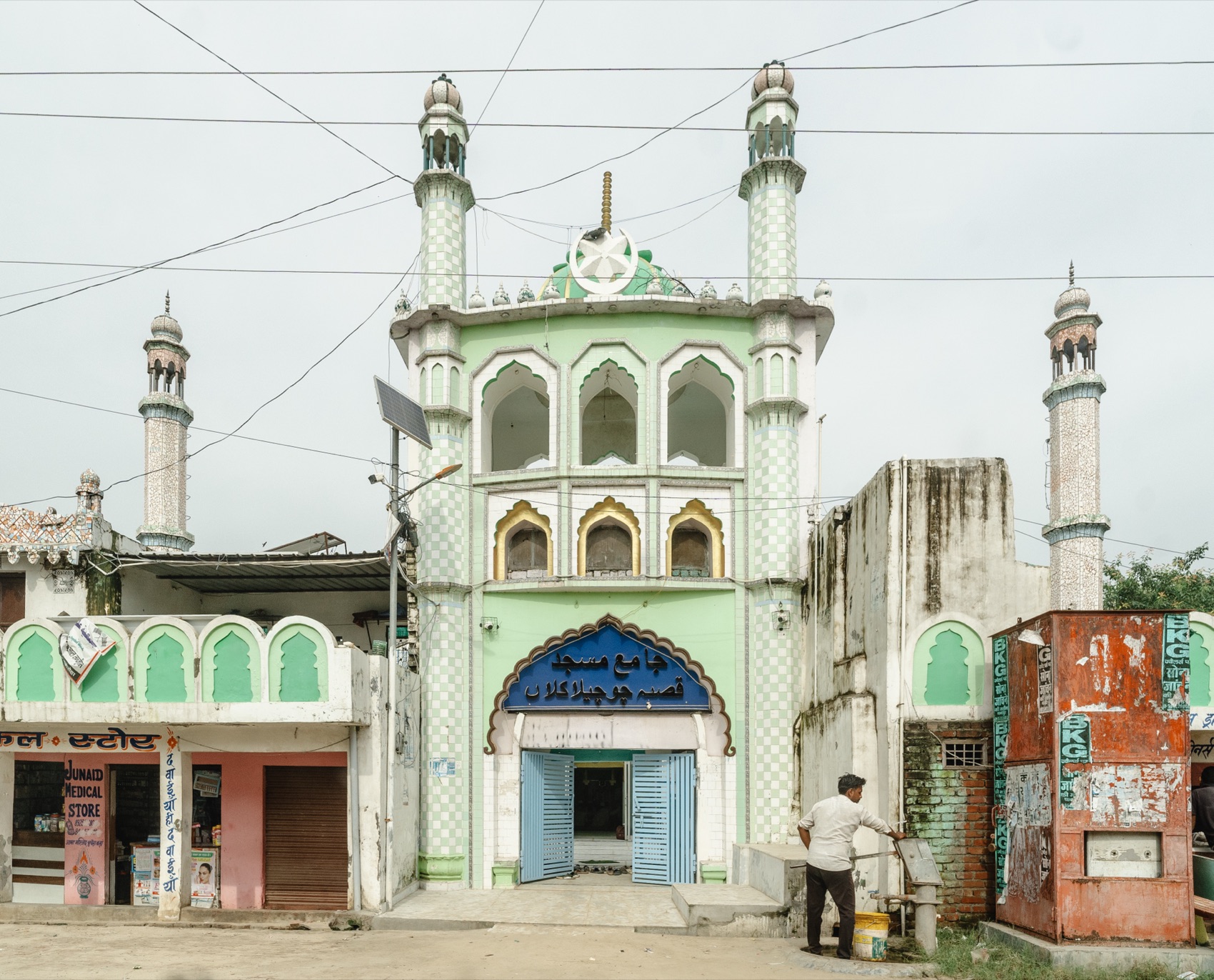
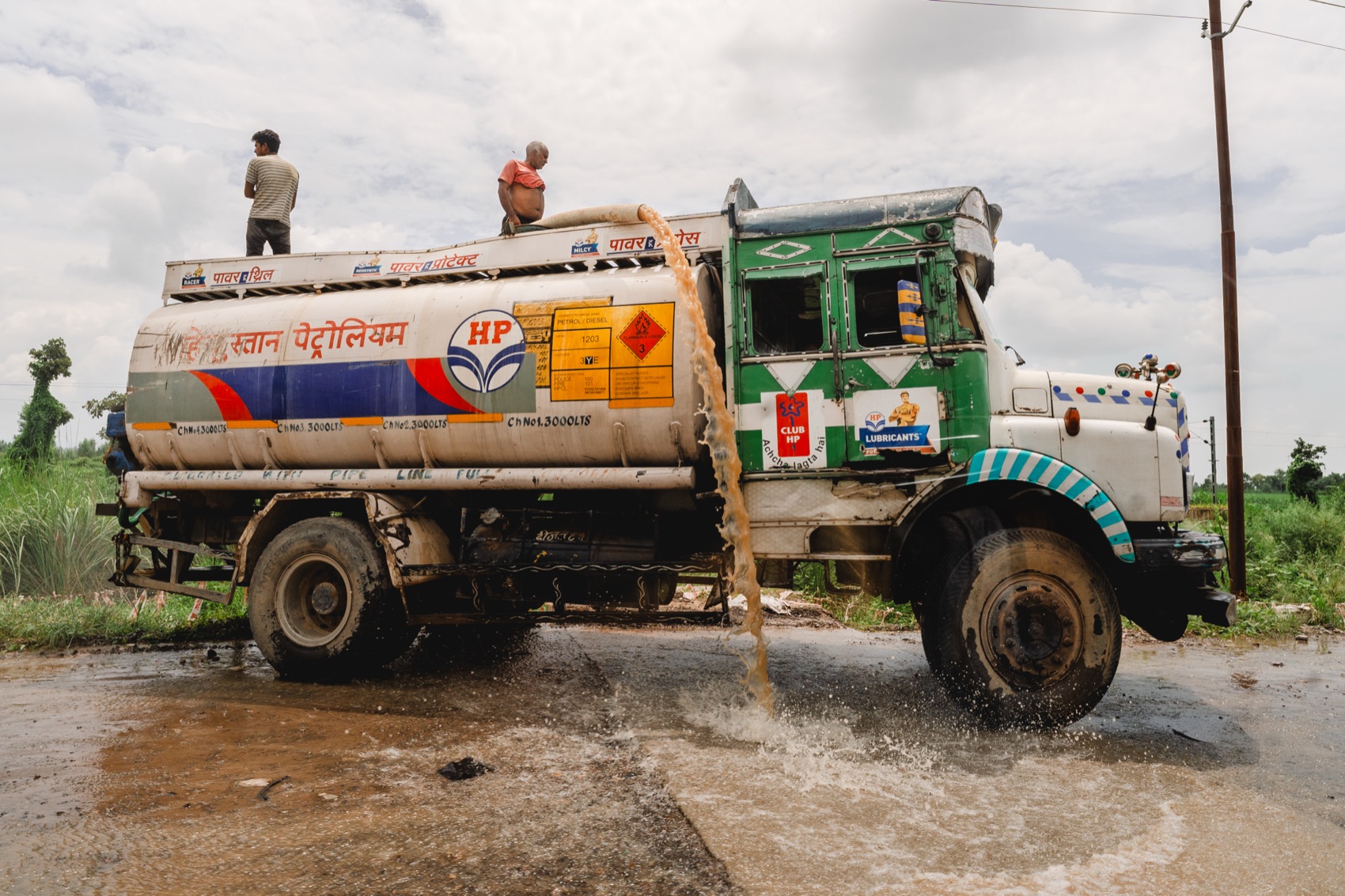
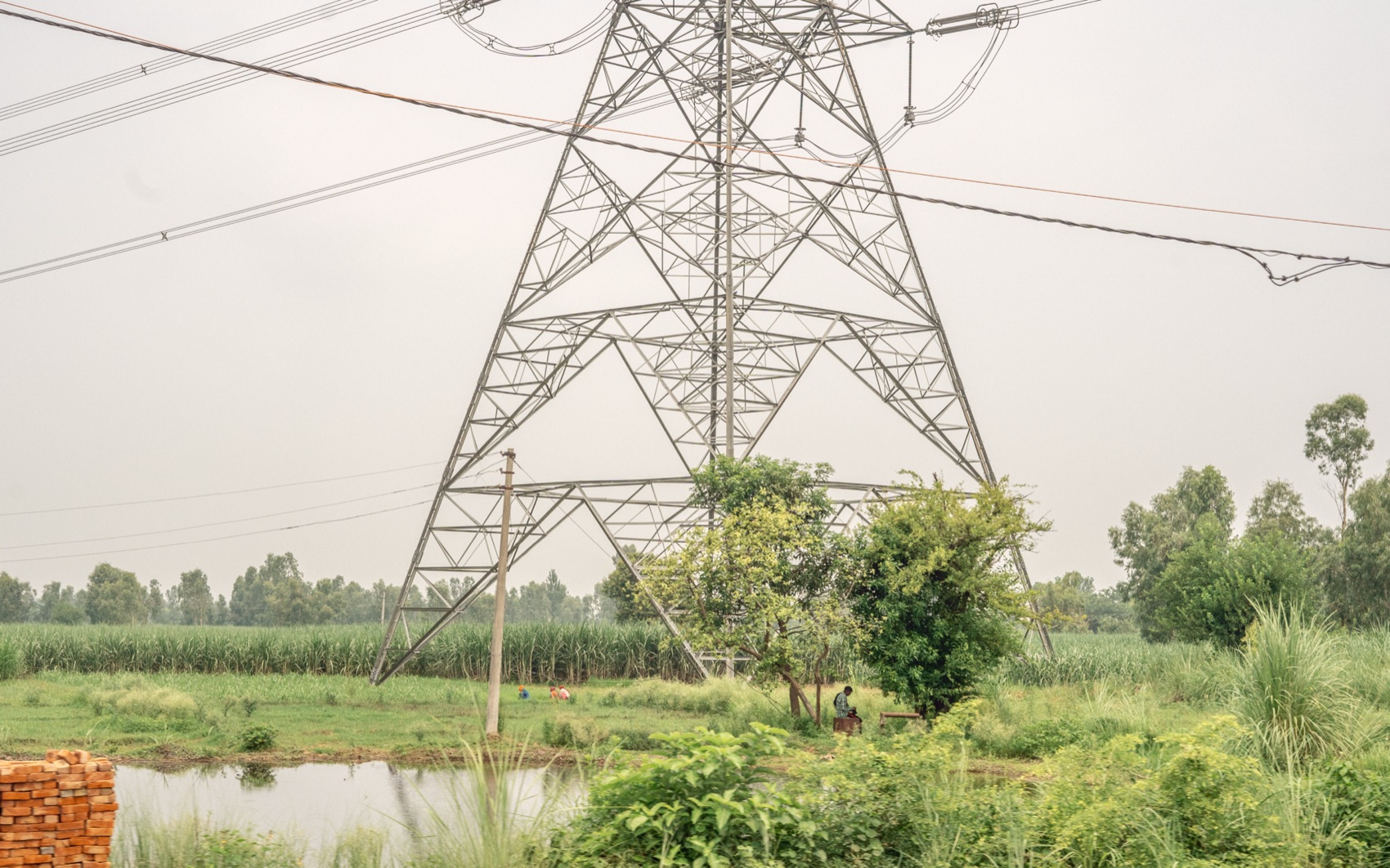
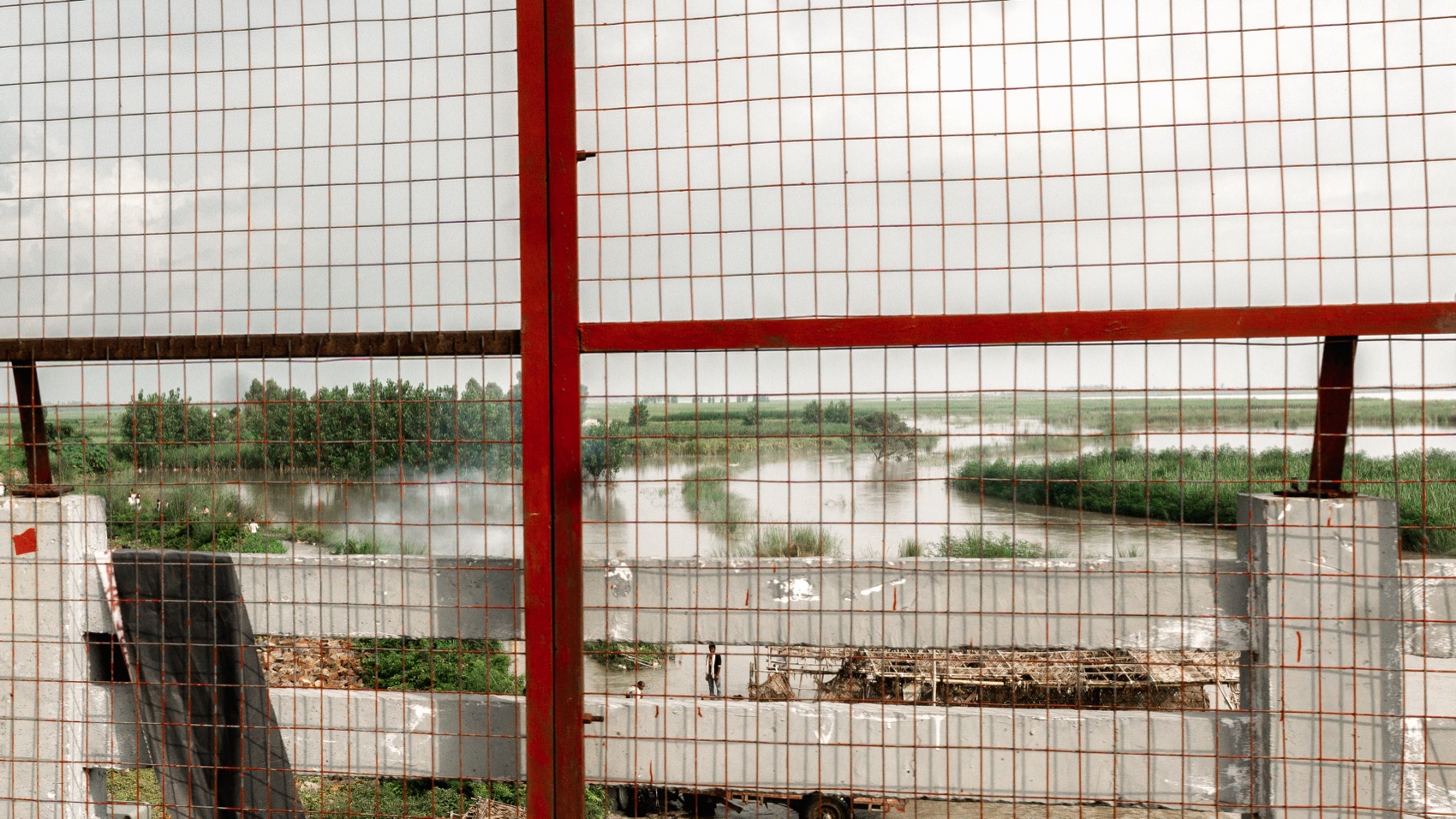
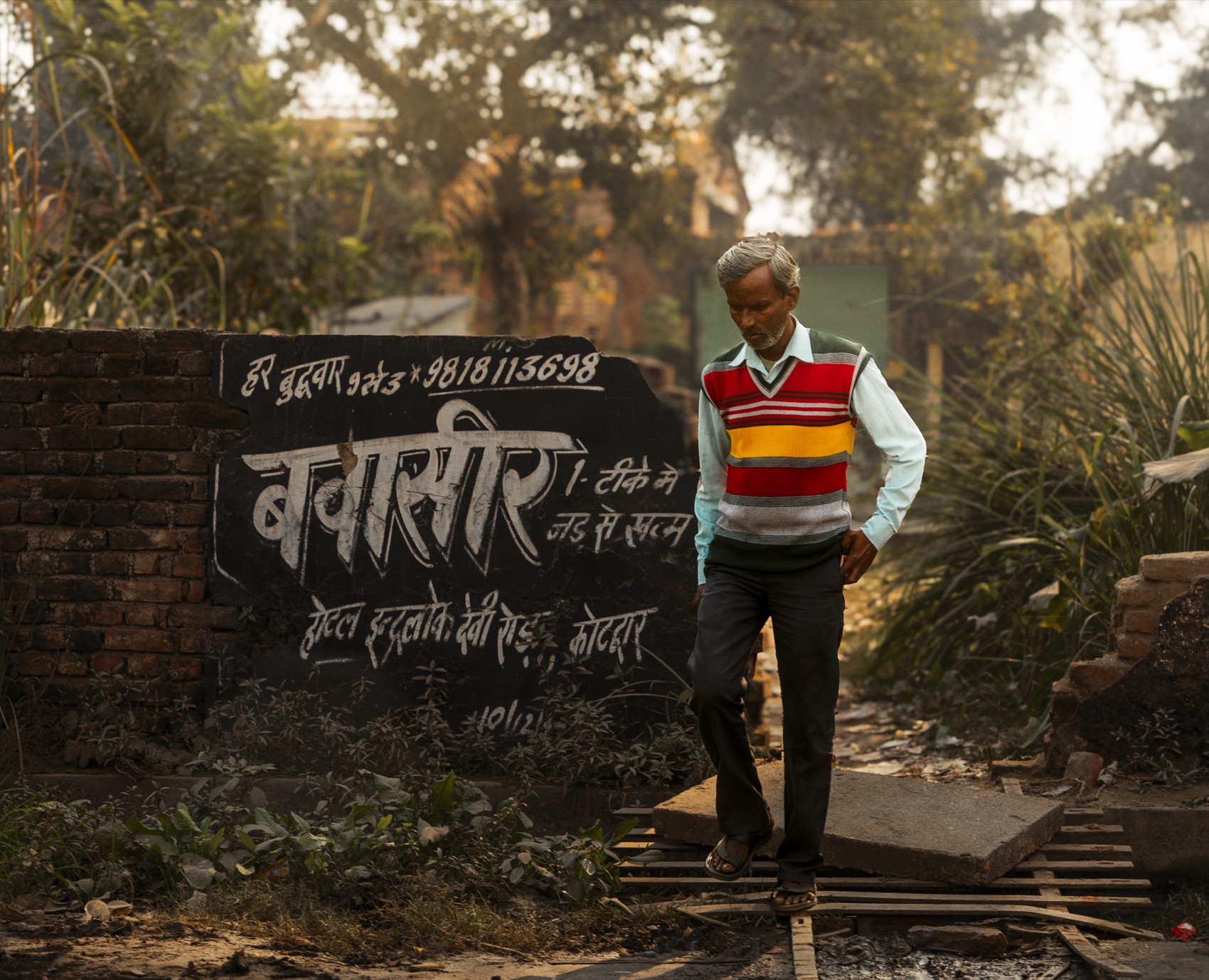
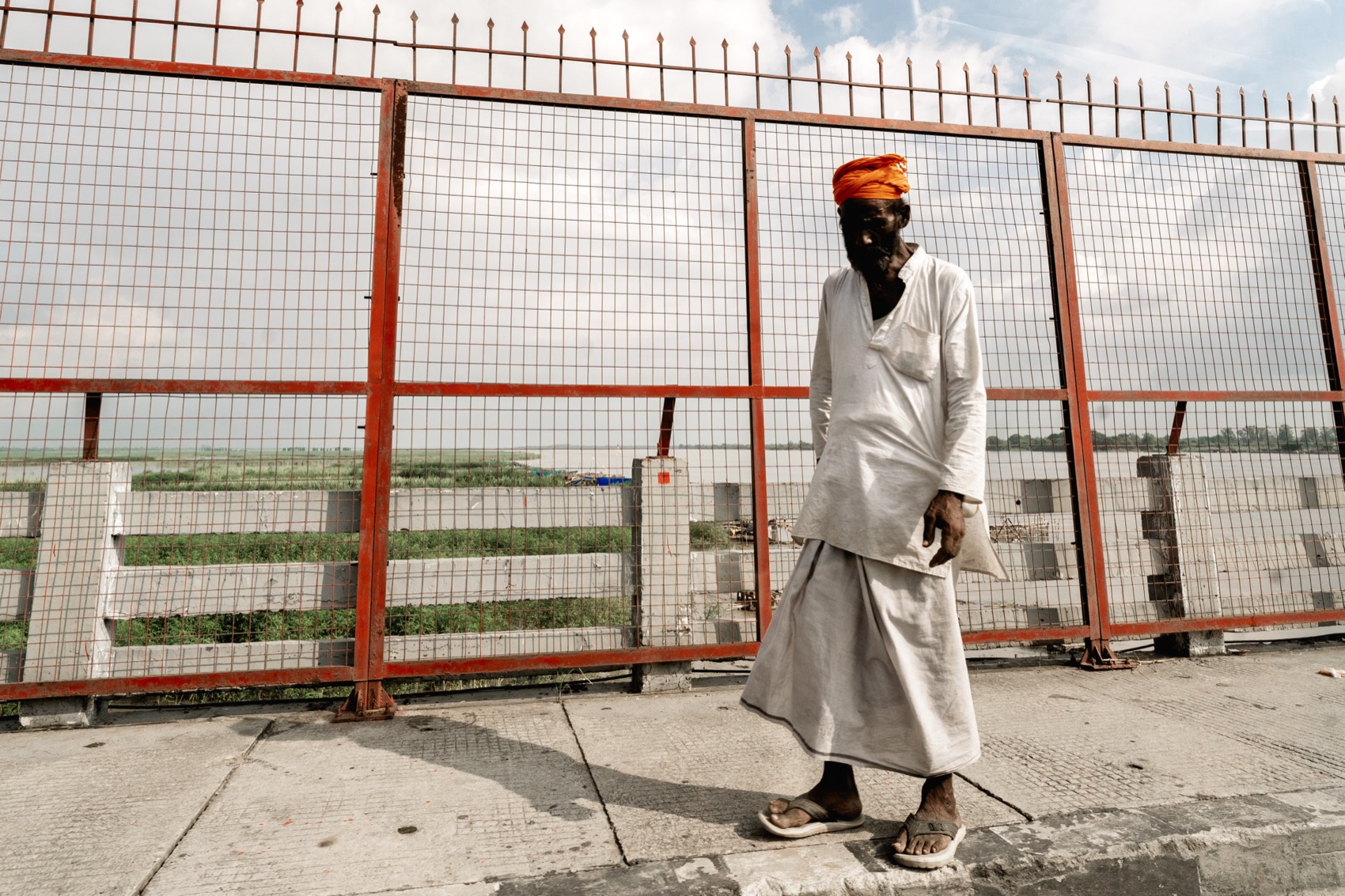
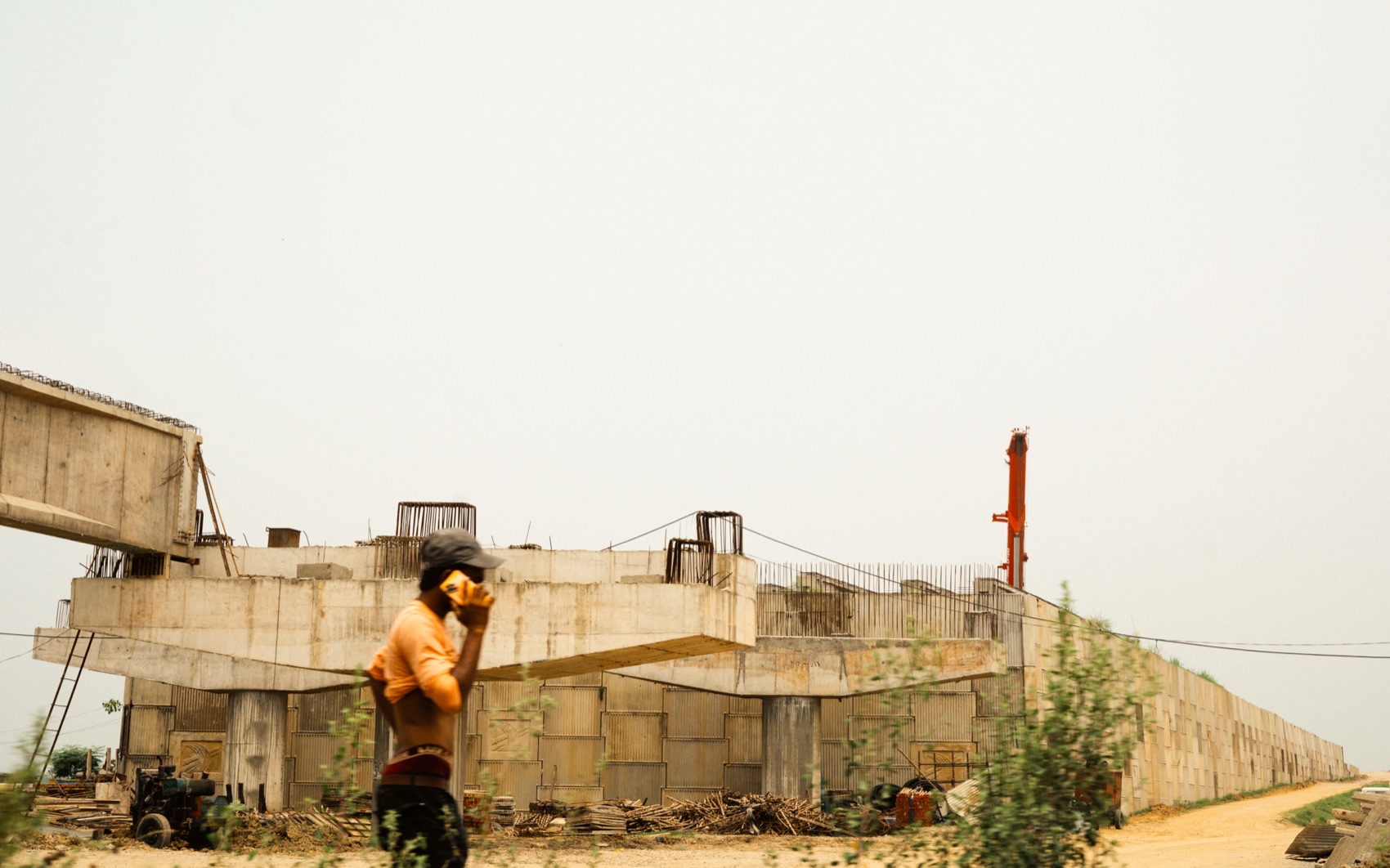
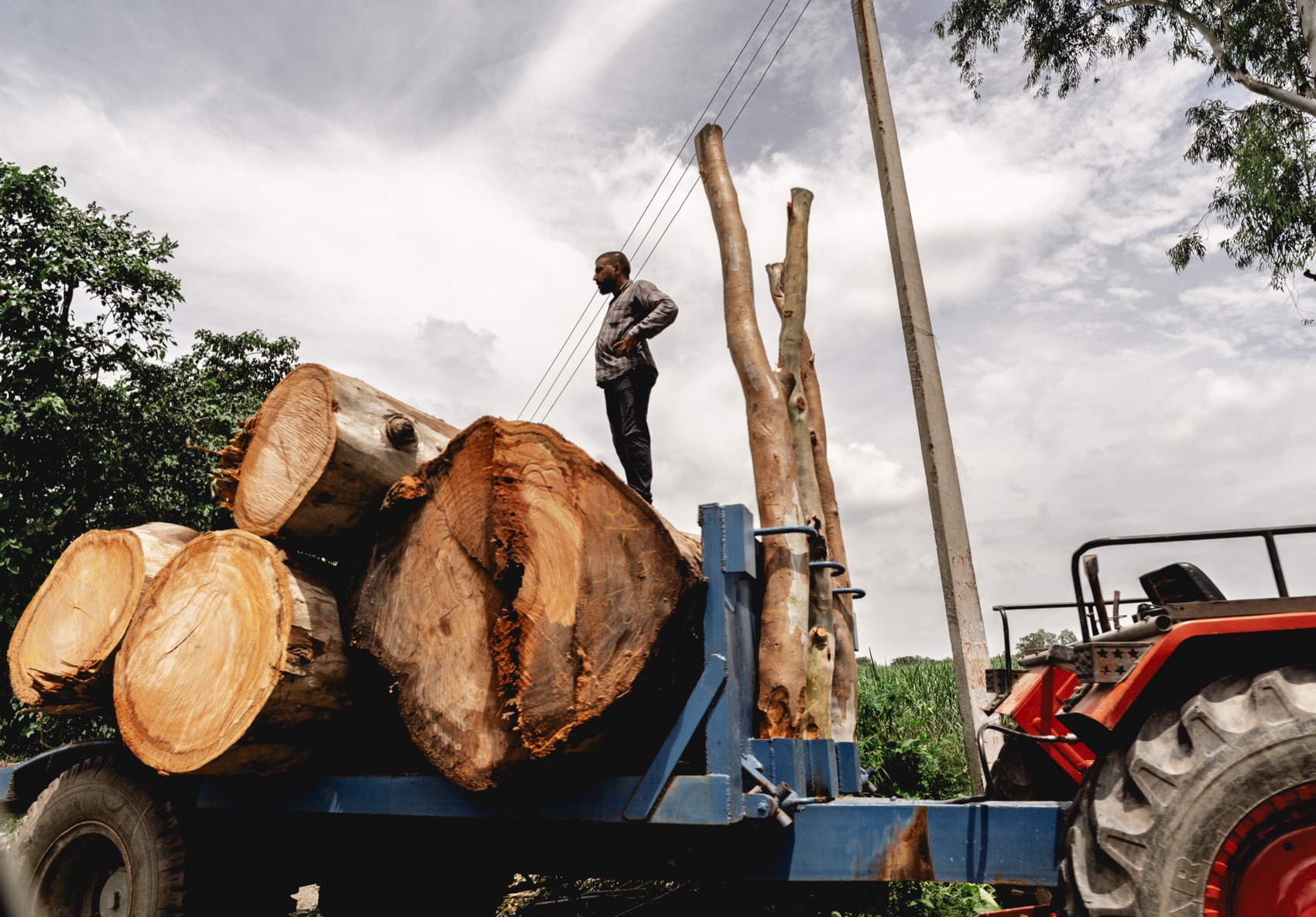
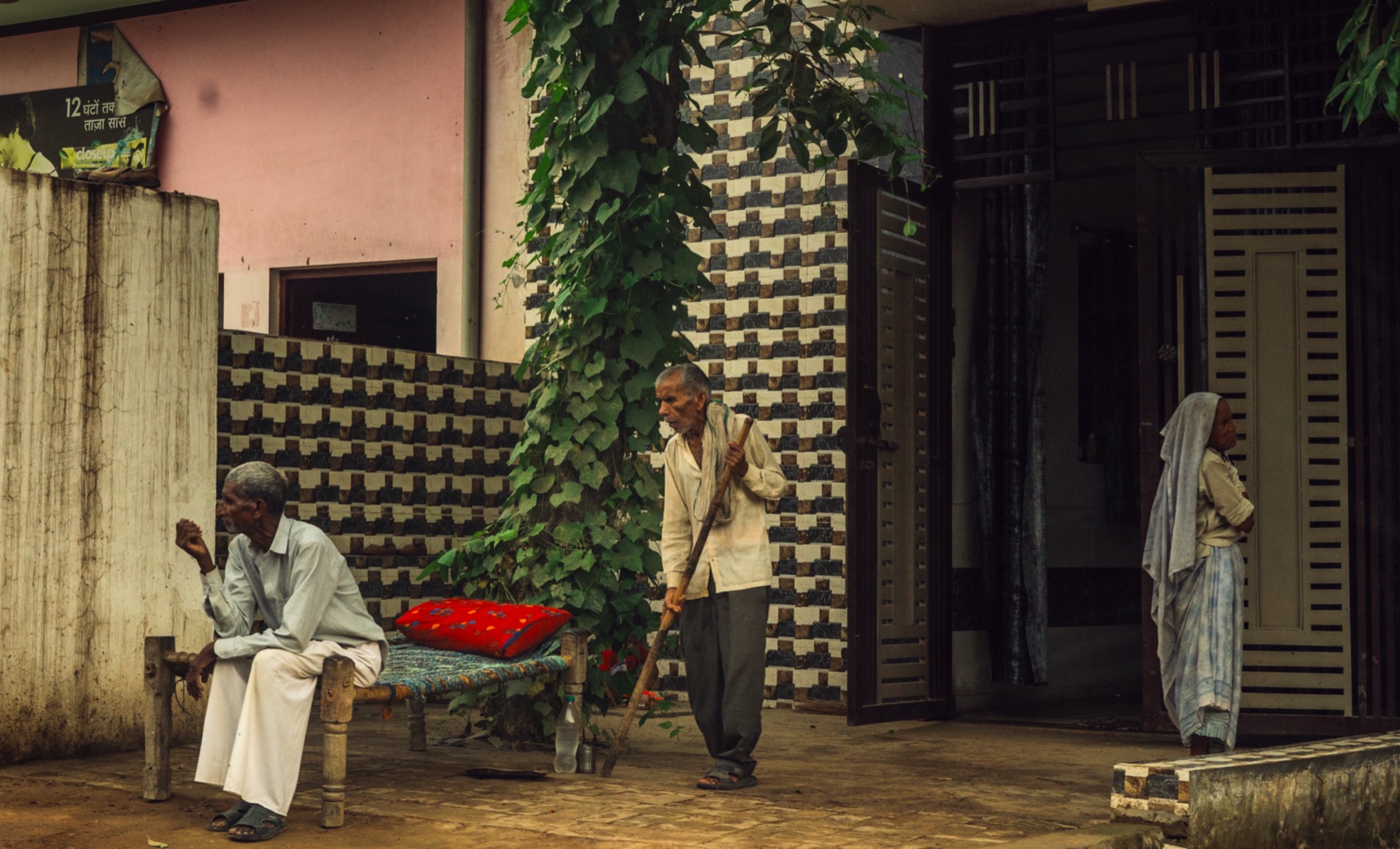
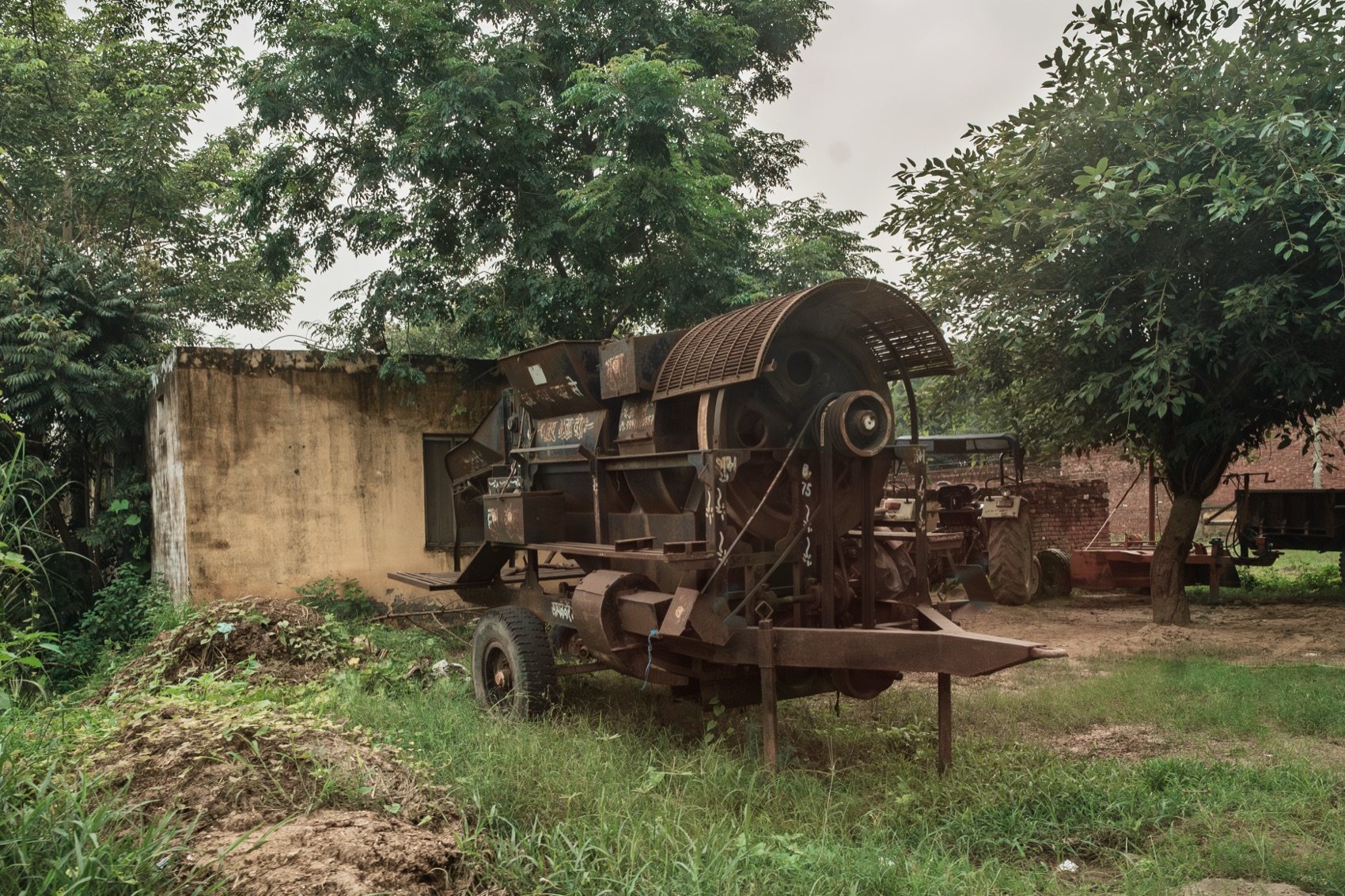
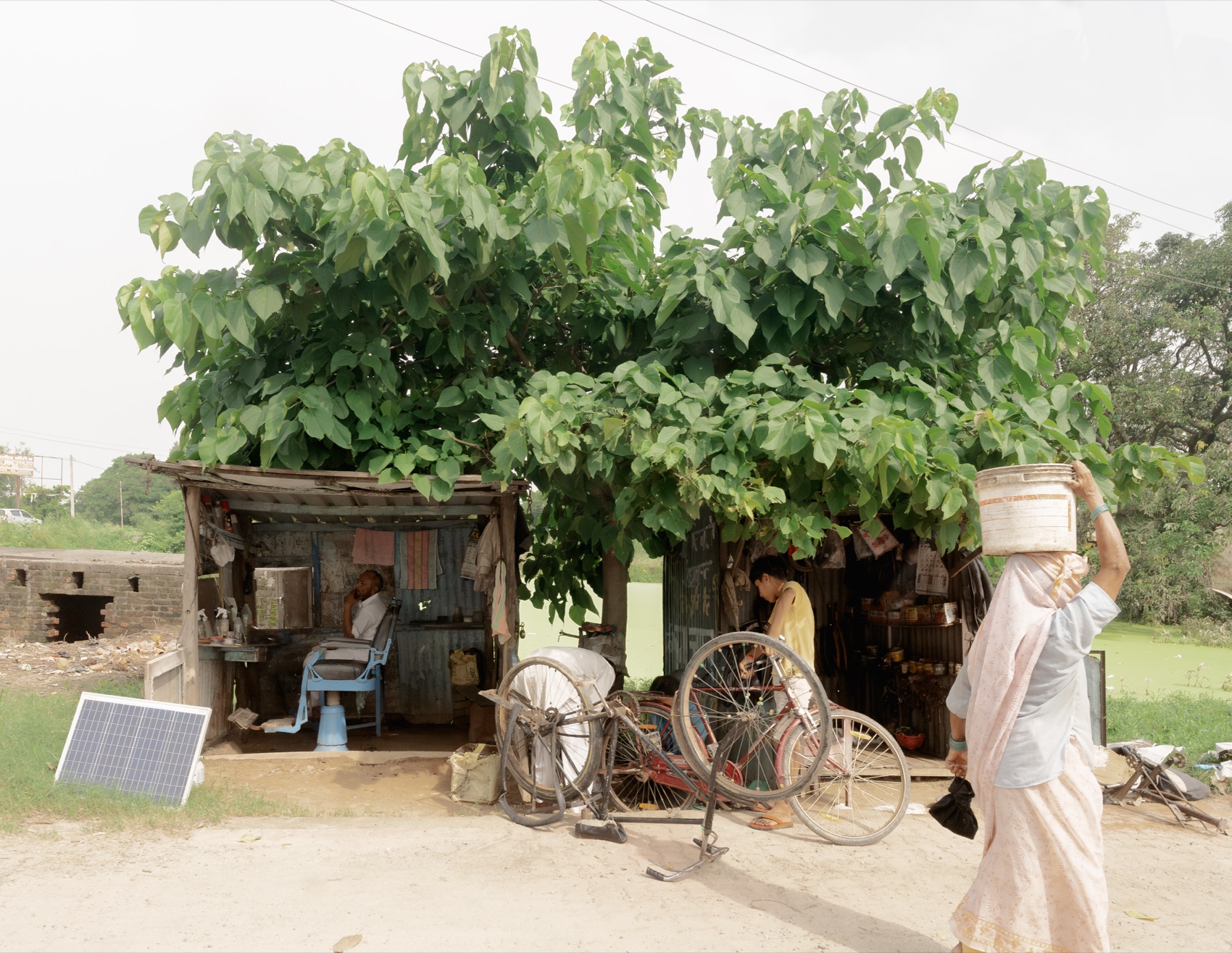
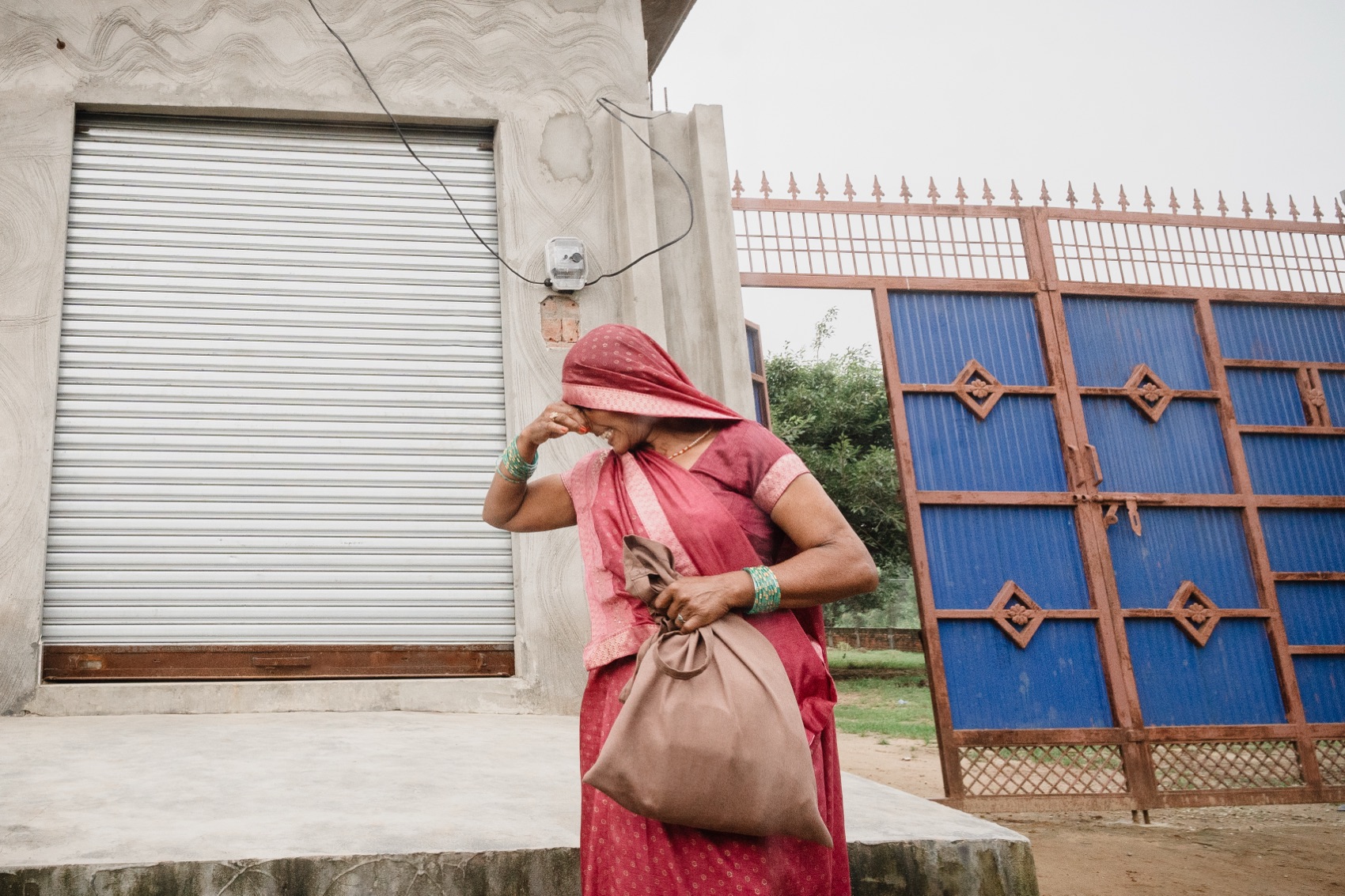
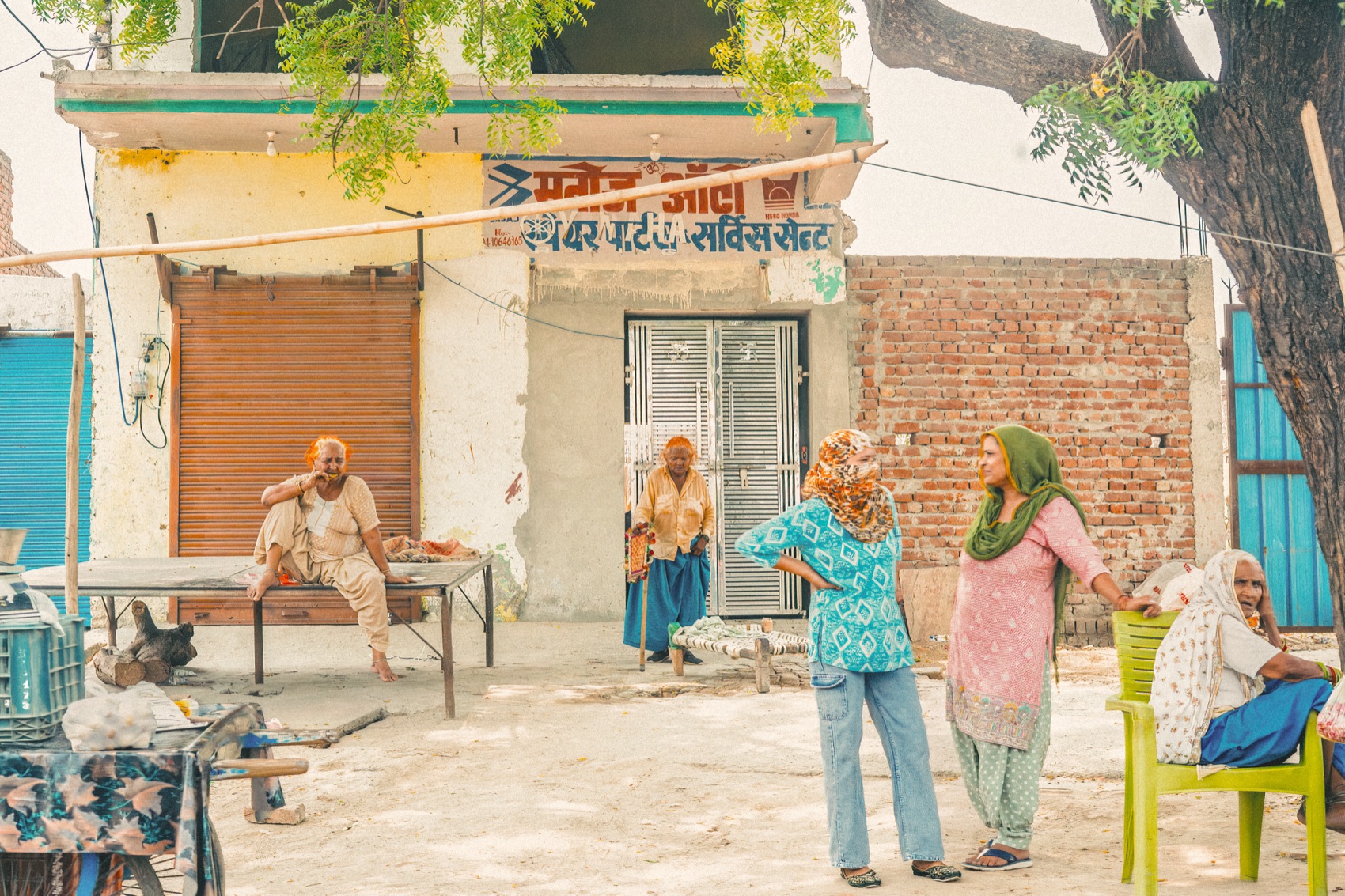
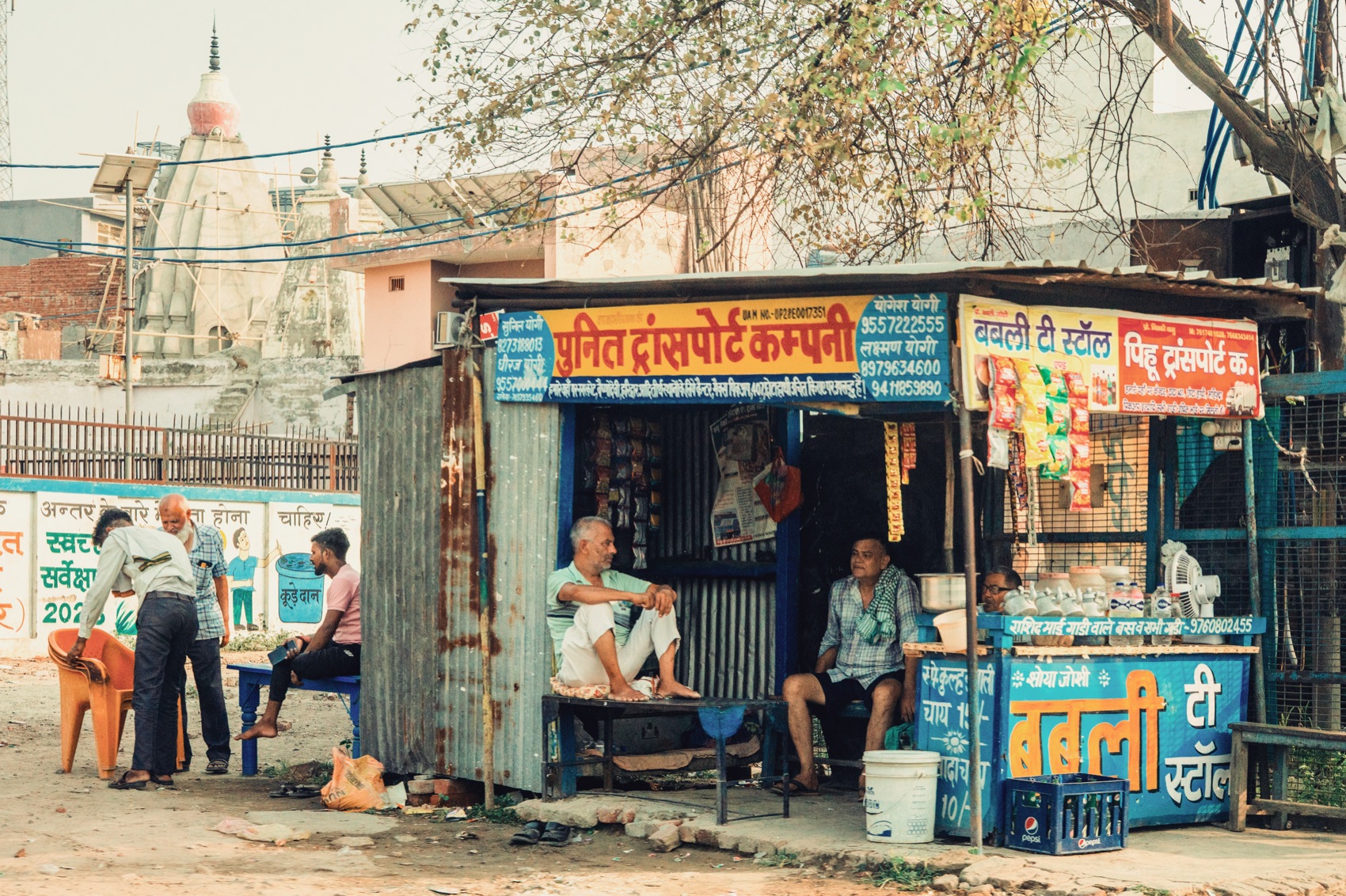
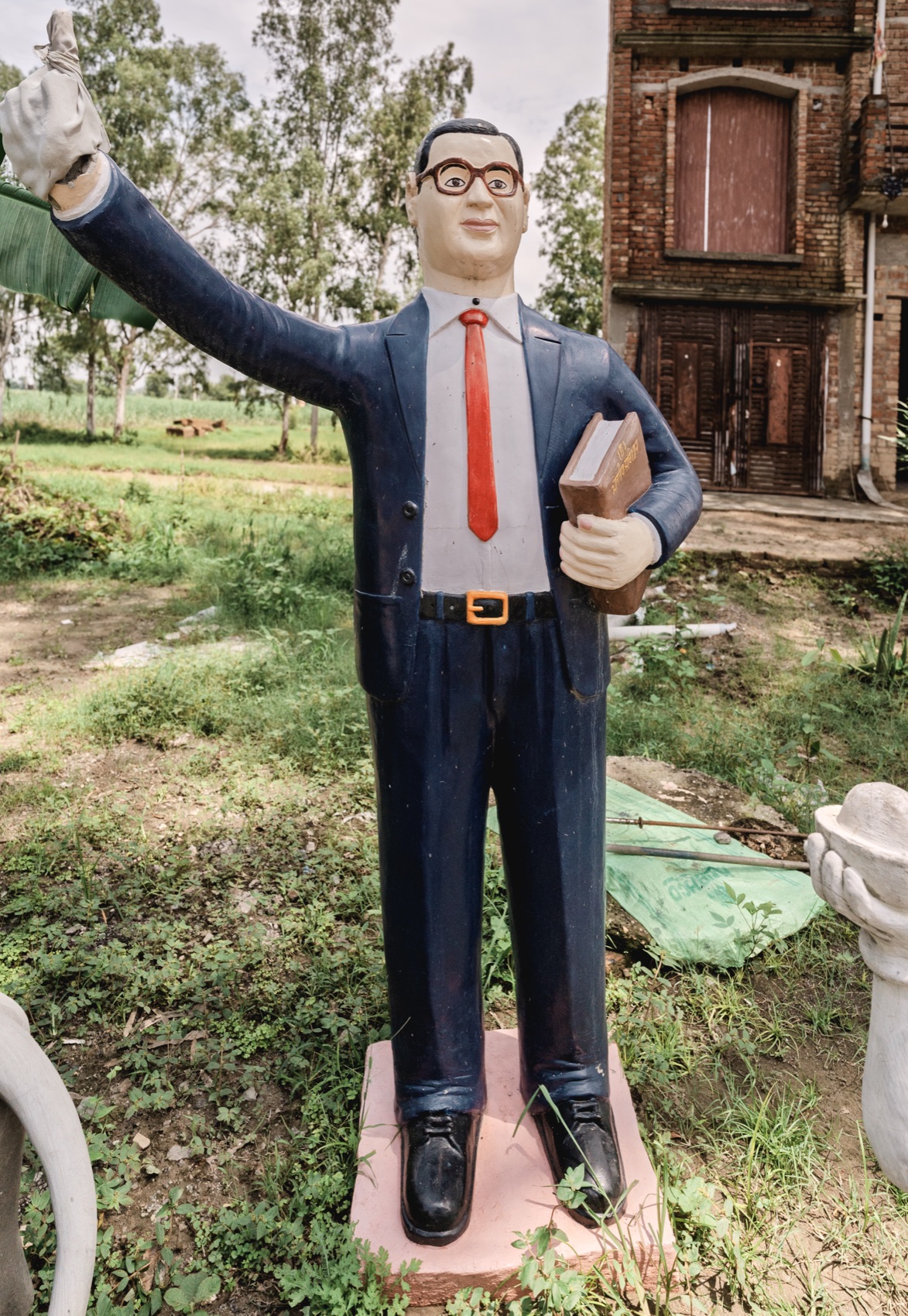
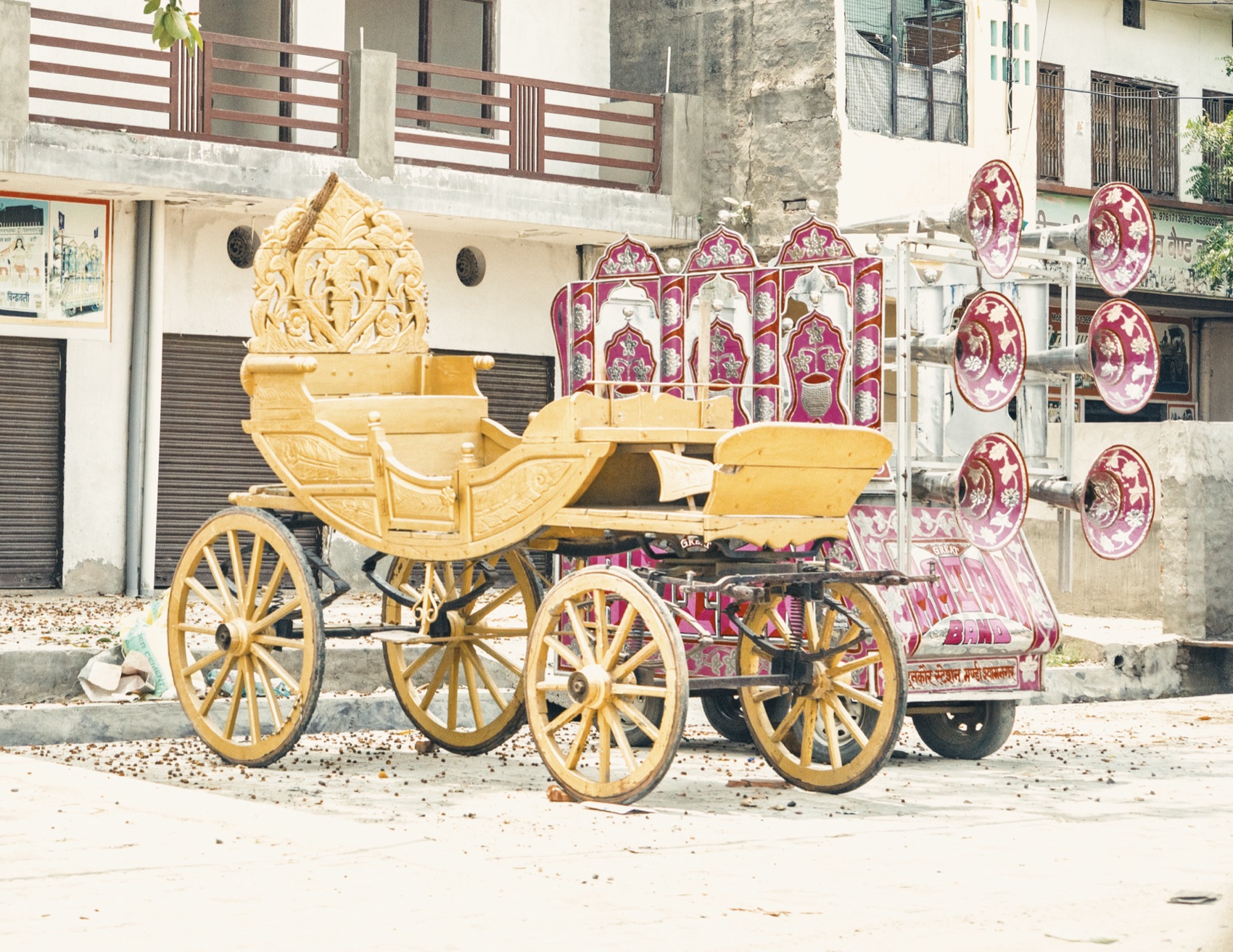
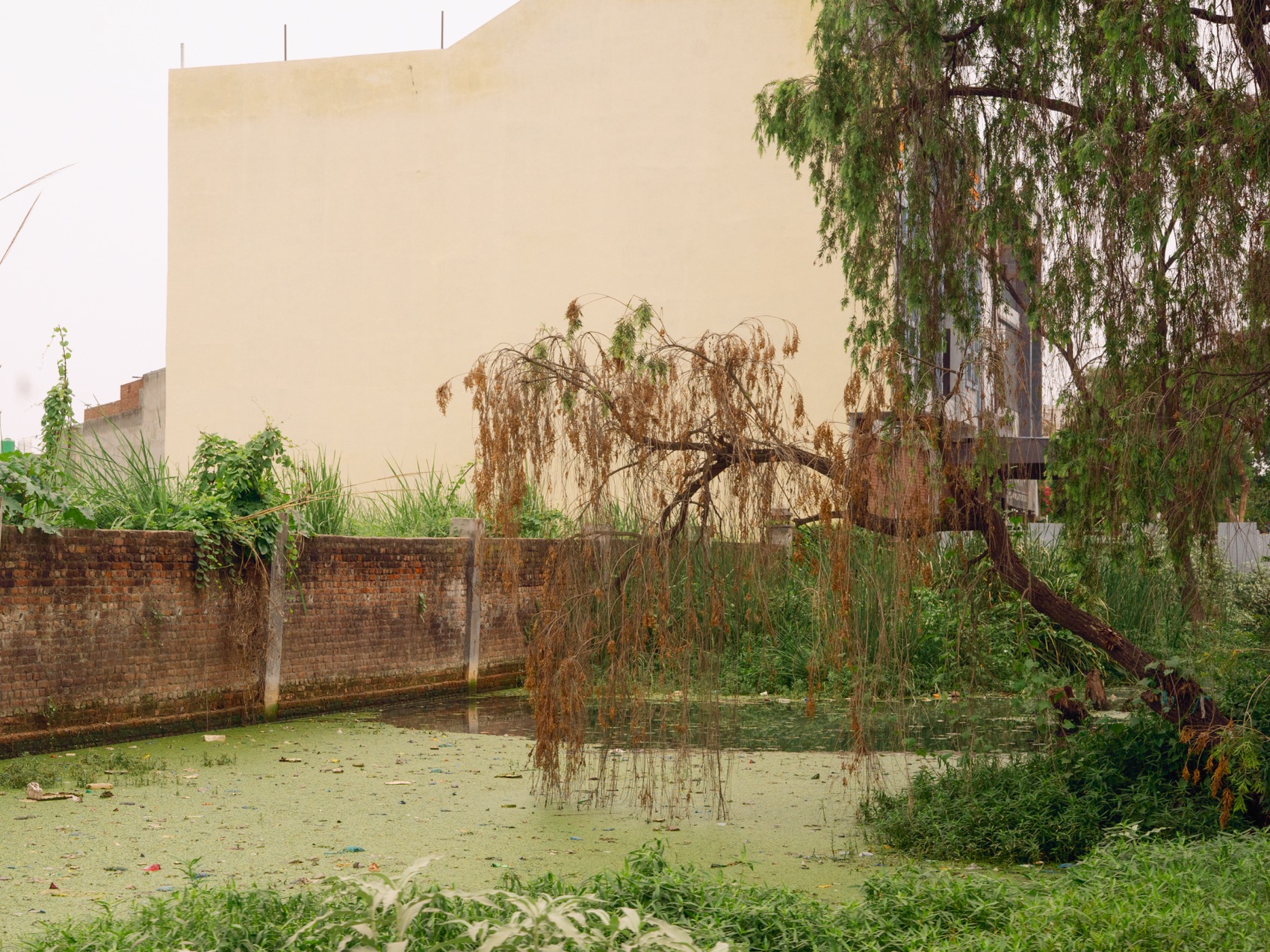
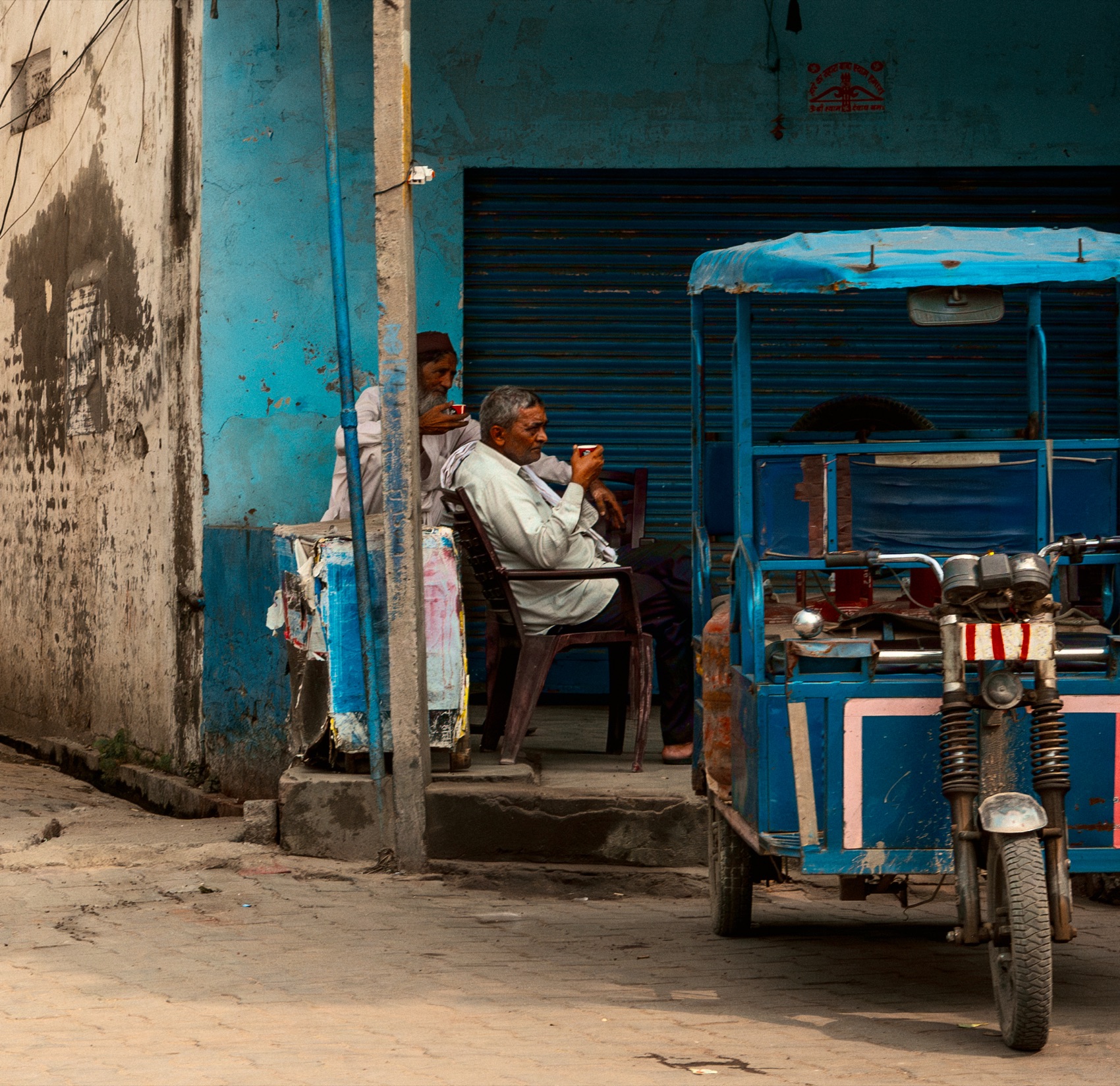
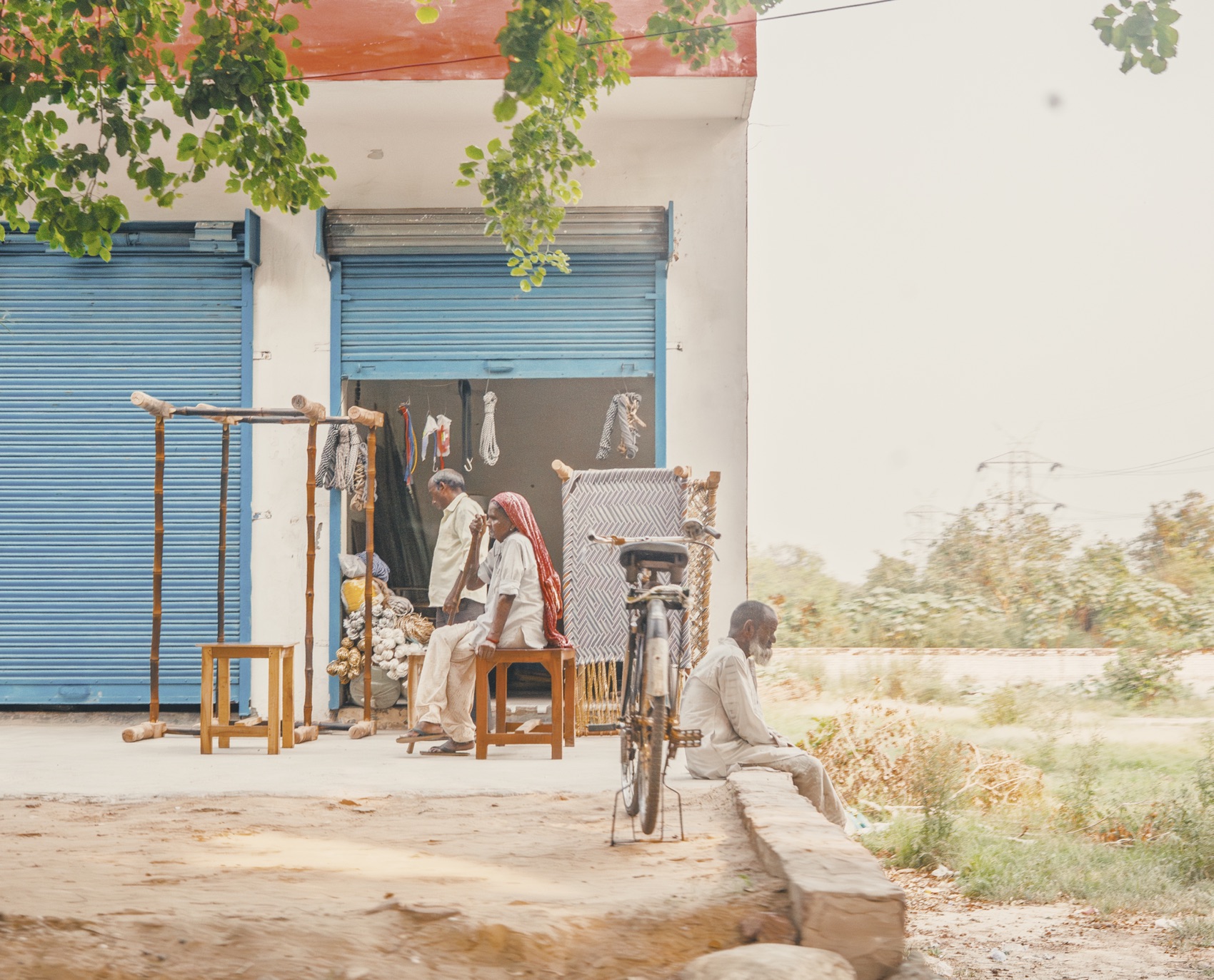

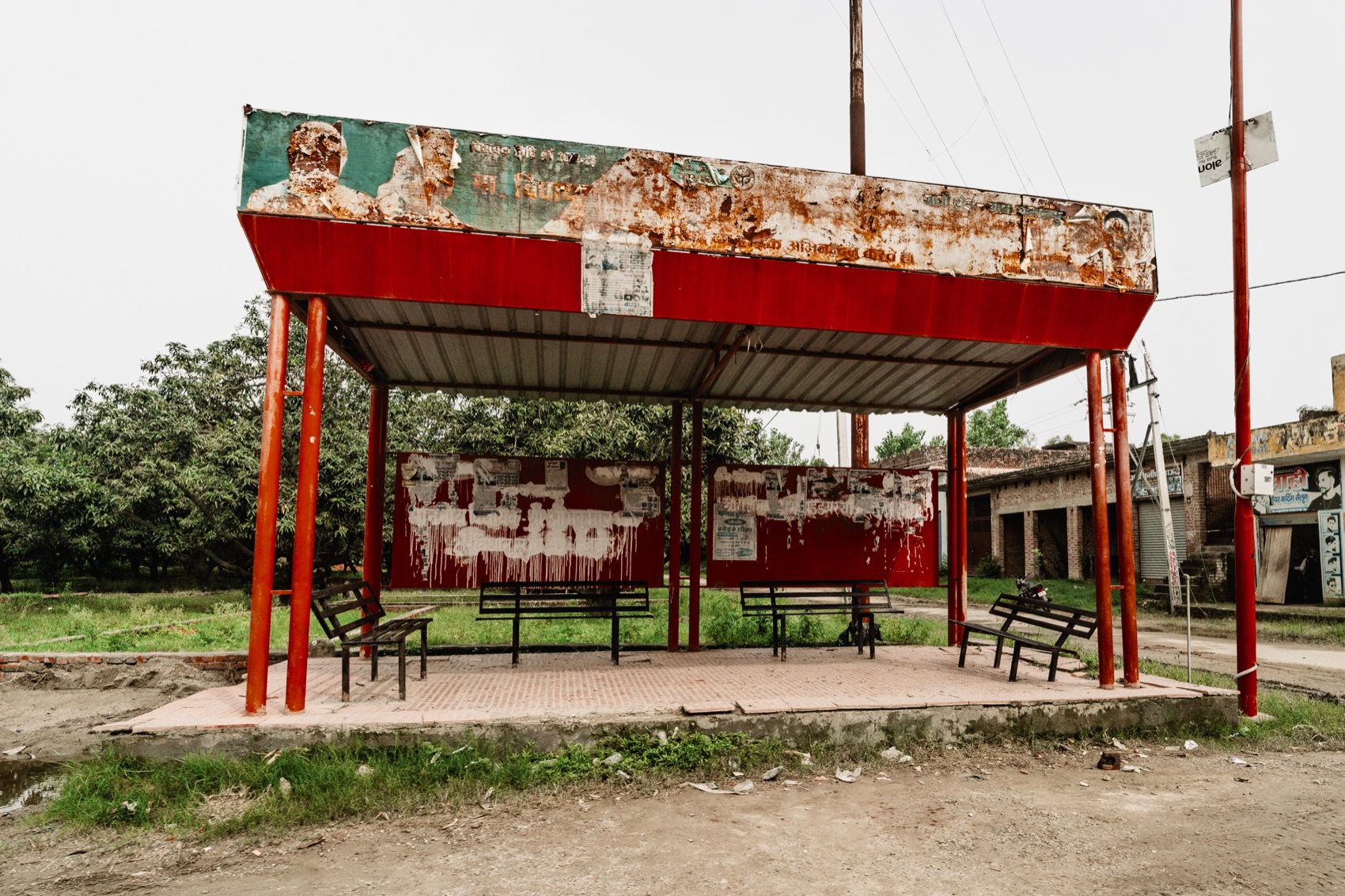
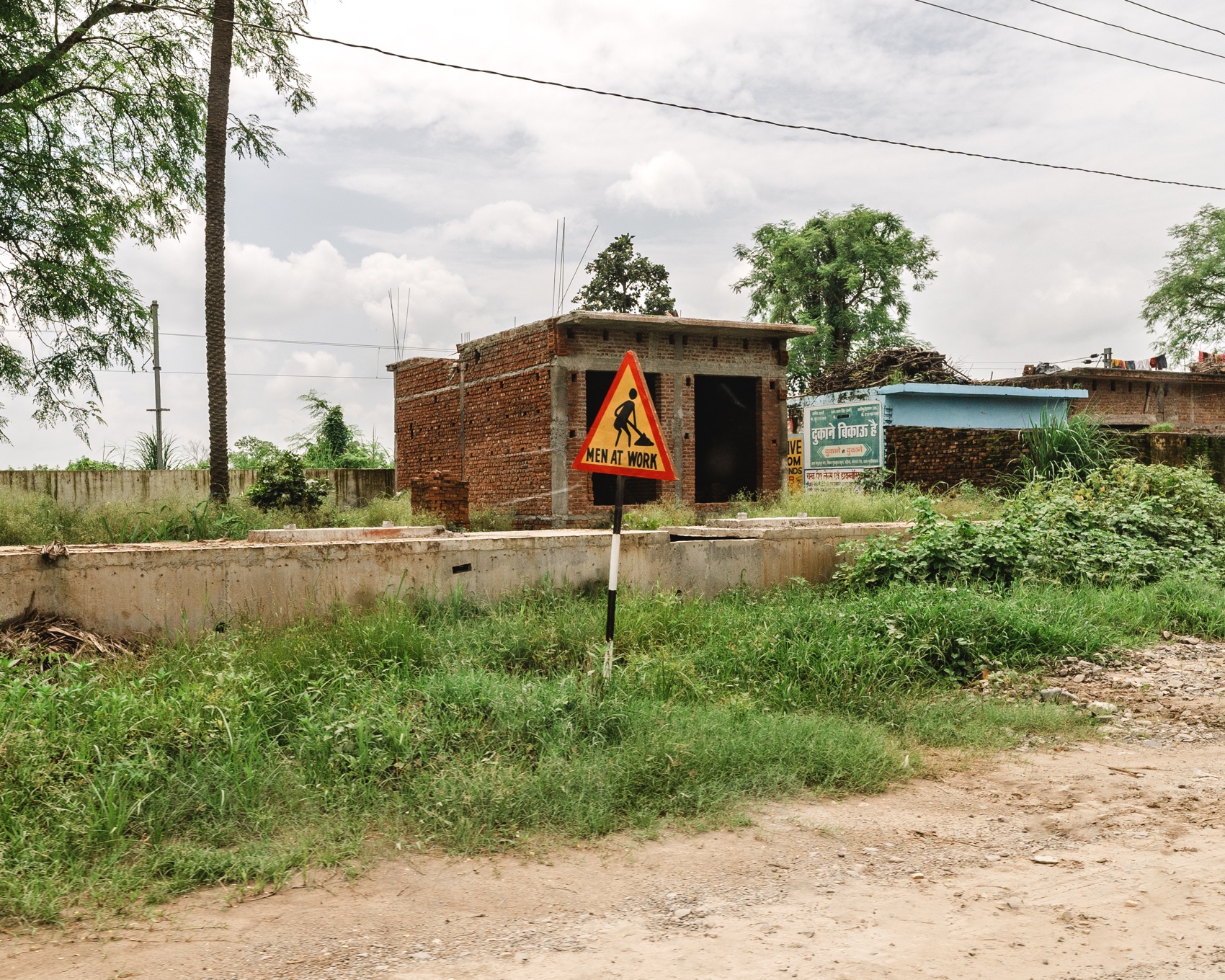
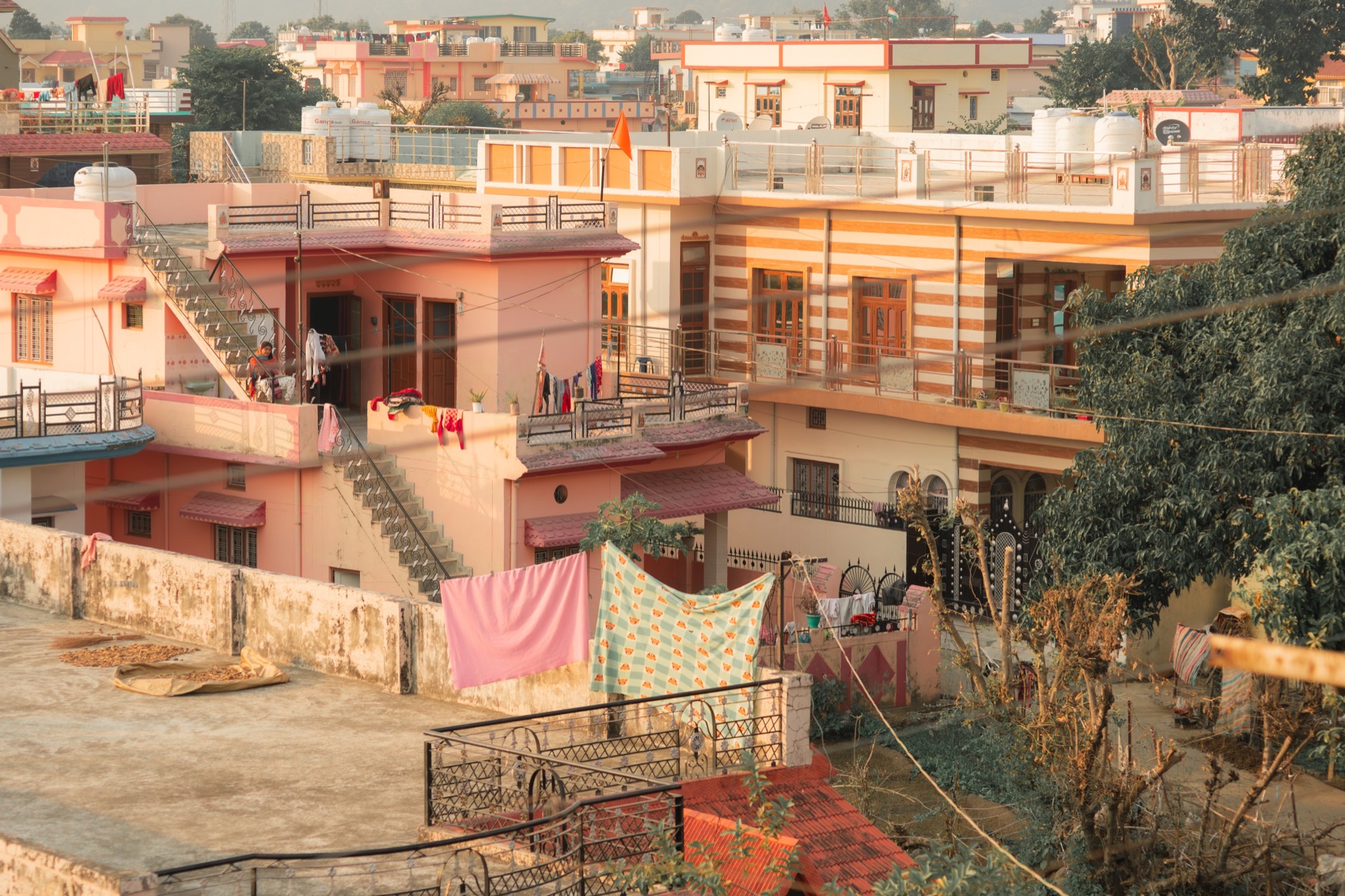
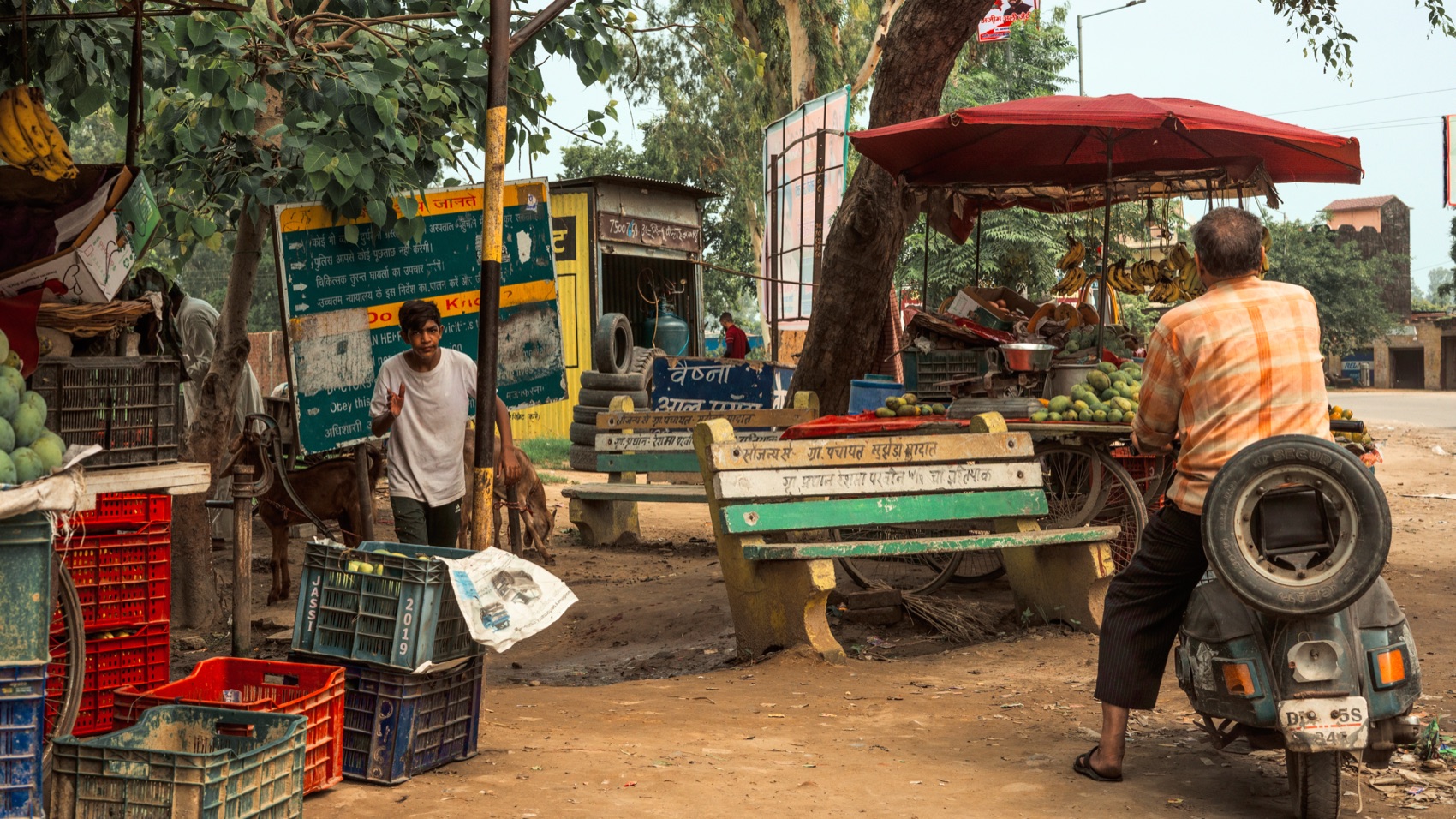
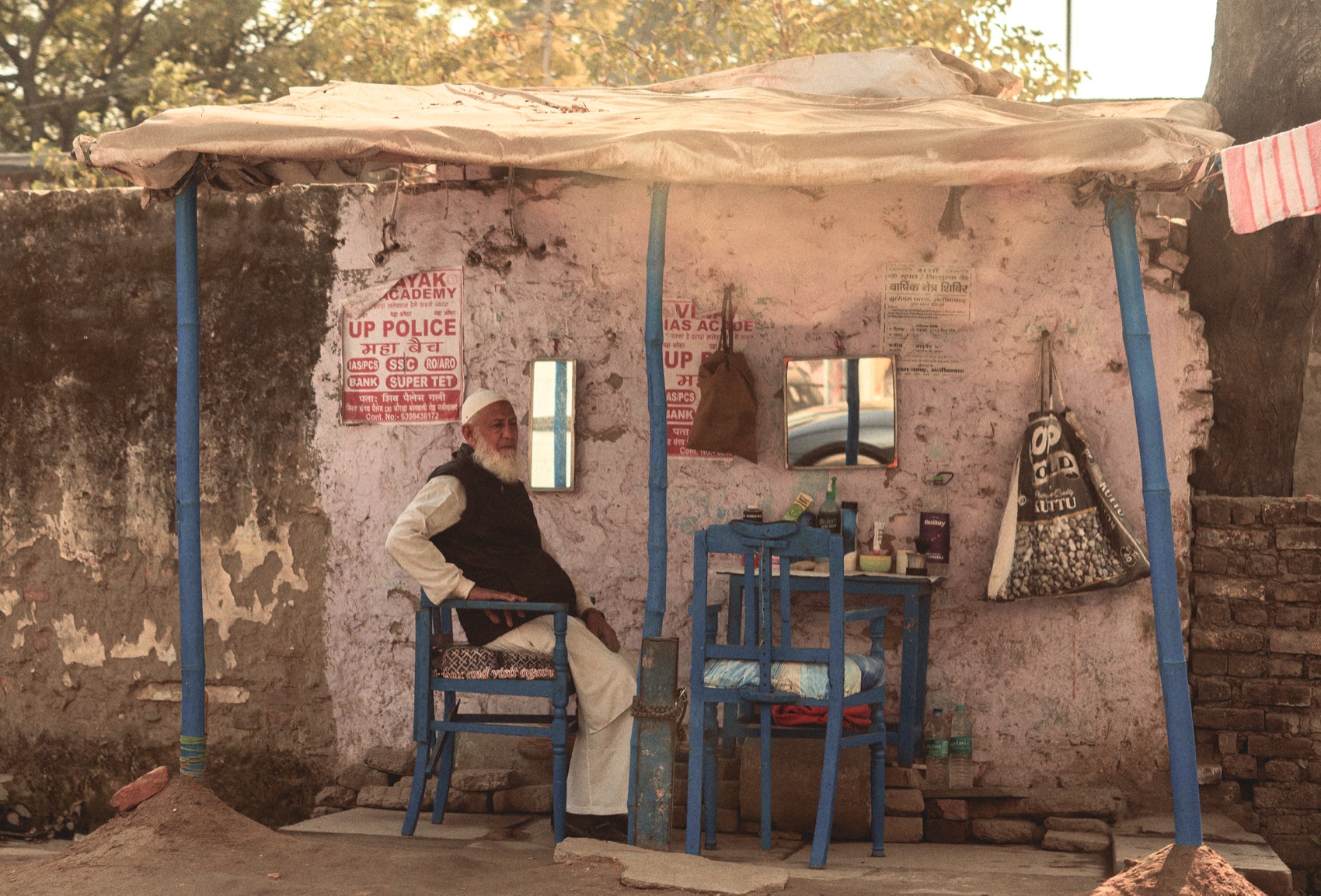
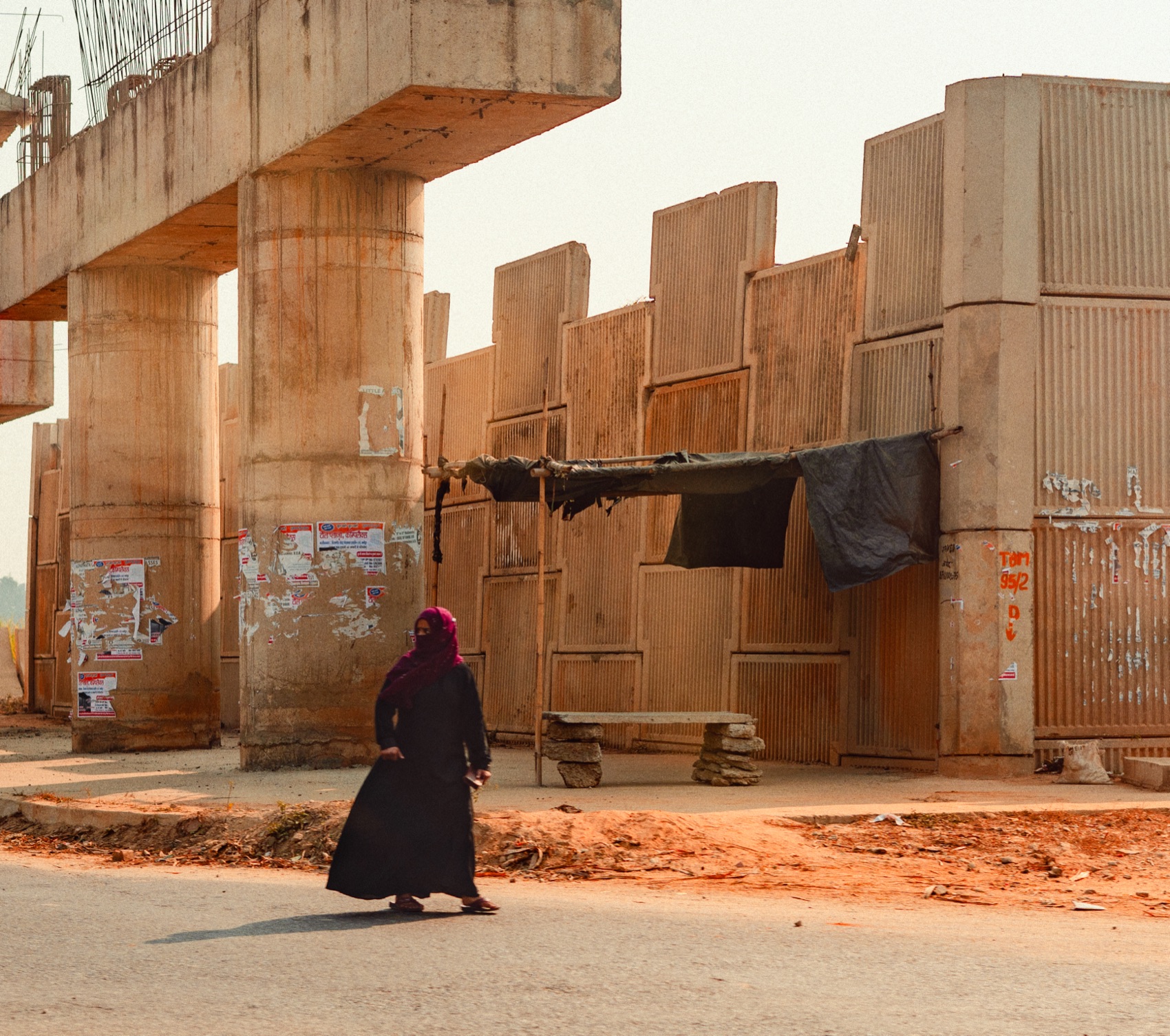
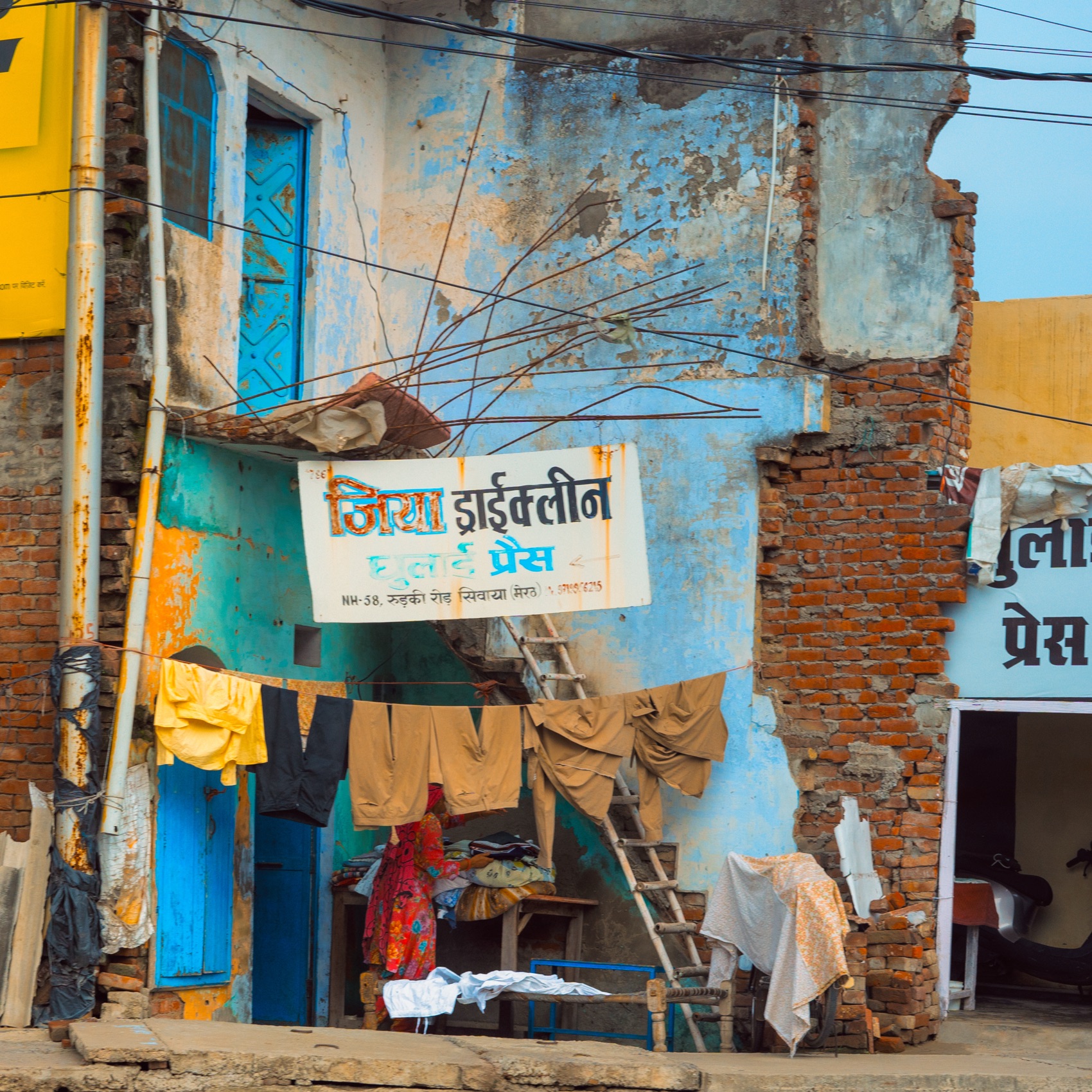
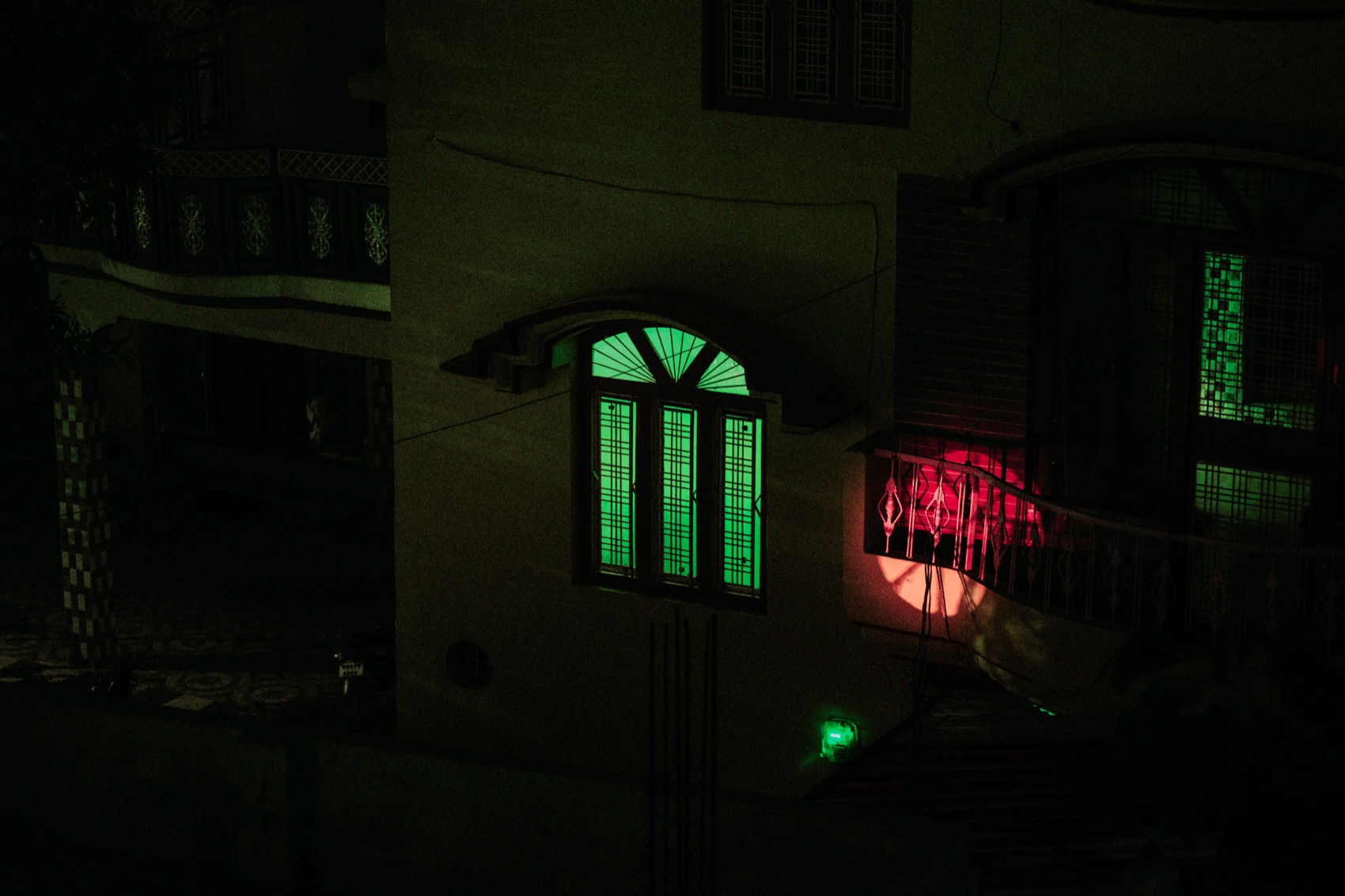
The photographs were made across three visits. The last time I saw my uncle before he died, riding behind him on his motorbike through the market, running errands, sitting with his friends. The first return after my cat died, the animal I had been closest to, whose absence I have carried since leaving for university. And the last visit to my grandmother before she passed who I ended up photographing before the end.
A university education had, in the meantime, produced a different kind of seeing. Class, privilege, the structural conditions that made Noida legible to me and these other places foreign. I had grown up with enough distance from poverty to mistake density for simplicity. Contemporary India makes that confusion easy to sustain. A society absorbing Western capitalism while carrying the structural weight of colonial underdevelopment produces cities like Noida alongside towns like Sikandrabad, and produces people who move between these worlds at the price of belonging fully to neither.
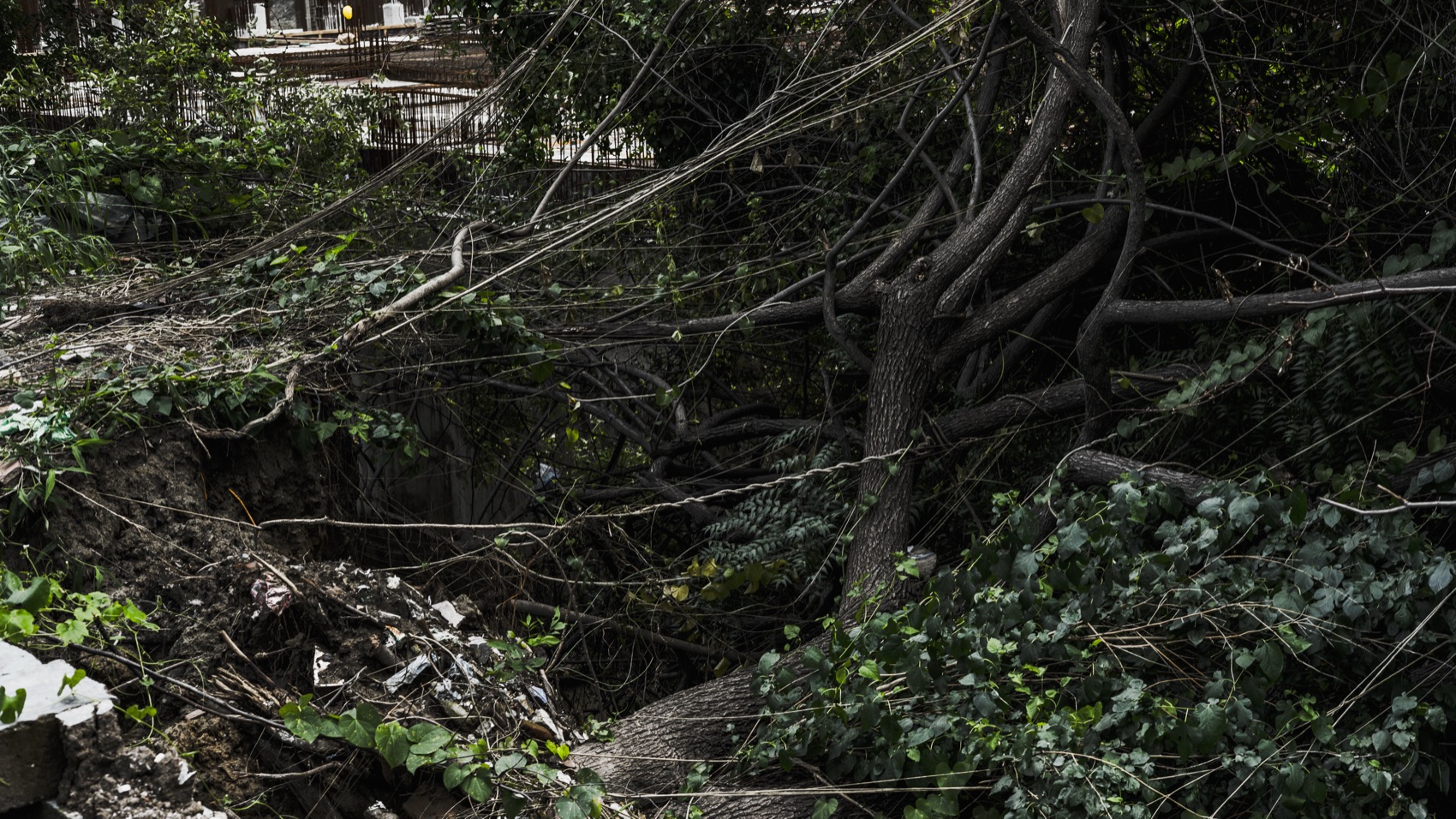
Hometown documents journeys between different versions of what India is becoming. They became visible as such only when the people who gave those places their meaning began to disappear from them.